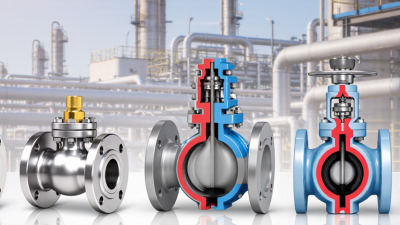
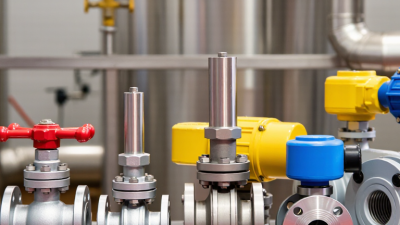
China Top 10 Flow Control Valve Manufacturers
Choosing a reliable valve supplier involves more than comparing catalog prices. China’s flow control industry includes manufacturers serving water treatment, chemical processing, energy, HVAC, and general industrial systems. This guide introduces ten manufacturers and outlines practical points buyers can use when evaluating them. The comparison considers product range, materials, actuation options, production capabilities, and available technical support. These details matter. A stainless-steel valve may suit one process but prove unsuitable for another because of fluid chemistry, temperature, or pressure.
Specifications deserve careful attention. Check connection types, pressure ratings, control accuracy, and compatibility with the intended medium. Ask whether the supplier can provide drawings, inspection records, or test documentation for the selected model. Certifications and quality claims should be verified against current product documents rather than accepted from marketing language alone. Lead times, spare-part access, and communication after delivery can also affect a project’s long-term cost. A lower quotation is not always the better choice. Sometimes, the comparison is imperfect because public information varies between manufacturers; buyers should confirm critical details directly before ordering. The companies featured here offer a starting point, not a universal ranking. Matching a manufacturer’s strengths to your operating conditions is the more dependable way to shortlist options.
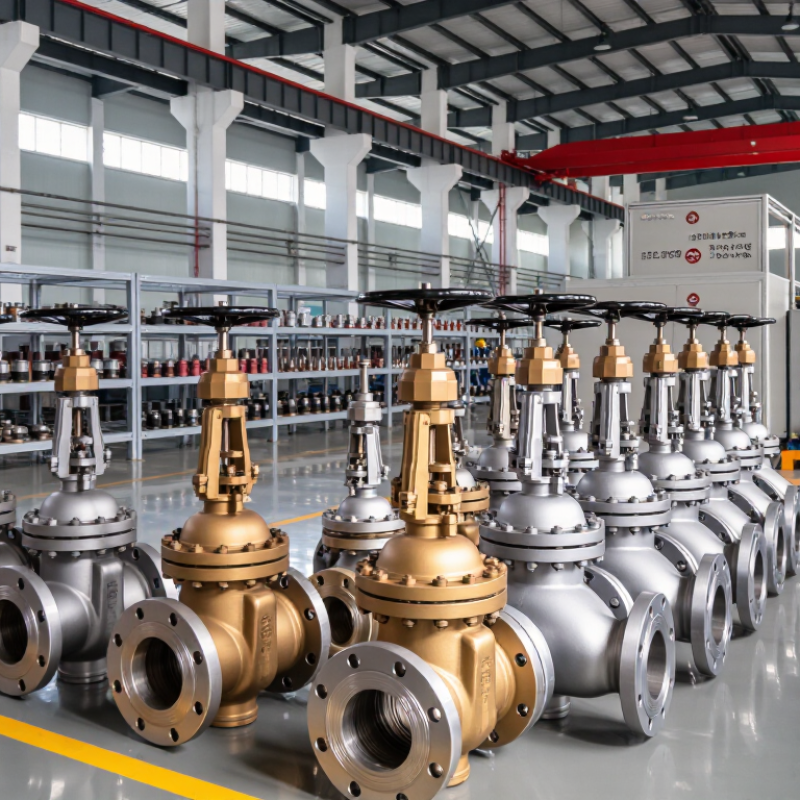
Control Valve Fundamentals: Cv, Rangeability and IEC 60534 Sizing
China Top 10 Flow Control Valve Manufacturers
Control Valve Fundamentals: Cv, Rangeability and IEC 60534 Sizing
Cv expresses a valve’s flow capacity. In US customary units, it is the water flow in gallons per minute at 60°F that creates a one-psi pressure drop. A larger Cv can pass more flow, but it does not guarantee stable control. Rangeability compares the maximum controllable flow with the minimum controllable flow. The useful range in a real installation may be narrower than the rated figure.
Tips: Gather normal, minimum, and peak flow data before selecting a valve. Check inlet pressure, outlet pressure, temperature, fluid properties, and pipe size. Small details matter. Avoid choosing a valve only from its nominal diameter.
IEC 60534 sizing methods use flow conditions and correction factors to estimate required capacity. Liquid and gas services require different calculations, and pressure recovery can affect whether liquid flow becomes choked. Then compare the calculated Cv with the valve’s published capacity and review its characteristic across the expected operating range. Field data can be incomplete; that is worth admitting. Recheck assumptions with process measurements, especially when the valve will spend long periods near its minimum flow.
How Manufacturers Compare: DN Size, PN Rating, Materials and Certifications
A useful comparison begins with DN size, but a matching nominal diameter does not guarantee a matching flow path. Check the published flow data and connection dimensions against the actual pipework. DN50 may fit the line, yet a different internal bore can change pressure loss. Details matter. Ask manufacturers to state available DN ranges and explain any limits on trim or actuator options.
PN rating also needs context. It is a nominal pressure designation, not a promise of equal performance at every temperature. Compare the valve’s pressure-temperature data with the operating conditions, especially for hot water, steam, or cycling service. Material selection should reflect the fluid and environment: stainless steel may suit some corrosive duties, while ductile iron can be appropriate in other systems. Neither choice is universal. Request material specifications, inspection records, and certificates that identify the relevant model and components. A broad catalog can still have gaps, and paperwork may cover only a product family. I would verify those details before comparing price; this step is easy to rush.
China’s Top 10 Flow Control Valve Manufacturers: Products and Capabilities
China’s top flow-control valve manufacturers compete on more than catalog size. Their product ranges commonly cover globe and butterfly control valves, pressure-reducing units, actuators, and positioners. For water, steam, or corrosive service, materials and seals must suit operating temperature, pressure, and fluid conditions. Fit matters more.
Grand View Research’s 2024 Industrial Valves Market report estimated the global market at USD 76.4 billion in 2023, with a projected 4.8% compound annual growth rate through 2030. This covers industrial valves broadly, not flow-control valves alone, so it is useful context rather than a direct measure of this segment. When comparing ten Chinese suppliers, check flow coefficients, leakage ratings, pressure-temperature limits, actuator response, and documented factory tests. Ask for test conditions; a performance curve without them can mislead. Machining consistency and calibration equipment also reveal practical capability.
Tips: Match the valve trim and actuator to your actual operating range. Request material certificates, test records, and spare-part details before comparing quotations. Do not rely on catalog claims alone.
Quality Benchmarks: ISO 5208 Leakage Tests and API 598 Inspection
China Top 10 Flow Control Valve Manufacturers
Quality Benchmarks: ISO 5208 Leakage Tests and API 598 Inspection
For buyers comparing flow control valves, leakage test records offer more than a pass-or-fail result. ISO 5208 defines pressure testing and leakage-rate criteria for industrial valves. API 598 covers inspection and testing, including shell and closure tests where applicable. These standards are related, but they are not interchangeable. Confirm the required standard, edition, valve type, and acceptance criteria in the purchase specification. Numbers matter.
On the test bench, inspectors should verify the valve identification, test medium, pressure, and hold time. A calibrated gauge and a clear record help make results repeatable. Closure leakage limits can vary by standard, test method, and valve design, so avoid relying on a generic “zero leakage” claim. It is easy to treat paperwork as routine. That is a mistake. Missing test details can make a valid result difficult to verify, even when the valve appears sound.
Tips: Ask for traceable test reports. Check that the reported pressure and leakage limit match your specification. If something is unclear, ask before shipment—not after installation.
Selecting a Valve: Pressure, Temperature, Media and Control Requirements
China Top 10 Flow Control Valve Manufacturers
Selecting a Valve: Pressure, Temperature, Media and Control Requirements
A flow control valve should match the actual process, not just the pipe size. Record normal and peak pressure, including the pressure difference across the valve. Check the pressure rating at operating temperature; ratings can change as temperatures rise. Leave room for transient conditions, such as a pump starting or a line closing quickly. Small details matter.
Temperature and media determine which body, trim, and seal materials are suitable. Confirm chemical compatibility using the fluid’s concentration and operating conditions, not its name alone. For hot, flashing, or particle-laden service, ask how the valve may wear or behave. A brief compatibility chart may not tell the whole story. That is worth checking.
Control needs shape the final choice. Estimate required flow across the operating range, then review rangeability, pressure drop, actuator response, and signal type. An oversized valve may hunt near low flow; an undersized one may restrict capacity. Specify the intended fail position and available instrument air or power. If process data are incomplete, mark assumptions clearly and revisit them after measurement. A neat specification can still rest on shaky numbers.
Valve Selection: Water Temperature and Saturation Pressure
Water’s saturation pressure rises as temperature increases. When selecting a valve, compare operating pressure with the fluid’s vapor pressure, then confirm the valve’s pressure and temperature ratings, material compatibility with the media, and required control performance. Values shown are approximate absolute saturation pressures for pure water.
 skip to Main Content