skip to Main Content
In industrial systems, flow control governs how liquids, gases, steam, and slurries move through equipment. A small valve adjustment can protect a pump, stabilize a reactor, or prevent production delays. Operators see this in practical moments: pressure gauges settle, pipelines stop vibrating, and tanks fill at predictable rates. These details show why flow control is more than a technical setting.
Reliable flow control supports safety, product quality, energy efficiency, and equipment life. In a water-treatment plant, accurate dosing can maintain chemical concentration within a narrow operating range. In food-processing lines, steady flow helps preserve consistent temperature and texture. In refineries, chemical plants, and power stations, sensors and control valves respond to changing conditions. Experienced engineers also review calibration records, maintenance history, and real operating data before trusting an automated loop. Specifications alone are not enough.
Yet no control strategy is perfect. Sensors drift. Valves stick. Human decisions can become rushed during alarms. That matters. A system may appear stable while a blocked line quietly increases pump load. Responsible design combines instrumentation, clear procedures, trained personnel, and regular testing. Industry standards and manufacturer guidance provide a strong foundation, but site conditions still require judgment. Even well-designed systems can reveal weaknesses after installation. Recognizing these limits makes flow control more reliable, not less. This article examines its practical role, benefits, common failures, and the decisions that help industrial systems operate safely and consistently.
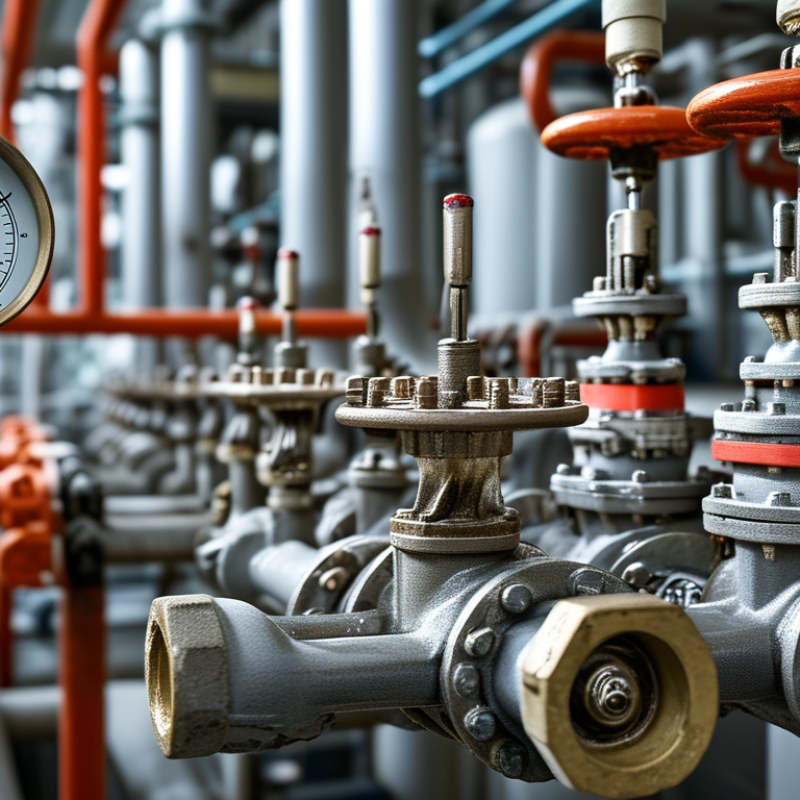
Flow control means regulating how liquids, gases, or slurries move through industrial equipment. It keeps flow rate, pressure, temperature, and level within safe operating limits. A control loop connects sensors, controllers, and valves. Together, they adjust the process when conditions change. The U.S. Department of Energy’s Improving Pumping System Performance reports that pumping systems can consume 25% to 50% of a facility’s electricity in some operations. Small control errors can therefore create large energy losses.
In a chemical line, excessive flow may damage seals, overflow a vessel, or reduce product quality. Insufficient flow can overheat a pump and interrupt production. Flow control also supports stable heat transfer and accurate dosing. The International Energy Agency’s Energy Efficiency 2023 report estimates that industry used about 37% of global final energy in 2022. Better control cannot remove every loss, but it can reduce avoidable demand at the equipment level.
Reliable control begins with correct measurement. A clean dashboard is not enough. Sensors may drift, valves may stick, and operators may trust old settings for too long. Practical teams compare instrument readings with physical conditions, such as pipe vibration, unusual noise, or a rising motor temperature. The ISA-95 framework also shows why process data must connect clearly with supervisory and production systems. Yet real plants are rarely perfect. A well-designed loop still needs inspection, calibration, and human judgment.
Why Is Flow Control Important in Industrial Systems?
How Flow Control Maintains Stable Industrial Operations
Stable flow control keeps industrial processes predictable, safe, and efficient. In a processing line, a small pressure change can alter temperature, product quality, or equipment loading. A control valve, flow meter, and automated controller work together to maintain the required rate. Operators can then respond before a minor deviation becomes a production stoppage.
In practical commissioning work, engineers often compare instrument readings with manual measurements. This simple check can reveal clogged impulse lines, air pockets, or sensor drift. A pump may appear healthy while its discharge flow slowly falls. That decline can increase energy use and reduce output. Regular calibration, sensible alarm limits, and gradual valve adjustments help the system remain stable. Fast correction is not always better.
Flow control also protects equipment. Excessive flow can cause vibration, erosion, and sudden pressure loss. Insufficient flow may overheat pumps, damage seals, or leave heat exchangers underperforming. Operators should review trends rather than trust one instant reading. A stable screen can hide a problem developing over several hours.
No control loop is perfect. Weather, raw material changes, and maintenance errors can disturb even a well-designed system. I have seen teams focus heavily on automation while overlooking a loose connection or a poorly positioned sensor. That is a useful warning. Reliable operation depends on accurate instruments, trained people, documented procedures, and regular questioning of unexpected data.
Flow control maintains stable industrial operations by keeping process flow close to its target when demand and operating conditions change.
The chart compares measured flow against a 100 m³/h setpoint during a representative process disturbance. Feedback control limits flow fluctuations, helping protect equipment, maintain product consistency, reduce energy waste, and prevent unstable operation.
Why Is Flow Control Important in Industrial Systems?
Why Accurate Flow Regulation Improves Safety and Efficiency
Accurate flow regulation keeps industrial processes stable, predictable, and easier to monitor. A small flow error can change temperature, pressure, mixing quality, or production timing. In chemical processing, uneven flow may create overheating near a reactor wall. In water treatment, excessive flow can reduce contact time and weaken treatment results. These details matter during every shift.
Reliable control begins with suitable sensors, correctly sized valves, and regular calibration. Operators should compare instrument readings with physical conditions, such as pipe vibration, unusual noise, or a sudden pressure change. Good systems also use alarms before a minor deviation becomes a serious shutdown. Engineers should review trends, not only respond to individual readings. However, no system is perfect. Sensor drift, blocked strainers, and rushed maintenance can still produce misleading data.
Tips: Check calibration records. Inspect valves for sticking. Watch flow trends daily. Test alarms under controlled conditions. Record unusual changes.
Clear procedures improve safety, but practical experience remains important. A technician may notice a pulsing pipe before software detects instability. Teams should invite those observations and investigate them carefully. Accurate flow control also reduces wasted energy, rejected product, and unnecessary pump wear. Sometimes, improving one control loop requires questioning an older operating habit. That can feel inconvenient, but it often reveals the real source of inefficiency.
Flow control is used across industrial processes to keep liquids, gases, and slurries moving at the right speed. It supports stable production, safer equipment, and consistent product quality. The wrong flow rate can cause pressure surges, uneven mixing, or damaged pumps.
In water treatment plants, control valves regulate raw water, chemicals, and filtered water. Operators adjust flow as tanks fill and demand changes. In chemical processing, accurate control protects reaction temperatures and prevents excessive pressure. Small changes matter. A slight dosing error may affect an entire production batch.
Food and beverage facilities use flow control during cleaning, blending, heating, and filling. Sanitary pipework must maintain steady movement without trapping residue. In power plants, flow systems manage cooling water, steam, and fuel. Heating and cooling networks in large buildings also depend on balanced circulation. Mining operations use flow control for slurry transport, separation, and dust suppression.
Reliable performance requires more than installing a valve. Sensors need regular calibration, and operators must understand changing process conditions. Field technicians often inspect vibration, noise, and unusual pressure readings before failure occurs. A quiet pipe is not always a healthy pipe. Some systems still rely too heavily on fixed settings, which can waste energy when demand shifts. Better monitoring can reveal that weakness, although implementation is not always simple. Safety procedures, maintenance records, and careful commissioning remain essential across every application.
| Industrial Process | Typical Flow-Control Application | Main Variable Controlled | Common Measurement Technologies | Common Control Equipment | Why Flow Control Is Important | Typical Risk When Flow Is Uncontrolled |
|---|---|---|---|---|---|---|
| Water and Wastewater Treatment | Regulating raw-water intake, chemical dosing, aeration flow, filtration flow, and treated-water discharge. | Liquid flow rate Tank level Pressure | Magnetic flow meters for conductive liquids, ultrasonic meters, pressure transmitters, and level transmitters. | Modulating control valves, variable-frequency pump drives, dosing pumps, and programmable control systems. | Maintains treatment contact time, supports consistent chemical concentration, prevents hydraulic overload, and helps meet discharge requirements. | Insufficient treatment, chemical overuse, filter damage, flooding, or non-compliant effluent quality. |
| Chemical Processing | Controlling reactant feed, solvent circulation, cooling-water flow, steam flow, and product transfer. | Mass flow Temperature Pressure Composition | Coriolis meters for direct mass flow, differential-pressure meters, vortex meters, and temperature transmitters. | Control valves, metering pumps, flow controllers, pressure regulators, and automated interlocks. | Preserves recipe accuracy, reaction stoichiometry, heat balance, product quality, and operating safety. | Off-specification product, excessive reaction heat, unsafe pressure rise, equipment corrosion, or hazardous releases. |
| Oil and Gas Production | Managing multiphase production, water injection, gas compression, separation, metering, and pipeline transport. | Oil flow Gas flow Water cut Pressure | Coriolis meters, ultrasonic meters, differential-pressure meters, turbine meters, and multiphase flow meters. | Choke valves, control valves, pump controls, compressor controls, and emergency shutdown systems. | Balances production capacity, protects pipelines and rotating equipment, supports custody measurement, and maintains separator performance. | Slugging, excessive pressure drop, inaccurate allocation, compressor surge, pipeline damage, or process instability. |
| Food and Beverage Processing | Controlling ingredient dosing, liquid transfer, pasteurization flow, cleaning-in-place circuits, and filling operations. | Flow rate Temperature Batch quantity | Magnetic flow meters, Coriolis meters, sanitary positive-displacement meters, and temperature sensors. | Sanitary control valves, hygienic pumps, dosing systems, and automated batch controllers. | Ensures recipe consistency, accurate portioning, hygienic operation, adequate thermal treatment, and efficient cleaning. | Inconsistent product quality, insufficient pasteurization, contamination risk, product loss, or excessive water and chemical use. |
| Power Generation | Controlling boiler feedwater, cooling-water circulation, fuel gas, steam distribution, and condensate return. | Water flow Steam flow Fuel flow Pressure | Vortex meters for steam, differential-pressure meters, ultrasonic meters, magnetic meters, and pressure transmitters. | Feedwater control valves, boiler control systems, pump speed controls, and turbine governing systems. | Maintains combustion balance, boiler water level, heat-transfer efficiency, turbine performance, and grid-support reliability. | Boiler tube overheating, poor combustion, turbine damage, reduced efficiency, unstable generation, or forced shutdown. |
| Pulp and Paper Manufacturing | Regulating stock consistency, water dilution, bleaching chemicals, coating liquids, and steam used in drying. | Pulp flow Consistency Moisture Steam flow | Magnetic flow meters, consistency transmitters, differential-pressure meters, and steam flow meters. | Control valves, stock pumps, dilution-water valves, and distributed control systems. | Supports uniform basis weight, moisture control, fiber distribution, chemical efficiency, and stable machine operation. | Uneven paper quality, web breaks, excessive chemical consumption, energy waste, or production interruptions. |
| Pharmaceutical Manufacturing | Controlling purified-water circulation, solvent transfer, buffer preparation, formulation, and sterile process lines. | Mass flow Batch volume Pressure Temperature | Coriolis meters, sanitary magnetic meters, mass flow controllers, pressure transmitters, and temperature sensors. | Hygienic diaphragm valves, metering pumps, automated batching systems, and validated control loops. | Provides accurate formulation, repeatable batches, hygienic processing, traceability, and protection of critical product attributes. | Batch rejection, cross-contamination, incorrect concentration, microbial risk, or failure to meet quality requirements. |
| Heating, Ventilation, and Air Conditioning | Balancing chilled-water, hot-water, condenser-water, and air flows in industrial and commercial facilities. | Water flow Air flow Differential pressure Temperature | Ultrasonic meters, thermal mass flow meters, differential-pressure sensors, and airflow stations. | Two-way and three-way control valves, variable-frequency drives, dampers, and building automation systems. | Maintains thermal comfort, protects heat exchangers, controls humidity, improves energy efficiency, and supports cleanroom pressure control. | Uneven temperatures, coil freezing, excessive energy consumption, poor indoor air quality, or loss of pressure relationships. |
Poor flow control rarely announces itself. A pump may run loudly, while operators blame the motor. In reality, unstable flow can cause cavitation, vibration, and seal damage. A partially closed valve may also increase pressure losses and energy use. These stresses accumulate around elbows, filters, heat exchangers, and narrow passages. Small deviations become expensive failures.
In plant inspections, technicians often find production quality changing before equipment stops. Uneven cooling flow can leave one side of a vessel hotter than the other. This may create inconsistent viscosity, moisture, or reaction conditions. A batch can pass one hour and drift the next. Poor control also causes frequent starts and stops, shortening motor and actuator life. The damage is not always visible.
Reliable control requires more than installing a flow meter. Teams should compare actual flow with design conditions, then check pressure, temperature, valve position, and filter cleanliness. Trend data can reveal a slow restriction before an alarm appears. Calibration matters, but it is sometimes treated as paperwork instead of protection. That is a mistake. Still, measurements can mislead when sensors sit too close to turbulence. Operators need clear alarm limits and practical inspection routines. A rushed adjustment may restore output today, but create hidden wear tomorrow.