7 Best Control Flow Valves for Global Buyers
Choosing the right control flow valve is no longer a simple catalog exercise. Global buyers must balance pressure, temperature, fluid chemistry, maintenance access, and lifecycle cost. A valve may look excellent on paper, yet perform poorly beside abrasive slurry or rapidly changing steam loads. No ranking is perfect.
Grand View Research estimates that the global industrial valves market was worth more than USD 75 billion in 2023. Its forecast also indicates steady growth through 2030, driven by water treatment, energy, chemicals, and manufacturing. These figures show expanding demand, but they do not identify one universal winner. Application details still matter more than market size.
Engineering standards provide a stronger comparison point. IEC 60534 and ISA-75 address control valve sizing, testing, and performance evaluation. The U.S. Department of Energy also reports that industrial pumping systems can represent a significant share of facility electricity use. Poor valve selection may therefore increase throttling losses, noise, vibration, and unnecessary maintenance. Small errors become expensive.
This guide examines seven widely used valve options for global buyers. It considers globe, ball, butterfly, rotary plug, diaphragm, pinch, and angle valves. Each option has practical strengths. Each has limitations. A globe valve may deliver precise regulation, while a butterfly valve can reduce installation weight and cost. A pinch valve may protect sensitive solids, but elastomer wear deserves attention. Product data sheets alone are insufficient.
The comparison focuses on measurable criteria: rangeability, leakage performance, pressure drop, materials, actuator compatibility, certification, spare-part access, and supplier support. Buyers should verify real operating conditions before ordering. That step is often missed. The best choice is not always the cheapest valve. It is the valve that performs reliably, safely, and efficiently across its expected service life.
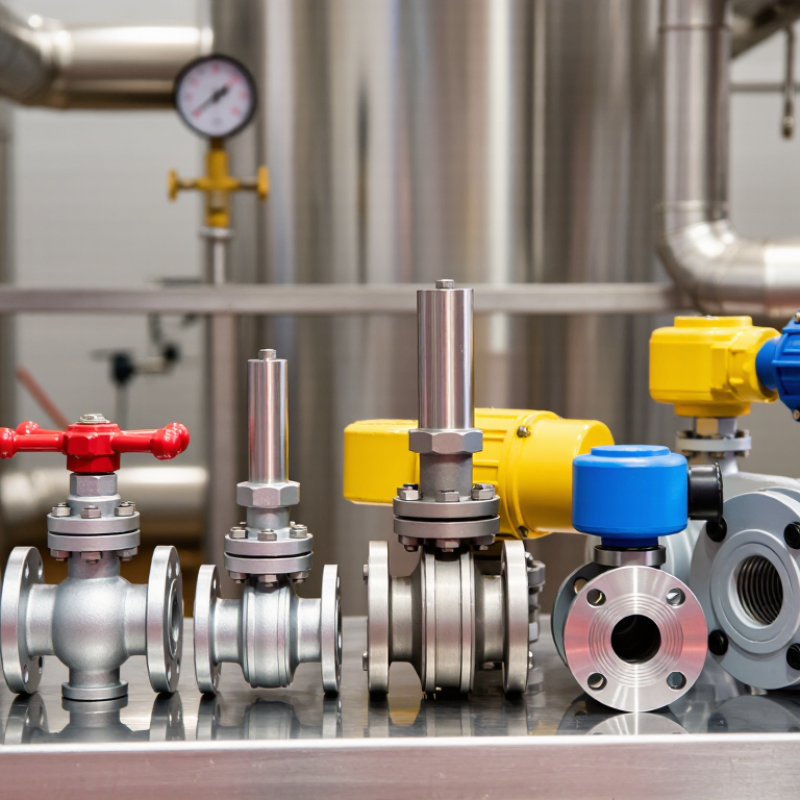
What Control Flow Valves Are and How They Regulate Industrial Systems
What Control Flow Valves Are and How They Regulate Industrial Systems
Control flow valves adjust liquid, gas, or steam flow inside industrial piping. A controller compares the measured condition with the target value. It then moves the valve actuator. This regulates pressure, temperature, level, or flow rate. Small movements can protect pumps, heaters, and downstream equipment.
According to Fortune Business Insights, the global control valve market was valued at approximately USD 7.14 billion in 2023. The same report projects continued growth through 2032, driven by process automation and energy infrastructure. These figures show strong demand, but market growth does not guarantee a suitable valve. Media type, pressure class, temperature, response speed, and maintenance access still matter more.
The valve body creates the flow path. The trim determines how the flow changes. Linear trims often suit steady throttling, while rotary designs can reduce space and weight. IEC 60534 and ISA-75 standards provide testing and sizing references. However, calculations can miss real operating behavior. Dirty fluids clog small passages. Oversized valves may hunt near low demand. That mistake is common. Global buyers should check actual operating ranges, fail-safe action, actuator air quality, and spare-part availability. A reliable specification includes normal, minimum, and maximum conditions, not one convenient number.
Seven Leading Control Flow Valve Designs for Global Buyers
Global buyers need control flow valves that match the medium, pressure, temperature, and operating cycle. The strongest choice depends on the process, not appearance.
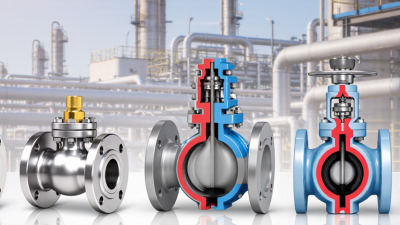
Globe valves provide precise throttling for steam, water, and chemical lines.
Ball valves offer tight shutoff and low pressure loss.
Butterfly valves reduce weight and installation space in large pipelines.
Plug valves handle dirty fluids with simple quarter-turn operation.
These four designs suit different plant conditions.
Diaphragm valves isolate the process fluid from moving parts, supporting hygienic or corrosive applications.
Pinch valves protect sensitive slurries and abrasive materials through a flexible sleeve.
Eccentric rotary valves deliver strong control in demanding pressure services.
That makes seven leading control flow valve designs for global buyers.
During sourcing, verify pressure-test records, material certificates, actuator data, and replacement-part access. Ask for clear documentation. Check it carefully.
A valve rated for high pressure may still perform poorly with severe cavitation or unstable flow. I have seen small sizing errors create noise, vibration, and premature seat wear.
Temperature changes can also alter seal performance. Actuator sizing deserves equal attention, especially where supply pressure varies. Do not trust a catalogue range alone.
A practical review should compare real operating conditions, maintenance skill, delivery limits, and inspection procedures. Sometimes, the cheapest valve creates the most expensive lesson.
How to Compare Valve Materials, Actuation, Accuracy, and Durability
7 Best Control Flow Valves for Global Buyers
How to Compare Valve Materials, Actuation, Accuracy, and Durability
Choosing among globe, ball, butterfly, diaphragm, plug, needle, and pinch valves requires more than comparing prices. Globe valves offer precise throttling, while ball and butterfly valves provide efficient flow control with lower pressure loss. Needle valves suit fine adjustment in small lines. Diaphragm and pinch valves protect sensitive fluids from metal contact. Plug valves handle demanding rotary service when proper sealing is maintained.
Material selection should match the medium, temperature, pressure, and installation environment. Stainless steel resists corrosion, but it may be excessive for clean, mild water systems. Carbon steel offers strength and value, yet exposed surfaces need reliable protection. Ductile iron can reduce costs, though it may perform poorly in severe chemical service. Seat materials, including engineered polymers and elastomers, can determine leakage performance more than the body material. This detail is often overlooked.
Actuation affects response speed, control accuracy, and maintenance effort. Pneumatic actuators respond quickly and suit hazardous areas when correctly specified. Electric actuators support accurate positioning and useful feedback, but power quality matters. Manual operation remains practical for simple isolation, not continuous modulation. For accurate control, check rangeability, hysteresis, deadband, and positioner resolution. Durability depends on cycling frequency, abrasive particles, corrosion, and correct sizing. A valve that is too large may hunt and wear prematurely. A valve that is too small may create noise and excessive pressure loss. Field inspection records are valuable, but they are not perfect; real operating data should challenge the original specification.
International Purchasing Factors: Standards, Suppliers, and Total Cost
7 Best Control Flow Valves for Global Buyers
International Purchasing Factors: Standards, Suppliers, and Total Cost
Global buyers should compare seven common control valve types: globe, ball, butterfly, diaphragm, plug, needle, and angle valves. Globe valves offer precise throttling, while ball valves suit fast isolation and moderate control. Butterfly valves reduce weight and shipping costs for large pipelines. Diaphragm valves help protect clean or corrosive media. Needle valves handle fine adjustment. Plug and angle valves can serve specialized layouts. The best choice depends on pressure, temperature, fluid behavior, maintenance access, and control accuracy.
Check documentation before comparing prices. Request material certificates, pressure-test records, flow coefficients, drawings, and traceability data. Confirm that the supplier can meet relevant ISO, IEC, ASME, or regional requirements. Standards are not interchangeable automatically. A supplier may provide compliant components but incomplete project documents. That gap can delay customs clearance, installation, or commissioning. Total cost includes actuators, controllers, spare seals, inspection, freight, duties, energy use, and downtime. A cheaper valve can become expensive after repeated maintenance.
Tips: Build a technical comparison sheet with identical operating conditions. Ask for at least two reference projects in similar industries. Review warranty exclusions carefully. Do not select by purchase price alone. I would also challenge my own assumptions: laboratory flow data may not match an aging site pipe. Supplier responsiveness matters, but it is not proof of engineering quality. Use independent inspection for critical orders, and keep approval records for every change.
7 Best Control Flow Valves for Global Buyers
International Purchasing Factors: Standards, Suppliers, and Total Cost
The chart compares seven widely used control-valve types by the number of commonly referenced international standards in a typical procurement specification. References include IEC 60534, ASME B16.34, API 598, API 599, API 609, API 6D, ISO 5208, and IEC 60534-4. A higher count does not mean better performance; buyers should also evaluate pressure class, materials, actuator requirements, spare parts, certification, freight, installation, and lifecycle maintenance when calculating total cost.
 skip to Main Content