Why Are Pressure Control Valves Important?
Why are pressure control valves important? Because stable pressure protects equipment, improves process consistency, and supports safer daily operations. Pressure control valves regulate fluid or gas as conditions change. They respond when demand rises, supply fluctuates, or downstream pressure drops. In a steam line, poor control can create noise, vibration, and damaging thermal stress. In a water system, unstable pressure may strain pumps, seals, and connected instruments. That impact is practical.
Béla G. Lipták, a widely cited instrumentation authority, wrote, “The control valve is the most common final control element.” His observation explains their central role. Pressure control valves convert measurement signals into physical action. They open, close, or adjust flow through a pipeline. Proper sizing remains essential. A valve that is too small may restrict capacity. An oversized valve can hunt, wear quickly, and respond poorly at low flow. Neither condition is ideal.
Field technicians also examine sensor location, actuator response, trim condition, and calibration records. A pressure gauge may look normal while a valve operates near its limit. Small details matter. Yet no valve solves every process problem. Incorrect piping, blocked sensing lines, or changing fluid properties can weaken performance. This is where engineering judgment becomes important. Reliable pressure control requires design data, commissioning checks, and regular maintenance. It also requires honest review of assumptions. A polished specification can still miss real operating behavior. Understanding these limits makes pressure control valves more valuable, not less.
What Are Pressure Control Valves?
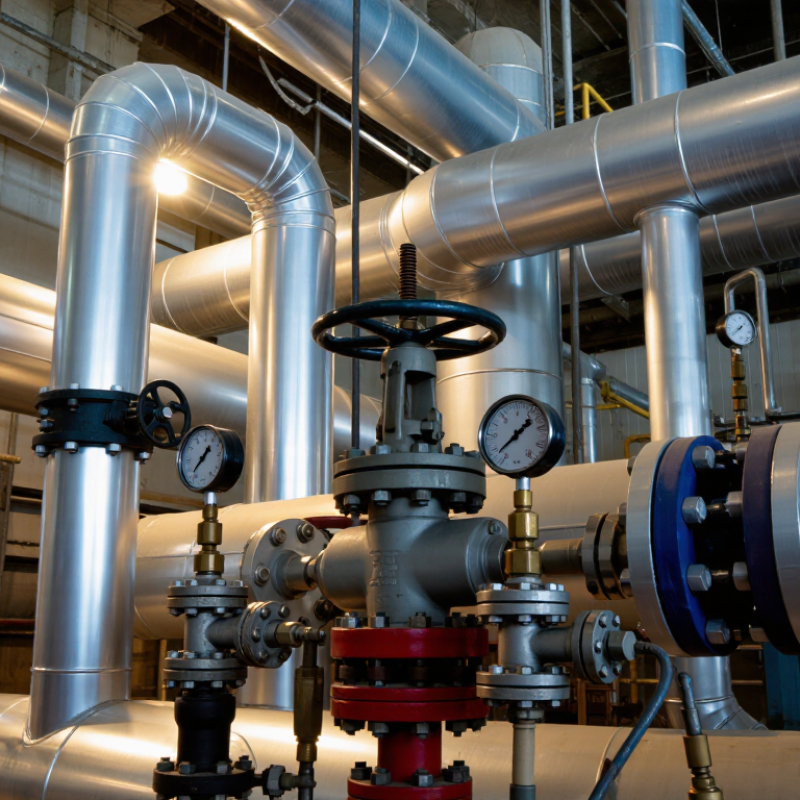
Pressure control valves regulate fluid pressure within a piping system. They respond when pressure rises or falls beyond a chosen range. This control protects pumps, pipes, gauges, and connected equipment from sudden stress. In water, air, steam, and hydraulic systems, the valve may reduce inlet pressure, maintain downstream pressure, or release excess pressure.
A typical valve uses a spring, diaphragm, piston, or pilot mechanism. These parts sense pressure and adjust the opening. For example, a pressure-reducing valve can keep a downstream line steady while supply pressure changes. Stable pressure improves process control and reduces leaks, vibration, and unnecessary energy use. During field inspections, technicians often check the adjustment setting, flow direction, seals, and nearby pressure readings. A valve can look clean but still respond slowly. That detail is easy to miss.
Tips: Install a gauge before and after the valve. Confirm the expected flow rate and pressure range. Clean strainers regularly, especially in systems carrying particles. Never adjust the setting without checking equipment limits and safety procedures. Keep records of pressure readings; small changes may reveal wear earlier than visible damage. Some systems need a relief valve as backup, because one control valve should not carry every safety responsibility.
How Do Pressure Control Valves Work?
Pressure control valves work by sensing pressure and adjusting flow. Their role is simple, but the physics is demanding. A spring, diaphragm, piston, or electronic sensor detects downstream pressure. When pressure rises above the set point, the valve moves toward a closed position. When pressure falls, it opens wider. This continuous correction protects pipes, pumps, actuators, and process equipment from unstable operating conditions.
In practical systems, the valve creates a controlled pressure drop. The upstream side supplies energy, while the valve restricts flow to maintain a safer downstream level. Relief valves act differently. They remain closed during normal operation and open quickly when pressure becomes dangerous. Pilot-operated designs can improve accuracy in large systems, although dirty fluid may block small pilot passages. That detail is often underestimated.
The U.S. Department of Energy reports that compressed-air systems can consume about 10% of industrial electricity. Its technical guidance also indicates that lowering excessive discharge pressure may reduce energy use by roughly 1% for each 2 psi reduction, depending on system conditions. The International Energy Agency’s Energy Efficiency 2023 report identifies industry as responsible for about 37% of global final energy demand. These figures make pressure control more than a safety function; it can influence operating costs. However, valve sizing is not always perfect. Oversized valves may hunt between open and closed positions. Poor sensor placement can create delayed responses. Field testing, calibration records, and periodic inspection remain essential.
Why Are Pressure Control Valves Important?
Pressure control valves regulate fluid pressure by sensing downstream conditions and adjusting the valve opening. The chart shows a representative pressure-reducing valve configured for a 5 bar(g) downstream setpoint.
As inlet pressure increases, the valve throttles flow to keep downstream pressure close to the setpoint. This helps protect equipment, stabilize process conditions, reduce leakage and prevent pressure-related failures. Actual performance depends on valve size, fluid properties, flow rate and control settings.
What Are the Main Types of Pressure Control Valves?
Pressure control valves protect systems from unstable pressure, equipment damage, and wasted energy. Their importance becomes clearer when pressure changes rapidly inside pipes, pumps, or pneumatic tools. The U.S. Department of Energy reports that compressed-air leaks can waste 20–30% of compressor output in many industrial systems. Poor pressure control can increase that loss.
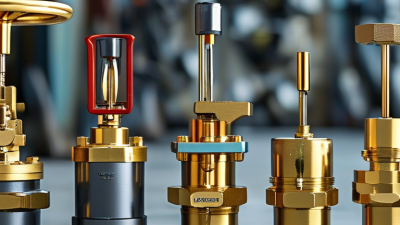
The main types serve different operating needs. Pressure relief valves open when pressure exceeds a safe limit, releasing fluid before equipment suffers damage. Pressure reducing valves lower inlet pressure and maintain a steadier downstream level. Backpressure valves control upstream pressure by opening when it rises above a set point. Counterbalance valves help manage hydraulic loads, especially when a suspended load must not drop suddenly. Sequence valves allow one hydraulic action to happen before another.
There are also proportional and pilot-operated designs. Proportional valves adjust pressure gradually, while pilot-operated valves use a smaller control signal to manage higher flow rates. The boundary between these categories is not always clean. A valve may combine several functions in one assembly. According to the International Energy Agency’s Energy Efficiency 2023 report, industry remains a major global energy consumer, making small control losses worth examining. Selection should consider fluid type, temperature, response time, set pressure, and maintenance access. A technically correct valve can still perform poorly when installation conditions are ignored.
Why Are Pressure Control Valves Important for System Safety?
Pressure control valves are essential for system safety because they keep operating pressure within a defined range.
In steam, gas, and hydraulic systems, excessive pressure can damage pipes, seals, pumps, and connected equipment. A sudden pressure spike may rupture a hose or release hot fluid near workers.
The danger is not always dramatic. Small leaks can gradually weaken fittings and create unsafe working conditions. A properly selected valve limits these risks and helps operators maintain stable process conditions.
Safe performance begins with correct sizing and accurate pressure settings.
Engineers must consider flow rate, temperature, inlet pressure, outlet pressure, and possible failure conditions. A pressure gauge should be visible and installed where operators can read it without entering a hazardous area. Relief protection should remain available; a control valve is not a replacement for every safety device.
During inspections, technicians should check for corrosion, blocked sensing lines, damaged seals, and unusual vibration. A valve may look functional while responding too slowly. That mistake is easy.
Material selection also affects reliability.
Corrosive fluids, high temperatures, and dirty media can shorten service life. Maintenance teams should test valve movement, verify setpoints, and record changes after every adjustment.
A mechanically sound valve can still be unsafe if installed backward or isolated from its sensing point. Training matters. Operators need clear instructions for abnormal pressure, manual isolation, and emergency shutdown. In practice, even experienced teams can overlook small details, so reviewing real operating conditions remains necessary.
How Should Pressure Control Valves Be Selected and Maintained?
Pressure control valves protect piping, equipment, and operators from unstable or excessive pressure. Correct selection begins with the process conditions, not the valve size alone. Identify the fluid, normal pressure, maximum pressure, temperature, flow rate, and required pressure drop. A valve handling steam needs different materials and seals than one handling clean water or corrosive chemicals.
Choose a pressure range that matches the operating point without leaving the valve nearly closed. Oversized valves may hunt, while undersized valves can restrict flow and wear quickly. Check connection standards, body materials, actuator response, and the required failure position. Spring-return designs may provide safer behavior during power or signal loss. Small errors matter. A final review by a qualified engineer can reveal assumptions that a catalog selection misses.
Maintenance should include visual inspections, leak checks, pressure-gauge comparison, and functional testing at planned intervals. Remove dirt from sensing lines and confirm that impulse tubing is not blocked, kinked, or vibrating against nearby metal. Verify the set pressure with calibrated equipment, then record the result, date, and technician’s observations. Keep it clean. Replace damaged seals and investigate repeated adjustments instead of treating them as normal. In practice, maintenance schedules often look precise but ignore water quality, vibration, or sudden load changes. That is a weakness worth correcting. Follow applicable codes, manufacturer instructions, and site safety procedures before isolation, testing, or disassembly.
 skip to Main Content