skip to Main Content

Who Are the Top Pressure Valve Manufacturers in China?

Choosing among China’s pressure valve manufacturers requires more than comparing catalog prices. A valve may look simple on a screen. On a plant floor, it must handle specified pressure, temperature, fluid, and operating cycles. Small differences in materials, machining, testing, and documentation can matter greatly.

Theodore von Kármán, an influential engineer, is widely credited with saying, “Scientists study the world as it is; engineers create the world that has never been.” That engineering perspective applies here: a pressure valve is not just a product, but part of a working system. Buyers should examine each manufacturer’s product range, quality controls, test records, customization capabilities, and experience with comparable applications. Ask how the company verifies performance, manages traceability, and supports customers after delivery. Request evidence, not just confident claims.

This guide explores leading Chinese manufacturers and the factors that can distinguish them. It considers product focus, manufacturing capability, certifications, export experience, and technical support. Rankings can help narrow a search, but they cannot replace application-specific review. A company suited to a standard industrial installation may not fit a demanding process. And a polished brochure proves little on its own. The right choice depends on the actual service conditions, project requirements, and the buyer’s verification process. No single list settles that question.
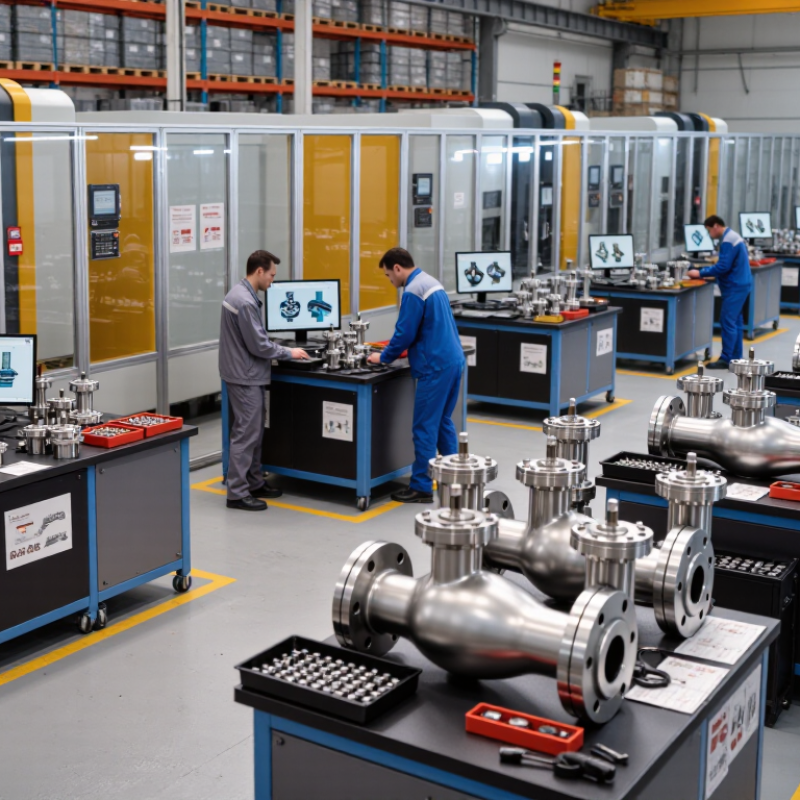
Who Are the Top Pressure Valve Manufacturers in China?

Pressure-Valve Types: Safety, Relief, and Pressure-Reducing Designs

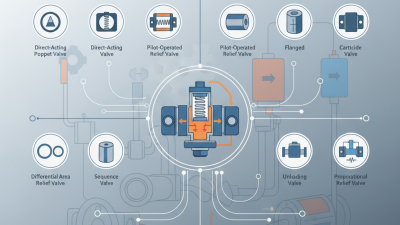
Pressure-valve types serve different purposes, even when their bodies look similar. Safety valves open at a set pressure to protect equipment from excessive buildup. Relief valves also release pressure, often in liquid systems, where flow conditions affect their response. Pressure-reducing valves work in the opposite direction: they lower incoming pressure and maintain a steadier downstream level. Small differences matter. A valve chosen by size alone may not match the medium, operating range, or required flow.

When comparing pressure-valve manufacturers in China, buyers can examine how clearly each supplier explains these design differences. Ask for pressure and temperature ranges, body and seat materials, test records, and guidance on sizing. For example, a valve serving a hot-water line needs materials and seals suited to that temperature, not simply a matching pipe connection. On a test sheet, check the set pressure and leakage results rather than relying on a broad performance claim. Documentation helps, but it does not replace application-specific review. I would also revisit the expected operating conditions; they are easy to underestimate during early planning.

Top Chinese Manufacturers: Product Ranges, Certifications, and Export Markets

China’s pressure valve manufacturers offer products for oil and gas, power generation, water treatment, and chemical processing. Common ranges include gate, globe, ball, butterfly, check, control, and pressure-relief valves. Buyers should compare pressure class, body material, trim, end connections, and operating temperature—not just nominal size. Small details matter. A valve rated for one service may not suit another.

Certifications and export experience vary by factory and product line. Some suppliers maintain ISO 9001 quality systems, while particular valve designs may carry API or other industry approvals. Verify the certificate’s issuing body, validity, covered facility, and exact product scope. Export destinations can include markets across Asia, the Middle East, Europe, and the Americas, but shipping history alone does not prove technical suitability. Catalogs can look reassuringly similar; that is where I would slow down.

Tips: Request a datasheet, material traceability records, pressure-test reports, and clear photographs of nameplates. Ask who performs testing and whether inspection records match the quoted model. Check samples or arrange an independent inspection when project risk justifies it. A neat certificate is useful, but the details deserve a second look.

GB/T 12243-2021: China’s Safety-Valve Design and Test Requirements

Who are the top pressure valve manufacturers in China? A useful starting point is how closely their safety valves are designed and tested against GB/T 12243-2021. The standard provides a technical basis for evaluating spring-loaded safety valves, including design, performance, inspection, and testing. Buyers should check the applicable edition and confirm that the valve type and operating conditions fall within its scope.

Look beyond a catalogue claim. Ask for documented set-pressure tests, sealing results, and evidence that the valve’s discharge capacity suits the system. A test bench reading is only meaningful when the test method and instrument calibration are recorded. Details matter. Clear markings, traceable inspection records, and consistent production checks also help engineers assess reliability. In practice, compare the test documentation with the valve’s nameplate and the project’s pressure and temperature data. A neat certificate can still leave questions unanswered, and I would want those questions resolved before installation. GB/T 12243-2021 is a useful reference, but it does not replace application-specific engineering review or verification of the current official text.

API 526: Standardized Pressure-Relief Valve Orifice Designations D–T

For anyone comparing pressure valve manufacturers in China, API 526 provides a practical reference for pressure-relief valve orifice sizes. Its D–T designations identify standardized effective flow areas. They do not describe the valve’s inlet or outlet connection size. A larger designation generally means more available orifice area, but that alone does not confirm suitability.

Engineers use the required relieving capacity, set pressure, fluid, temperature, and backpressure to narrow the selection. Then they check certified capacity and the valve’s materials and connection dimensions. A D orifice may suit a smaller duty; a larger case could call for an R or T. Those letters are not interchangeable guesses. Actual sizing requires sound process data, and a designation is only a starting point. It is easy to overlook installation details when comparing catalog tables.

Tips: Match the required capacity to the certified rating, then verify dimensions and service conditions. Keep the sizing assumptions with the equipment record. One detail can change the choice.

API 526 Standardized Pressure-Relief Valve Orifice Areas (D–T)

API 526 assigns standardized letter designations to pressure-relief valve orifices. The chart shows their nominal effective areas in square inches; actual valve capacity depends on operating conditions and the applicable sizing calculations.

API 520 Sizing: Check Set Pressure, Discharge Capacity, and Overpressure

API 520 sizing starts with the pressure relief scenario, not a valve catalogue. Confirm the protected equipment’s maximum allowable working pressure and the required set pressure. The set pressure must suit the equipment and applicable design basis. A small mismatch can change when the valve opens. Check the governing overpressure allowance for each credible case; fire exposure and blocked outlets may require different assumptions. Details matter.

Discharge capacity is calculated at relieving conditions, not ordinary operating pressure. Gather fluid phase, temperature, molecular weight or density, and the expected relieving pressure. Then account for certified capacity factors and backpressure where applicable. For a gas service, even a modest change in temperature or backpressure can affect the required orifice area. For liquids, viscosity and flashing behavior deserve careful review. Don’t force uncertain data into a neat spreadsheet.

A practical check compares required capacity with the valve’s rated capacity under the selected scenario. Review inlet pressure loss, outlet piping, and the chosen overpressure basis as well. These checks are easy to rush. I would rather revisit one assumption than trust a clean-looking calculation with missing field data. Document the inputs, calculation method, and revisions so another engineer can reproduce the result.

Who Are the Top Pressure Valve Manufacturers in China? - API 520 Sizing: Check Set Pressure, Discharge Capacity, and Overpressure
Evaluation Dimension API 520 Sizing Check Illustrative Data Review Guidance
Set pressure Confirm the valve set pressure against the protected equipment's maximum allowable working pressure (MAWP). MAWP: 10.0 barg
Valve set pressure: 10.0 barg
Verify pressure units, service conditions, and applicable code requirements. The example is not a project-specific design.
Overpressure and relieving pressure Check the permitted overpressure for the applicable relieving scenario and governing code. Illustrative case: 10% overpressure
Relieving pressure: 11.0 barg, approximately 12.013 bara at 1.013 bara atmospheric pressure
The allowable limit depends on the applicable code, installation, and scenario. Use absolute pressure where required by the sizing calculation.
Required discharge capacity Determine the required relieving rate for the governing credible overpressure case before selecting a valve or orifice. Illustrative required gas flow: 1,000 kg/h The required rate must come from a documented process relief-load calculation; it is not inferred from the valve set pressure.
Rated capacity and margin Compare certified valve capacity with required capacity at the specified relieving conditions. Illustrative certified capacity: 1,100 kg/h
Capacity margin: 10%
Confirm the certificate and capacity basis match the fluid, inlet pressure, temperature, backpressure, and selected valve configuration.
Fluid and sizing inputs Use the appropriate API 520 sizing method and verified fluid properties for gas, vapor, steam, or liquid service. Illustrative service: natural gas
Required inputs include molecular weight, compressibility, temperature, and heat-capacity ratio.
Use validated process data at relieving conditions. Different fluid phases require different sizing methods.
Backpressure and discharge piping Assess built-up and superimposed backpressure and their effect on valve performance and capacity. Project-specific backpressure: to be calculated
Discharge-system pressure loss: to be evaluated
Evaluate the complete inlet and outlet system. Select valve type and any applicable correction factors using the governing design method.
Manufacturer qualification Review documented compliance, traceability, testing, and suitability for the specified service. Verify applicable design and certification documents, material records, inspection records, and capacity documentation. Compare suppliers using the same technical specification and project conditions. This table does not rank or identify companies.

Note: Numerical values marked “illustrative” are examples for explaining the checks, not certified valve data or a substitute for a project-specific calculation. Refer to the applicable editions of API 520 and the governing pressure-vessel code for final design.

Back To Top