How to Choose Pump Valves for Global Sourcing in 2026?
Choosing pump valves for global sourcing in 2026 requires more than comparing catalog prices. Valve failures can stop a transfer line, damage a pump, or contaminate a process. The financial impact is often larger than the component’s purchase price. Grand View Research estimates that the global industrial valves market will continue expanding through 2030, supported by water infrastructure, energy projects, and process manufacturing. However, market estimates differ by scope and methodology. Treat them as direction, not certainty.
Energy performance also matters. The U.S. Department of Energy identifies pumping systems as a major industrial energy user, especially when throttling, oversized equipment, or poor control creates unnecessary losses. A valve that looks inexpensive may increase pressure drop every hour. That cost quietly accumulates. Buyers should therefore examine flow coefficient, pressure class, temperature range, materials, actuation, and maintenance access. ISO 5199, API 598, ASME B16.34, and relevant EN standards can help establish technical and inspection expectations. Requirements still depend on the application and destination market.
Global sourcing adds another layer. Supplier audits, traceability records, test certificates, spare-part availability, and realistic lead times deserve equal attention. A polished datasheet is not proof of field performance. Request serialised inspection evidence and verify critical materials independently. No checklist is perfect. I have seen projects focus heavily on unit price while overlooking replacement seals and local service support. That assumption can fail quickly. This guide explains how to compare pump valves using lifecycle cost, verified compliance, operating risk, and supplier capability before approving a 2026 sourcing decision.
Define Pump Valve Types and Their Global Sourcing Applications
How to Choose Pump Valves for Global Sourcing in 2026?
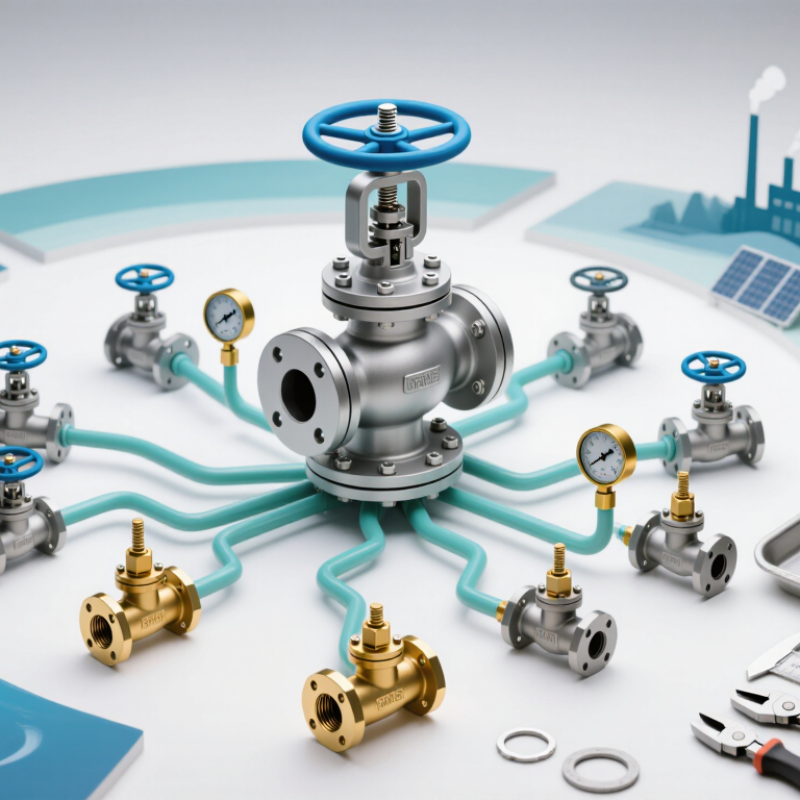
Pump valve selection starts with function, not price.
Ball valves provide quick isolation with low flow resistance.
Gate valves suit fully open or closed pipelines, but they respond slowly.
Globe valves offer accurate throttling and stable control.
Butterfly valves save space in large-diameter systems.
Check valves prevent reverse flow after pump shutdown.
Diaphragm valves handle corrosive or contaminated media while protecting internal mechanisms.
Global sourcing requires matching each type to real operating conditions. A chemical transfer line may need a lined diaphragm valve, while a cooling-water system often uses butterfly and check valves.
Confirm pressure class, temperature range, fluid viscosity, and solids content. Connection standards also matter. Flanged, threaded, and welded ends are not automatically interchangeable. Small differences can delay installation.
During supplier reviews, request material certificates, pressure-test records, leakage grades, and actuator data. Stainless steel may resist corrosion, yet unsuitable sealing materials can fail quickly.
Ask for spare-part compatibility and clear identification on every valve body. Packaging deserves attention too; moisture inside a long-distance shipment can damage unprotected components.
I have seen projects select the correct valve type but overlook mounting space and maintenance access. That mistake is expensive.
No checklist is perfect. Recheck the pump curve, shutoff pressure, and local service capacity before approving the order.
Compare Materials, Standards, Certifications, and Supplier Capabilities
How to Choose Pump Valves for Global Sourcing in 2026?
Material selection should match the fluid, temperature, pressure, and maintenance environment. Stainless steel resists corrosion better than carbon steel, but it costs more. Ductile iron suits many water applications, while nickel alloys handle aggressive chemicals. U.S. Department of Energy guidance identifies pumping systems as major industrial energy users, often consuming about 25% of site electricity. Therefore, a poorly sized valve can create expensive pressure losses. Check flow coefficients, shutoff pressure, seat compatibility, and documented test results. ISO 5208 supports pressure-testing practices, while ASME B16.34 addresses valve design and pressure-temperature ratings.
Standards do not automatically prove product quality. Confirm whether the valve needs API, EN, ISO, or project-specific requirements. Certification should match the destination market, not merely the supplier’s brochure. Request valid certificates, traceability records, material test reports, and calibration evidence. ISO 9001 demonstrates process control, but it does not certify every valve’s performance. Independent inspection can reveal weak coatings, incorrect elastomers, or incomplete documentation. I have seen sourcing teams overlook actuator compatibility. That mistake delayed commissioning.
Tips: Build a comparison sheet before requesting quotations. Include body material, pressure class, connection type, test standard, certificates, lead time, spare parts, and warranty terms. Audit production capacity and subcontractors. Ask for recent test samples, not only polished photographs. Supplier capability matters during shortages. A low price can become costly. Recheck every assumption.
Evaluate Total Cost, Quality Control, Lead Times, and Logistics
How to Choose Pump Valves for Global Sourcing in 2026?
The lowest quote rarely means the lowest total cost. Compare valve price, tooling, inspection, packaging, freight, duties, and failure exposure. A cheaper valve can become expensive after one damaged seat or delayed pump installation. The World Bank’s Logistics Performance Index 2023 shows major differences in customs, tracking, infrastructure, and delivery reliability between sourcing markets. Build these variables into a landed-cost model.
Quality control needs evidence, not promises. Specify pressure ratings, body materials, seal compounds, dimensional tolerances, and test standards before requesting quotations. Require material certificates, pressure-test records, batch identification, and inspection photos. For critical valves, independent inspection before shipment can protect against hidden casting defects. ISO 9001 certification helps, but it does not replace product testing. I have seen compliant paperwork conceal inconsistent finishing. That is a useful warning.
Lead time should include production, inspection, port handling, customs, and inland delivery. UNCTAD’s Review of Maritime Transport 2024 reported continued growth in seaborne trade, while geopolitical disruption increased routing uncertainty. Keep a practical buffer. Not an optimistic one. Ask suppliers for capacity evidence, component availability, and a recovery plan for rejected batches. Select packaging that prevents flange damage and moisture exposure. Use shipment tracking, milestone alerts, and a second approved source for frequently used valve sizes. Dawdling over a small freight saving can cost more than the valve itself.
How to Choose Pump Valves for Global Sourcing in 2026?
Benchmark comparison of sourcing regions across total cost, quality control, lead-time predictability, and logistics resilience. Higher scores indicate a more favorable sourcing position.
The 0–100 planning scores represent a composite benchmark based on typical industrial valve sourcing factors, including landed-cost pressure, supplier quality systems, production lead times, transport reliability, and supply-chain risk. Confirm final decisions with supplier audits, inspection plans, freight quotations, and duty calculations.
Verify Samples, Factory Performance, Documentation, and Supply Continuity
Choosing pump valves for global sourcing in 2026 requires evidence beyond a polished quotation. Request production samples from the exact factory line. Check body dimensions, sealing surfaces, actuator movement, and thread accuracy. Measure the noise. A valve may pass a visual inspection yet fail after repeated cycling. Test samples under expected pressure, temperature, and flow conditions. Record every result with dates, instruments, and operator names.
Factory performance deserves direct verification. Review process controls, material traceability, calibration records, and final inspection procedures. Ask how defects are isolated and corrected. A live video tour helps, but an independent factory audit provides stronger evidence. I once trusted a convincing sample too quickly. The first batch later showed inconsistent gasket compression. That mistake changed my inspection checklist.
Documentation must remain usable across languages, sites, and time zones. Request technical drawings, test reports, material certificates, installation instructions, and maintenance guidance. Confirm revision numbers before approval. Keep evidence.
Supply continuity also needs measurable proof. Examine capacity, alternate material sources, safety stock, lead-time history, and recovery plans for port delays or equipment failures. Request a small pilot order before signing larger commitments. It exposes packaging weaknesses and communication gaps early. However, no forecast is perfect. Recheck capacity quarterly, especially when demand rises suddenly. A dependable supplier shares bad news quickly, not only favorable updates.
 skip to Main Content