skip to Main Content

How to Choose the Right Pump Valves for Global Projects?

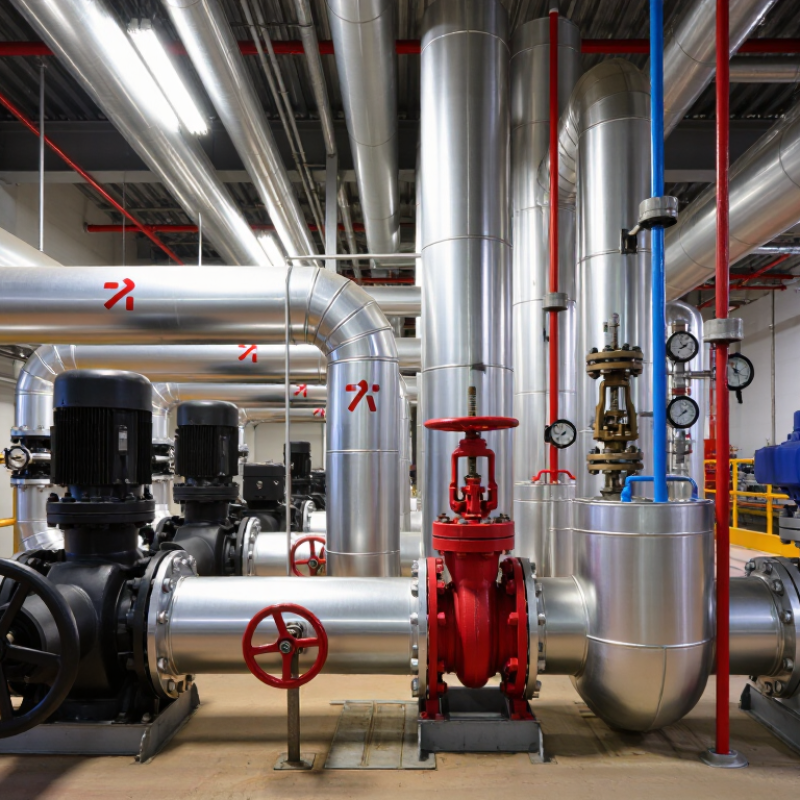
Choosing the right pump valves for global projects is not a catalogue exercise. It is a reliability decision. A valve must match fluid chemistry, pressure, temperature, flow direction, maintenance access, and local standards. Small mismatches can create leakage, cavitation, vibration, or costly shutdowns.

The global industrial valves market continues to expand. Grand View Research estimated its value at approximately USD 78 billion in 2023, with growth expected through 2030. MarketsandMarkets also identifies energy, water treatment, and chemical processing as major demand sectors. These figures show opportunity, but they do not guarantee the right selection. Reports often group many valve types together. Pump valves require more specific judgment.

Dr. Lev Nelik, a pump engineer and author of Centrifugal and Rotary Pumps, states, “A pump is only as good as the system in which it operates.” That principle should guide every project. Engineers should compare pump curves, valve loss coefficients, actuator requirements, and materials before approving a design. API 6D, API 598, ISO 5199, and Hydraulic Institute guidance can support verification, depending on the application.

The details matter. A seawater pump may need duplex stainless steel, while a chemical-service pump may require lined components. A high-pressure oil system may demand different sealing and fire-safe considerations. There is no universal solution.

This is where many projects become vulnerable. Procurement teams may prioritize price, while operators inherit maintenance problems. Country-specific certification, spare-part availability, and installer experience also deserve attention. A better decision combines standards, field experience, supplier evidence, and honest review of uncertain assumptions. That last step is often missed.
How to Choose the Right Pump Valves for Global Projects?

Define Project Requirements and Pump Operating Conditions

Choosing pump valves for a global project starts with the process, not the catalog. Define the fluid, flow range, pressure, temperature, and required service life. Record viscosity, solids content, corrosiveness, and crystallization risk. These details influence valve materials, sealing methods, pressure classes, and connection types. Do not rely on average conditions alone. Startup, shutdown, cleaning, and emergency events often create the highest loads.

Map the pump’s operating envelope before selecting the valve. Check suction pressure, discharge pressure, flow velocity, differential pressure, and cycling frequency.

Review the pump curve with the valve curve, especially near minimum flow. Poor matching can cause vibration, noise, leakage, or cavitation.

Fast-closing valves may also create damaging water hammer in long pipelines. A controlled closing time may protect both the valve and the piping system. Small details matter.

Global projects need practical requirements beyond engineering calculations. Consider ambient temperature, installation altitude, available maintenance skills, spare-part access, and regional connection standards. Confirm that documents use consistent units and clearly define inspection requirements. Experienced engineers should verify material compatibility with actual operating data, not assumptions from an earlier project. It is easy to over-specify every component. That can increase cost and complicate maintenance without improving safety. A perfect spreadsheet can still miss a difficult site condition. No calculation replaces a site walkdown. Test uncertain assumptions before procurement.

Compare Valve Types by Function, Flow Control, and Pressure Class

How to Choose the Right Pump Valves for Global Projects?

Valve selection should begin with function, not habit. A gate valve suits full-bore isolation, while a globe valve offers finer throttling. Ball valves provide quick shutoff with low pressure loss. Butterfly valves reduce weight and cost on larger lines, but disc position can disturb flow. A check valve protects the pump from reverse flow during shutdown. It needs correct sizing, not simply the same diameter as the pipe. The U.S. Department of Energy’s Improving Pumping System Performance sourcebook reports that pumping systems can represent up to 25% of industrial electricity use. Poor valve choices can therefore increase energy waste.

Flow control and pressure class must be reviewed together. A control valve operating near its closed position may create noise, vibration, and cavitation. My early selections sometimes focused too heavily on purchase price. That was a mistake. The Hydraulic Institute’s pump life-cycle cost guidance uses an illustrative model where energy can represent about 40% of total pump-system cost. Pressure class also changes with temperature, material, and standard. An ASME Class 150 valve is not a universal 150 psi guarantee. Confirm the pressure-temperature table, test requirements, end connections, and local project code. For water, chemical, and seawater service, lining and corrosion data matter. Small details decide reliability.ETwitter

How to Choose the Right Pump Valves for Global Projects? - Compare Valve Types by Function, Flow Control, and Pressure Class

Select the valve according to its primary duty, fluid characteristics, allowable pressure drop, operating temperature, actuation requirements, and the applicable international piping standard. Pressure classes are nominal design ratings; the actual allowable pressure depends on the valve material, temperature, end connection, and governing standard.

Comparative Pump Valve Selection Data
Valve Type Primary Function Flow Control Capability Typical Pressure Class or Rating Flow-Path and Pressure-Drop Characteristics Common Pump-System Position Suitable Fluids and Services Main Advantages Important Limitations Typical Selection Consideration
Gate Valve Isolation or full shutoff Not recommended for throttling ASME Class 150–2500; PN10–PN40 commonly available Very low pressure loss when fully open; wedge must be fully clear of the flow path. Discharge isolation, suction isolation, and pipeline sectional isolation Water, hydrocarbons, steam, and general industrial liquids Low operating pressure drop; available in a wide range of sizes and pressure ratings. Slow operation; partial opening can cause vibration, erosion, and seat damage. Use where the valve will normally remain fully open or fully closed and space permits a longer face-to-face length.
Ball Valve Quick isolation and on/off control Limited throttling ASME Class 150–2500; PN10–PN100 depending on design Full-bore designs provide low pressure loss; reduced-bore designs create higher velocity and pressure loss. Pump discharge isolation, drain lines, bypasses, and automated isolation points Clean liquids, gases, chemicals, and some abrasive or viscous services with suitable trim Quarter-turn operation; tight shutoff; compact and easy to automate. Continuous throttling can damage the ball and seats; solids may interfere with sealing. Choose a full-bore design for low-loss pumping systems and a fire-safe or anti-static design where required by the service specification.
Butterfly Valve Isolation and moderate flow regulation Moderate throttling Commonly PN6–PN40 or ASME Class 150–300 Compact flow path; pressure loss is generally higher than a full-bore gate or ball valve, especially near the closed position. Large-diameter suction and discharge lines, cooling-water systems, and low-pressure process piping Water, seawater, air, low-pressure chemicals, and compatible slurry services Lightweight, compact, economical for large diameters, and suitable for quarter-turn actuation. Disc remains in the flow path; seat and shaft materials limit temperature, chemical, and vacuum service. Verify disc clearance, minimum pipe velocity, cavitation risk, and bidirectional sealing requirements.
Globe Valve Throttling, regulation, and isolation Good continuous control ASME Class 150–2500; PN16–PN100 commonly available Higher pressure loss than gate or ball valves because the flow changes direction through the body. Minimum-flow bypasses, pump recirculation lines, control stations, and utility services Water, steam, thermal fluids, and many clean process liquids Stable throttling performance; good control rangeability; replaceable trim options. Higher energy loss; larger and heavier than quarter-turn valves of the same nominal size. Use when accurate flow regulation is more important than minimum pressure drop.
Check Valve Prevention of reverse flow Automatic; no manual throttling ASME Class 150–2500; PN10–PN100 commonly available Pressure loss depends on the disc or piston design; insufficient velocity can cause unstable operation or chatter. Pump discharge, parallel-pump discharge branches, and anti-backflow protection Water, hydrocarbons, gases, chemicals, and wastewater with the correct design Protects pumps from reverse rotation and limits backflow after shutdown. Closing slam, water hammer, leakage, and wear can occur if the valve is poorly selected or installed. Compare closing speed, cracking pressure, minimum stable flow, and installed orientation; consider a non-slam design for critical systems.
Silent or Non-Slam Check Valve Reverse-flow prevention with reduced water hammer Automatic; optimized for dynamic systems Commonly ASME Class 150–600 or PN10–PN40 Designed for short closing travel and lower transient effects; pressure loss varies with spring and disc geometry. High-speed pump discharge and long rising pipelines Clean water, cooling water, process liquids, and compatible gases Can reduce reverse velocity and hydraulic shock compared with some conventional swing checks. Requires adequate flow velocity and correct sizing; spring components may affect pressure drop. Use surge analysis and pump coast-down data rather than selecting by line size alone.
Diaphragm Valve Isolation and controlled flow for corrosive or contaminated fluids Moderate throttling Commonly PN6–PN16 or ASME Class 150 Moderate to high pressure loss; the diaphragm separates the operating mechanism from the process fluid. Chemical dosing, slurry handling, wastewater, and hygienic or corrosive auxiliary systems Corrosive liquids, abrasive slurries, wastewater, and fluids requiring contamination control Good isolation from the actuator; few exposed wetted moving parts; suitable for dirty fluids. Diaphragm life is affected by temperature, pressure, flexing cycles, and chemical compatibility. Confirm diaphragm material, temperature limit, vacuum capability, and cycle frequency before specifying.
Plug Valve Isolation and diversion of flow Limited to moderate throttling ASME Class 150–600 commonly; higher ratings available for selected designs Low to moderate pressure loss depending on port geometry; lubricated and sleeved designs have different operating characteristics. Slurry, wastewater, gas, and process isolation or diverting service Viscous liquids, slurries, gases, and fluids containing suspended solids Quarter-turn operation; full-port versions can provide relatively low pressure loss. High operating torque may require a gearbox or actuator; sealing performance depends strongly on design and maintenance. Consider solids content, torque, lubrication requirements, and the need for a full-port passage.
Needle Valve Fine flow adjustment and instrumentation isolation Excellent fine adjustment Commonly ASME Class 600–6000 or equivalent high-pressure ratings High pressure loss by design, allowing precise control at very low flow rates. Pressure gauges, seal-water lines, pump minimum-flow instrumentation, and sampling points Clean liquids, gases, hydraulic fluids, and instrument services Precise manual flow adjustment; suitable for small-bore, high-pressure services. Not suitable for large flow rates or fluids containing significant solids. Use for instrumentation and small bypass lines, not as the main pump discharge control valve.
Pressure-Reducing Control Valve Automatic downstream pressure control Continuous modulating control Commonly ASME Class 150–600; selected designs use higher classes Intentionally produces a controlled pressure drop; incorrect sizing can cause cavitation, noise, or unstable control. Pressure-control stations, pump discharge regulation, and system pressure-management lines Water, steam, gases, and process liquids with suitable trim and actuator materials Maintains a target downstream pressure automatically across changing conditions. Requires sizing calculations, actuator selection, instrumentation, and protection against cavitation. Specify normal, minimum, and maximum flow; upstream and downstream pressure; temperature; fluid density; and allowable noise level.
Pressure-Relief Valve Overpressure protection Self-actuated protective function Commonly ASME Class 150–2500, subject to certified pressure-temperature limits Normally closed; opens at the set pressure and must be sized for the credible relieving scenario. Pump discharge protection, blocked-in liquid sections, pressure vessels, and thermal expansion protection Liquids, gases, steam, and thermal-fluid services with appropriate materials Protects equipment and piping from pressure exceeding the design limit. Not a substitute for a routine control valve; incorrect set pressure or discharge routing can create hazards. Base sizing on the governing relief case, set pressure, back pressure, relieving temperature, and applicable local code.
Global Project Selection Notes
  • ASME Class 150, 300, 600, 900, 1500, and 2500 are pressure-temperature rating classes, not universal maximum working pressures. Always verify the rating table for the selected body and trim materials.
  • PN ratings such as PN10, PN16, PN25, and PN40 are nominal metric pressure designations. The allowable pressure can decrease as temperature increases.
  • Check valve selection should include hydraulic transient analysis, especially for long pipelines, vertical risers, parallel pumps, and systems subject to rapid pump shutdown.
  • For throttling service, size the valve using the required flow coefficient, differential pressure, fluid density, viscosity, vapor pressure, and cavitation limits rather than selecting only by nominal pipe diameter.
  • Confirm face-to-face dimensions, flange drilling, pressure-test requirements, material certificates, fire-safe requirements, fugitive-emission requirements, and regional conformity requirements before procurement.

Match Valve Materials to Fluids, Temperature, and Corrosion Risks

Selecting pump valves for a global project starts with the fluid, not the catalog. Water, glycol, seawater, acids, and abrasive slurries create different material demands. Confirm concentration, solids content, pH, and cleaning chemicals with the process team. Small details matter.

An alloy that survives clean water may fail quickly in chloride-rich seawater. Stainless steel can perform well, but crevices, weld areas, and stagnant zones still need review. For aggressive chemicals, engineers may evaluate higher-alloy metals, lined bodies, or nonmetallic components. Temperature changes the decision. At elevated temperatures, seals harden, plastics lose strength, and thermal expansion can affect seating. At low temperatures, brittle fracture and viscosity changes deserve equal attention. Check the full operating range, not only the normal design point.

I have seen projects choose valve bodies correctly, then overlook stem or fastener compatibility. That mistake can create leaks after installation. Material certificates, corrosion data, and supplier test records help verify assumptions. Still, published tables are not a substitute for site conditions. Flow velocity, pressure cycling, oxygen levels, and maintenance practices can change actual service life. Specify wetted materials separately from external hardware. Also ask whether local technicians can inspect, repair, and source approved replacements. Global consistency helps, but regional realities matter. I would rather document one uncertain assumption than hide it inside a specification.

How to Choose the Right Pump Valve Materials for Global Projects

Indicative material suitability scores for common fluid, temperature, and corrosion conditions. Higher scores indicate better overall suitability for initial valve material screening.

Selection should be verified against exact fluid concentration, pressure, temperature, chloride content, erosion risk, and applicable standards. Compatibility scores are indicative engineering-screening values, not a substitute for a detailed materials review.

Check Global Standards, Certifications, and Regional Installation Codes

Selecting pump valves for global projects begins with the destination, not the catalog. A valve suitable in one market may fail another region’s installation requirements. Engineers should compare pressure ratings, materials, temperature limits, and connection types with project conditions. International standards may define testing, dimensions, and performance. Regional codes can control isolation, drainage, access, and inspection procedures. The details matter onsite. A familiar specification may still conflict with local practice.

Certifications require careful review. Ask which organization issued the certificate, which standard edition applies, and what the certification covers. Verify whether it applies to the complete valve assembly or only individual components. Potable water, fire protection, and chemical service can require different approvals. Keep pressure-test reports, material traceability, installation instructions, and calibration records together. Translation quality matters too. A certificate without matching project conditions offers weak protection. This is easy to miss.

Experienced teams involve regional engineers before procurement. They check authority expectations, installer qualifications, inspection points, and maintenance clearance. On one project, a valve passed factory testing but needed a different actuator orientation onsite. The issue was manageable, yet commissioning was delayed. Small oversights become expensive. The process is not perfectly tidy. I also question broad claims of universal compliance. Standards change, and local interpretations vary. Build a compliance matrix for every valve, including standard references, certificates, testing duties, and installation restrictions. Have local specialists review it before approval.

Evaluate Maintenance, Supply Chains, Costs, and Long-Term Reliability

Choosing pump valves for a global project requires more than comparing purchase prices.

Maintenance access, spare-part availability, and service skills can determine lifetime performance. A poorly selected valve can increase throttling losses, vibration, and seal wear. Check pressure class, fluid temperature, corrosion exposure, actuation method, and inspection requirements. Also confirm whether local technicians can repair it safely.

The U.S. Department of Energy reports that pumping systems may consume 25–50% of industrial electricity in some facilities.

Supply chains deserve equal attention.

The World Bank’s 2023 Logistics Performance Index evaluates customs, infrastructure, shipment quality, and delivery timeliness across global markets. These factors affect valve replacement schedules. Request regional stock data, realistic lead times, and documented alternatives before approval.

Standardized components may simplify training, but excessive standardization can ignore local water quality or climate. I have seen cost-focused specifications fail because a small gasket was unavailable for months. That assumption needs challenging.

Tips:

Build a five-year cost model, not only a quotation comparison. Include energy use, spare kits, inspections, downtime, and disposal. Ask suppliers for tested performance curves and material certificates.

Use ISO 14224 principles to structure failure and maintenance data. For critical services, keep one verified replacement path. It may cost more initially. It can reduce operational uncertainty.

Allow room for revision after commissioning, because field conditions rarely match the design file perfectly.

Back To Top