skip to Main Content

Why Choose a Continental Hydraulic Pump?

Why Choose a Continental Hydraulic Pump?

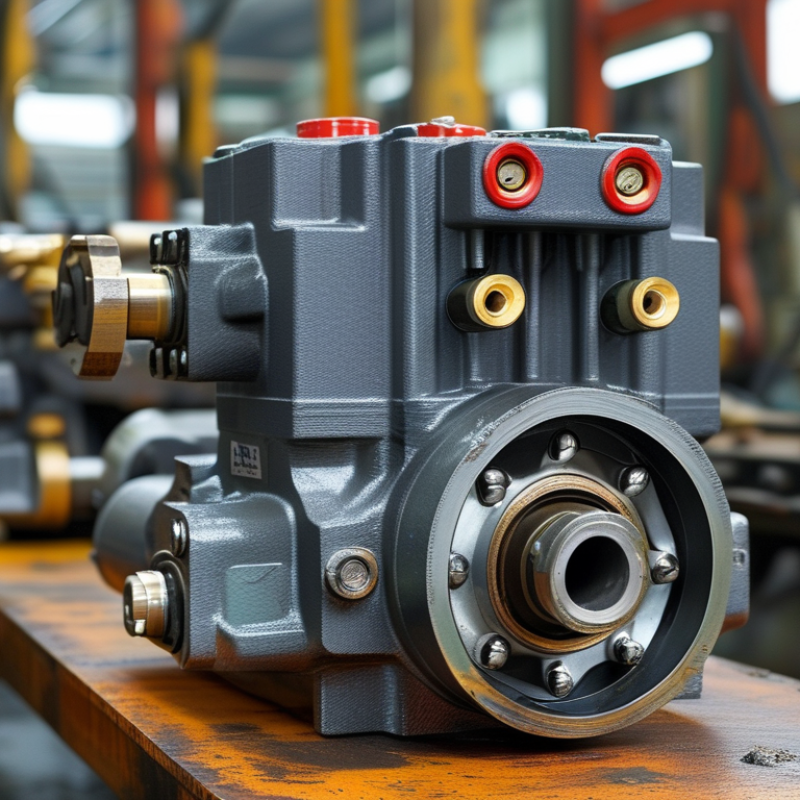
Choosing a continental hydraulic pump begins with the machine’s real working conditions. Pressure, flow, duty cycle, temperature, and available installation space all matter. A pump that performs well in a factory may struggle in a mobile system. That difference deserves careful attention.

Fluid-power author Anthony Esposito offers a practical reminder: “Hydraulic performance depends on matching the pump to the application.” His observation reflects an important engineering principle. Strong specifications alone do not guarantee reliable operation. Correct sizing does.

Continental hydraulic pump systems are often selected for dependable fluid delivery, serviceable construction, and consistent performance under demanding cycles. In a manufacturing line, stable flow can help protect actuator timing and product quality. In agricultural or material-handling equipment, efficient pressure control may reduce wasted energy and unnecessary heat. Small details matter.

Look closely at the operating environment. Contaminated oil can damage internal surfaces. Poor filtration can shorten component life. Incorrect viscosity can create sluggish movement or excessive wear. These issues are not always caused by the pump itself.

That is the uncomfortable part.

A premium pump cannot repair a poorly designed circuit. It cannot compensate for neglected maintenance. Engineers should compare technical data, replacement support, noise levels, and lifecycle costs before purchasing. Continental may be an excellent choice, but it is not automatically the right choice for every application. Testing under actual load remains the most reliable decision-making step.

Why Choose a Continental Hydraulic Pump?

Continental Hydraulic Pumps: Definition and Operating Principles

Why Choose a Continental Hydraulic Pump?

Continental Hydraulic Pumps: Definition and Operating Principles

A hydraulic pump converts mechanical power into controlled fluid flow. Pressure develops when that flow meets resistance in the circuit. The pump does not create pressure alone. This distinction matters during troubleshooting and system design.

Common pump types include gear, vane, and piston designs. Each uses rotating parts to move oil from the inlet toward the outlet. Tight internal clearances reduce leakage and improve volumetric efficiency. A piston pump can support higher pressures, while a gear pump often offers simpler maintenance. The U.S. Department of Energy reports that hydraulic systems may lose 20–35% of input energy through heat, leakage, and throttling. Small losses become expensive inside a busy factory.

Oil cleanliness is equally important. ISO 4413 recommends controlling contamination, temperature, pressure, and safe installation practices. In maintenance inspections, dark oil, noisy bearings, or a pulsing gauge often reveal trouble early. A blocked suction filter can cause cavitation. It sounds like gravel inside the housing. Not ideal. The MarketsandMarkets Hydraulic Pumps Market report projected growth from about USD 10.6 billion in 2023 to USD 14.8 billion by 2028. That growth suggests wider use, but it does not guarantee correct selection. Flow demand, pressure rating, duty cycle, fluid type, and service access still decide performance. My practical view is imperfect: a reliable pump can fail when the surrounding system is poorly specified.

Key Features of Continental Hydraulic Pump Designs

Hydraulic pump design directly affects machine speed, control, noise, and service life. A reliable pump begins with accurate internal clearances and stable material selection. These details reduce leakage between rotating and stationary parts. That matters under pressure.

Many advanced designs use variable displacement control. The pump supplies only the flow the system needs, which can lower heat and energy loss. Load-sensing control also improves response when several functions operate together. Operators notice smoother movement at the valve and fewer pressure shocks. It feels less dramatic, but it protects connected components.

Durable housings, hardened shafts, and dependable seals support long-term operation. Good pumps also provide practical inspection points and accessible service connections. During maintenance, technicians should check oil cleanliness, inlet restrictions, shaft alignment, and unusual vibration. Small errors become expensive failures.

No design is flawless. Even a strong pump can suffer when filters clog or fluid viscosity changes. I have seen stable systems lose performance because a suction hose softened internally. That problem was easy to miss. A trustworthy design should include clear pressure ratings, predictable adjustment, and documented maintenance limits. These features help engineers verify performance instead of relying on guesswork. Field conditions remain unpredictable, so conservative sizing and regular monitoring still matter.

Why Choose a Continental Hydraulic Pump?

Key Features of Hydraulic Pump Designs

Pressure capability is a key factor when selecting a hydraulic pump. Representative industry ratings show that axial-piston and radial-piston designs support higher working pressures, while gear and vane pumps are often selected for simpler, cost-effective systems. Actual performance depends on operating speed, fluid viscosity, temperature, displacement, and system design.

Values shown are representative maximum working-pressure ranges for common industrial pump designs and are not manufacturer-specific ratings.

Performance Benefits in Industrial Hydraulic Systems

A well-selected hydraulic pump can improve industrial performance through steadier pressure, faster cycle times, and lower heat generation. In demanding systems, these gains appear at the machine: cleaner valve response, quieter operation, and fewer temperature spikes during long shifts. Pump displacement should match the load, not merely the maximum rating. Oversizing often creates avoidable throttling losses.

Energy efficiency deserves equal attention. The International Energy Agency’s Energy Efficiency 2023 report estimates that industry consumes about 37% of global final energy. Hydraulic power units add to this demand through electric motors, conversion losses, and idle running.

The U.S. Department of Energy’s Improving Pumping System Performance sourcebook identifies potential energy savings of 20–50% in many pumping systems.

Hydraulic applications vary, but the warning remains useful: poor sizing can quietly increase operating costs.

Field maintenance experience also shows the value of stable oil flow. A pump operating near its intended duty point usually produces less vibration and reduces seal stress. However, efficiency is not automatic. Contaminated fluid, weak filtration, and excessive pressure settings can erase performance benefits quickly.

The Global Fluid Power Society’s technical guidance repeatedly links cleanliness with component life, although real factories sometimes treat filtration as an afterthought. That is a mistake. A reliable pump needs correct sizing, clean oil, suitable controls, and inspection records that reflect actual working conditions.

How to Select the Right Continental Hydraulic Pump

Selecting the right hydraulic pump begins with the machine, not the catalog. Measure required flow, operating pressure, shaft speed, and fluid temperature. A pump that looks powerful may waste energy when its displacement is oversized. Check the duty cycle carefully. Continuous operation demands different protection than occasional lifting. I have seen small pressure errors create noisy lines, hot reservoirs, and premature seal wear.

Match the pump’s displacement to the actuator’s movement. Confirm inlet size, rotation direction, mounting pattern, and shaft dimensions before ordering. These details seem minor. They are not. Fluid compatibility also matters, especially in cold workshops or dusty outdoor settings. Review verified test data, service records, and applicable engineering standards. A supplier should explain efficiency, noise levels, warranty limits, and replacement-part availability without vague promises.

Installation conditions deserve equal attention. Keep the suction line short, support heavy hoses, and filter the fluid at the recommended rating. Contamination is a quiet failure source. It can damage a new pump within hours. I would also compare the real operating range with the advertised maximum. Maximum pressure is not a comfortable working pressure. The first selection may still be wrong after testing. Recheck temperature, vibration, and response speed under load, then adjust the specification when field evidence disagrees.


Maintenance, Compatibility, and Service Considerations

Why Choose a Continental Hydraulic Pump?

Maintenance, Compatibility, and Service Considerations

Choosing a hydraulic pump should begin with maintenance, not marketing claims. In daily field work, small leaks rarely stay small. Act early. Inspect the shaft seal, mounting bolts, hose connections, and fluid level during scheduled checks. A clean inspection area helps reveal fresh oil around the pump body. I have seen minor contamination damage precise internal surfaces within weeks. Clean oil matters. Use the specified filtration rating and replace clogged filters before pressure drops become noticeable.

Compatibility also deserves careful measurement. Confirm displacement, operating pressure, rotation direction, shaft type, mounting pattern, and port size. A pump can fit physically yet perform poorly in the system. Check the fluid type and operating temperature against the technical documentation. Incorrect viscosity may cause slow response, excess heat, or premature wear. These details seem basic, but rushed replacements often miss one of them.

Service support can determine the pump’s real value. Ask whether replacement seals, bearings, and technical instructions are readily available. Clear service procedures reduce downtime and prevent avoidable assembly errors. Keep installation records, pressure readings, and oil-change dates. They make troubleshooting more factual. Still, maintenance plans are not perfect. Operators may overlook unusual noise or postpone inspections during busy periods. A practical service schedule should allow for that reality, while trained technicians verify critical repairs and pressure settings before returning equipment to work.

Back To Top