Top Tips for Choosing SSAW Steel Pipe for Global Buyers?
Choosing the right SSAW Steel Pipe can be challenging for global buyers. With numerous manufacturers and varying product qualities, making an informed decision is crucial. SSAW Steel Pipes, or Spiral Submerged Arc Welded pipes, are known for their strength and durability. They play a vital role in various industries, such as oil and gas, water supply, and construction.
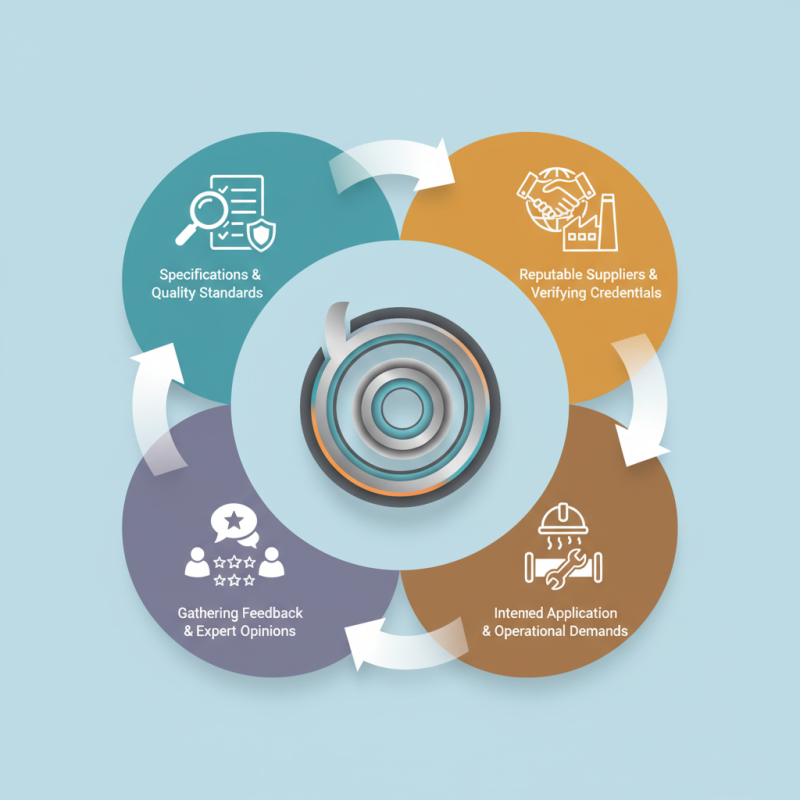
It's essential to consider the specifications and quality standards when selecting SSAW Steel Pipes. Certifications and testing processes provide insights into the product’s reliability. Buyers should look for reputable suppliers with proven expertise in the industry. However, not all manufacturers comply with these standards. Verifying their credentials can help avoid costly mistakes.
Moreover, understanding the pipeline's intended application can guide the selection process. This ensures that the chosen SSAW Steel Pipe meets the operational demands. Gathering feedback from previous buyers can reveal potential issues. Trusting recommendations and expert opinions plays a vital role in making an educated choice. In the end, a cautious approach is necessary to ensure that buyers receive high-quality SSAW Steel Pipes.
Understanding SSAW Steel Pipe and Its Applications
SSAW (Spiral Submerged Arc Welded) steel pipes are essential in various industries due to their robust structure and versatility. These pipes are created by winding flat steel strips into a spiral shape, which are then welded together. Their construction allows for significant flexibility in both diameter and length. Many global buyers rely on SSAW pipes for applications such as water supply, oil and gas transportation, and structural uses in construction.
When choosing SSAW steel pipes, buyers should consider the pipe's intended application carefully. Specific standards and dimensions provide guidance, but real-world conditions often dictate performance. Factors like pressure ratings, environmental impacts, and corrosion resistance are critical. Understanding these can lead to better decision-making. A common challenge is aligning the pipe specifications with project requirements, which often changes. Seeking professional insights can help navigate these complexities.
The variety of applications for SSAW pipes is expanding, yet awareness of quality matters significantly. While cost is a factor, neglecting material specifications can prove costly in the long run. Buyers must also reflect on supplier reliability. An experienced supplier may provide better long-term value, even if the initial investment is higher. A balanced perspective on quality versus price is vital for successful procurement.
Key Factors to Consider When Choosing SSAW Steel Pipe
When selecting SSAW steel pipe, buyers must be aware of several crucial factors. The pipe's material quality is paramount. High-quality materials ensure durability and longevity. According to industry reports, steel pipes made from high-grade carbon steel have an impressive yield strength exceeding 350 MPa. This strength is vital for applications in construction and oil transportation.
Another consideration is the pipe's diameter and wall thickness. SSAW pipes can range from 219 mm to 3,600 mm in diameter. Choosing the right size affects both transport capacity and stress resistance. A well-documented case highlights that a thicker wall can enhance pressure resistance, making it suitable for high-pressure environments. Buyers should carefully assess project specifications before making a decision.
Tips: Evaluate the supplier’s quality certifications. This ensures compliance with international standards, which adds reliability to your choice. Also, consider the delivery time. Delays can impact project timelines significantly. Frequent consultation with industry experts can help clarify uncertainties and enhance decision-making. Always keep in mind the need for sourcing options that maintain a balance between cost and quality for long-term success.
Evaluating Quality Standards for SSAW Steel Pipe
When selecting SSAW (Spiral Submerged Arc Welded) steel pipes, evaluating quality standards is crucial. Industry reports indicate that a substantial number of buyers face challenges in identifying the right specifications. According to the American Society for Testing and Materials (ASTM), quality assessments should encompass chemical composition, mechanical properties, and dimensional tolerances.
Tip: Always request detailed certifications from suppliers. Documentation on material properties and tests provide crucial insights into the pipe's reliability. These certifications often include data on tensile strength and yield strength, which are fundamental for assessing performance.
Moreover, understanding different quality standards, like the ISO 9001, can greatly influence your buying decision. This standard ensures consistent quality in manufacturing processes. Reports show that pipes meeting these standards minimize risks of defects during operations. However, not all suppliers have these certifications readily available. This can complicate the evaluation process.
Tip: Consider suppliers with proven track records. Research their history and customer feedback. Some may possess the right certifications but lack a history of reliable delivery. Always weigh quality against the potential for delays or issues post-purchase.
Comparing SSAW Steel Pipe Suppliers Globally
Choosing the right SSAW steel pipe supplier is crucial for global buyers. The industry sees significant variations in quality and pricing. Reports indicate that suppliers in Asia account for nearly 60% of the market share. Countries like China, India, and South Korea lead in production capacity. Their output often meets international standards, yet quality control can vary.
When evaluating suppliers, consider their certifications and production methods. The Global Steel Pipe Report highlights that around 30% of pipes produced do not meet specific industry standards. This raises concerns about durability and safety. Buyers should request quality assurance documents. Understanding each supplier's testing procedures can mitigate risks.
Additionally, geographic location impacts delivery times and costs. Suppliers closer to project sites can reduce shipping expenses. However, it is essential to assess local market conditions. Fluctuations in raw material prices can affect overall pricing. Therefore, gathering comprehensive quotes from multiple suppliers is wise. This comparison can reveal hidden costs or savings. Keep in mind that not all suppliers offer transparent pricing models.
Top Tips for Choosing SSAW Steel Pipe for Global Buyers
| Dimension | Specification | Country of Origin | Typical Applications | Price Range (per ton) |
| OD 219 - 1220 mm | ASTM A252 | China | Oil and Gas, Water Supply | $600 - $800 |
| OD 1000 - 1600 mm | ISO 3183 | Russia | Pipelines, Structural | $700 - $950 |
| OD 300 - 600 mm | API 5L | India | Construction, Drainage | $500 - $750 |
| OD 406 - 800 mm | En 10219 | Germany | Architectural, Mechanical | $800 - $1100 |
Cost Considerations and Budgeting for SSAW Steel Pipe购买
When considering budget options for purchasing SSAW steel pipes, understanding pricing dynamics is crucial. The cost of these pipes can vary based on factors like material, diameter, and application. Global buyers should analyze their specific needs before making any decisions. Consider the anticipated volume of your order. Higher quantities might lead to bulk discounts, which can enhance overall affordability.
It's also important to account for additional costs. Shipping fees, taxes, and potential tariffs can significantly affect the final price. Conduct a thorough cost analysis. Compare quotes from multiple suppliers to ensure you are getting a competitive rate. Some buyers overlook hidden costs, which can erode their budget. Be prepared to ask questions and clarify terms. This diligence can help avoid unexpected financial burdens down the line.
Quality should not be sacrificed for cost. Ensure the supplier adheres to industry standards. Sometimes, cheaper options might lack vital certifications. Research supplier backgrounds to assess their reliability. Engage with experts who can provide insights on the best practices for procurement in your region. Ultimately, a well-planned budget should balance cost and quality effectively.
Cost Considerations for SSAW Steel Pipe
 skip to Main Content
