skip to Main Content

2026 Top Hydraulic Unit Types for Global Buyers

Hydraulic units are not interchangeable boxes of steel and hoses. Their design affects pressure stability, heat, noise, service access, and machine uptime. For global buyers, the right choice depends on the application, not just the nameplate rating. A compact power pack may suit a lift table, while a larger industrial unit can support continuous production. Mobile equipment brings different demands, including vibration, limited space, and changing loads. Small details matter. A blocked return filter or undersized reservoir can turn a promising specification into a maintenance problem.

This guide compares common hydraulic units, including standard power packs, compact units, mobile hydraulic systems, and application-specific assemblies. It considers pump type, flow rate, operating pressure, motor choice, cooling, filtration, controls, and serviceability. Anthony Esposito, author of Fluid Power with Applications, is a respected reference in fluid-power education. The following is a concise paraphrase of his engineering approach, not a verbatim quotation: “Match pressure, flow, and control to the work the machine must perform.” That principle is useful, but it does not settle every purchasing decision. Ambient temperature, duty cycle, available power, and local maintenance capability can change the best fit. A tidy catalog table cannot show every site condition. Buyers should confirm technical specifications with qualified suppliers and review the complete system, not the hydraulic unit alone. Some comparisons remain imperfect; product labels and ratings may differ between manufacturers. That deserves a closer look.
2026 Top Hydraulic Unit Types for Global Buyers

What Is a Hydraulic Unit and How Does It Work?

2026 Top Hydraulic Unit Types for Global Buyers

What Is a Hydraulic Unit and How Does It Work?

A hydraulic unit, often called a power unit, supplies pressurized fluid to a machine’s working components. Its main parts usually include a reservoir, pump, electric motor or engine, valves, and filters. The reservoir stores hydraulic oil and helps release heat and air bubbles. The pump moves the oil through the circuit. It creates flow, while resistance from the load produces pressure. That distinction matters.

When an operator activates a control valve, oil travels through hoses or pipes to a cylinder or hydraulic motor. The fluid pushes a piston or turns a shaft, producing useful motion. A relief valve limits excessive pressure, while filters trap particles that could wear close-fitting parts. Not magic. Small details matter.

For example, a cylinder that lifts a platform may move slowly if the pump’s flow is low, even when pressure is adequate. Warm oil also behaves differently from cold oil, so performance can shift during a long work cycle. A diagram makes the system look tidy; real units need regular checks for leaks, unusual noise, oil level, and filter condition. No single layout suits every machine. Choosing a unit means matching its flow, pressure, duty cycle, and operating environment to the application—and checking those requirements against the equipment manufacturer’s specifications.

Key Components That Determine Hydraulic Unit Performance

A hydraulic unit is only as balanced as its core components. The pump determines available flow, while the prime mover supplies torque. A relief valve limits peak pressure, but it cannot correct an undersized pump. Choose components around the machine’s actual duty cycle, not a single maximum-pressure figure. This is where selection gets practical.

The reservoir supports cooling, deaeration, and a steady oil supply. Its usable volume and internal baffling matter during repeated starts. A clogged suction strainer can starve the pump; an overly restrictive return filter can raise back pressure. Check filtration ratings against component tolerances, and monitor pressure drop as the filter loads. Heat is often the quiet warning. Size the cooler for sustained operation, not a brief test. Even sound calculations can miss high ambient temperatures or frequent cycling.

Directional and pressure-control valves influence response, leakage, and stability. Select ports and passages that avoid unnecessary pressure loss. Motor, coupling, and shaft alignment deserve equal attention; vibration can shorten seal life. Small leaks matter. Pressure, oil-temperature, and filter-condition sensors help reveal faults before output becomes erratic. A tidy specification sheet is not proof of field performance. Compare measurements under representative loads, then revise the design if oil runs hotter or response slows. That extra check is easy to skip.

Main Hydraulic Unit Types for Global Buyers in 2026

2026 Top Hydraulic Unit Types for Global Buyers

Main Hydraulic Unit Types for Global Buyers in 2026

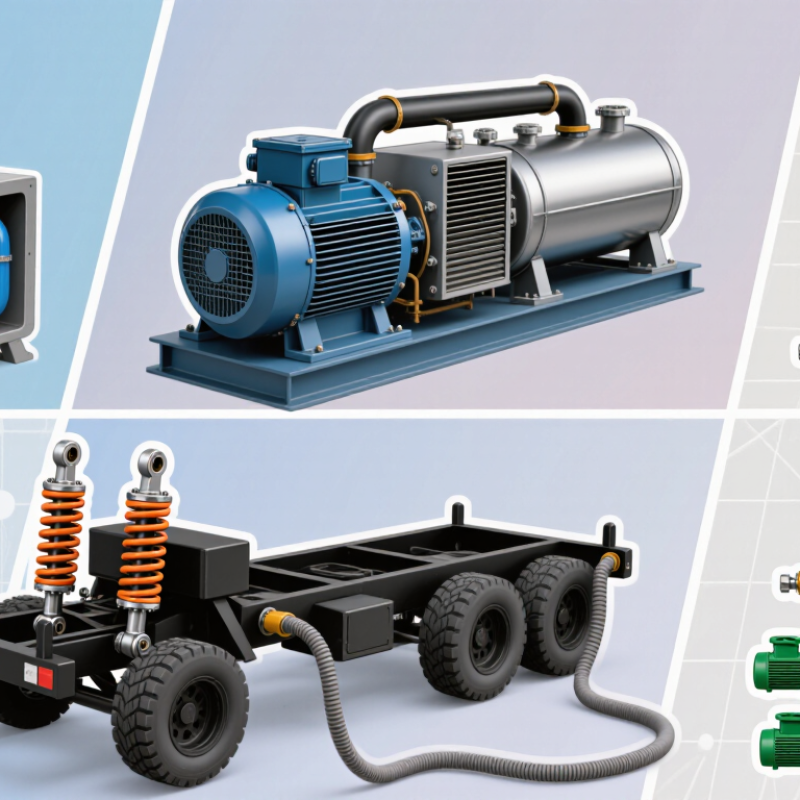
Buyers typically compare compact power packs, modular central units, and mobile hydraulic units. Compact power packs suit lift tables, small presses, and machinery with limited installation space. Modular units support several machines from one location, but piping and heat management need careful planning. Mobile units serve equipment that works across changing sites. Each type has trade-offs.

Grand View Research’s 2024 Hydraulic Equipment Market report estimated the global market at USD 43.6 billion in 2023, with projected annual growth of 4.3% through 2030. This points to continued demand, not a universal best choice. Match flow rate, pressure, duty cycle, fluid temperature, and local service access to the application. Heat matters. A unit that meets peak pressure may still overheat during long operating cycles. Real operating data is often incomplete, so sizing assumptions deserve review before purchase.

Tips: Ask for the pump curve, reservoir capacity, filtration rating, and noise data. Compare maintenance access, not only purchase price. A compact unit can save floor space, yet leave little room for cooling or repairs. That is an easy detail to miss.

How to Match a Hydraulic Unit Type to Your Application

2026 Top Hydraulic Unit Types for Global Buyers

Match the unit to its duty cycle, available space, and maintenance conditions. Start with the load. A compact integrated unit suits light-duty equipment where floor space is tight and access is simple. A reservoir-based power unit is more practical for longer operating cycles, higher heat loads, or easier component servicing. For variable demand, a variable-speed drive can reduce unnecessary motor operation, but its controls and commissioning add complexity. There is no perfect catalog match. Real installations have awkward constraints, such as narrow service doors or inconsistent ambient temperatures.

The U.S. Department of Energy’s Improving Pumping System Performance sourcebook reports that pumping systems use nearly 20% of global electricity and can account for 25–50% of energy use in some industrial plants. These figures cover pumping systems broadly, not hydraulic power units alone. Still, they make energy demand worth checking when selecting a unit for frequent, changing loads. For short bursts of high flow, an accumulator-assisted arrangement may help meet peak demand; verify pressure, cycle frequency, and heat dissipation before specifying it. Apply ISO 4413 safety principles, and confirm filtration, fluid compatibility, and service access with the equipment maker. Noise matters. So does where the maintenance technician must stand.

2026 Top Hydraulic Unit Types for Global Buyers

How to Match a Hydraulic Unit Type to Your Application

Example design pressures are representative selection points, not fixed limits. Compact power packs suit space-constrained, intermittent duties; mobile units serve vehicle-mounted equipment; industrial units support fixed machinery; and high-pressure units suit applications requiring elevated pressure. Confirm pressure, flow, duty cycle, and component ratings for your application.

Industry Uses and Global Buying Considerations

Hydraulic power units support very different jobs. In construction, they drive compactors, lifting platforms, and equipment attachments where space is tight and loads change quickly. Agricultural machinery needs dependable flow for steering and implements, often amid dust, vibration, and seasonal temperature swings. In factories, units may run presses or clamping systems through repeated cycles. Loads vary. Heat matters.

A useful purchase starts with the machine’s required pressure, flow rate, duty cycle, and available installation space. A unit sized only by maximum pressure may respond poorly if its pump cannot deliver the needed flow. Buyers operating across regions should also confirm motor voltage and frequency, fluid suitability for local temperatures, control options, and the documentation required for installation. Shipping dimensions and access to replacement filters, seals, and pumps can affect long-term uptime as much as the initial price.

Ask suppliers for performance data under realistic operating conditions, not just headline ratings. Check noise levels, cooling capacity, reservoir access, and service intervals against the actual worksite. Local technicians may not know an unfamiliar configuration, which is easy to overlook during procurement. A detailed specification still cannot predict every site condition, so allow room for review after installation and commissioning.

2026 Top Hydraulic Unit Types for Global Buyers - Industry Uses and Global Buying Considerations

Hydraulic Unit Type Typical Configuration Common Industry Uses Indicative Operating Range Key Advantages Buying Considerations
Fixed-Speed Electric Hydraulic Power Unit Electric motor driving a fixed-displacement gear or vane pump, usually with a reservoir, relief valve, and filtration. Machine tools, presses, lift tables, material-handling equipment, and general industrial machinery. Common configurations span approximately 5–250 L/min and 70–250 bar; actual limits depend on pump, motor, and duty cycle. Simple controls, widely available components, and straightforward maintenance. Confirm local supply voltage and frequency, motor enclosure and phase, continuous or intermittent duty, reservoir capacity, cooling needs, and compatibility with the machine’s required flow and pressure.
Variable-Displacement, Load-Sensing Unit Typically uses a variable-displacement piston pump that adjusts output to demand; often paired with load-sensing controls. Mobile machinery, injection-moulding equipment, industrial presses, and systems with changing actuator demand. Many applications operate around 10–500 L/min and 140–350 bar, with the design selected for the required working cycle. Can reduce throttling losses and heat when demand varies; provides flexible flow control. Check the control interface, standby pressure, response requirements, oil cleanliness, operating temperature, and availability of trained service support and replacement parts.
Engine-Driven Hydraulic Power Unit Diesel or gasoline engine coupled to a hydraulic pump, with controls and a tank arranged for mobile or remote operation. Construction and agricultural equipment, remote maintenance, emergency work, and sites without reliable electrical power. Configurations commonly cover approximately 20–500 L/min and 100–350 bar; output varies substantially by engine and pump selection. Independent of grid power and suitable for outdoor or mobile applications. Assess fuel availability, emissions rules, noise limits, ambient temperature, engine service intervals, transport requirements, and local regulations for the destination market.
Compact DC or Battery-Powered Unit DC motor and compact pump assembly, often supplied with a small reservoir and directional or lowering valves. Tail lifts, small lifting platforms, mobile equipment, emergency lowering systems, and intermittent-duty machinery. Typical compact systems may deliver about 1–30 L/min at 100–250 bar, depending on battery voltage, motor rating, and duty cycle. Compact installation and operation where AC power is unavailable or impractical. Match voltage and battery capacity; check peak current, duty cycle, thermal limits, charging arrangements, connector type, and safe lowering or emergency functions.
Servo- or Proportional-Controlled Unit Uses variable-speed electric drive, proportional valves, or servo controls to regulate pressure, flow, or motion. Precision presses, test rigs, automated production lines, and equipment requiring repeatable motion profiles. Application-dependent; commonly selected within roughly 5–300 L/min and 70–350 bar. Accurate control and potential energy savings when output can follow variable demand. Verify control-system compatibility, feedback sensors, electrical protection, commissioning expertise, EMC requirements, and the availability of software and technical support.
Accumulator-Charging Hydraulic Unit A pump charges one or more hydraulic accumulators; stored fluid supplies short-duration or peak flow demands. Clamping systems, emergency actuation, intermittent presses, and applications with brief high-flow events. Pump output may range from about 5–150 L/min, with system pressure often selected in the 100–350 bar range. Peak flow depends on accumulator sizing and pre-charge. Can meet short peak-demand periods without sizing the pump for the full instantaneous flow. Specify peak flow and duration, cycle frequency, accumulator volume and pre-charge, pressure-vessel compliance, isolation and discharge provisions, and inspection requirements for the destination market.

Operating ranges are indicative examples, not universal ratings. Confirm the pump curve, motor or engine rating, fluid, temperature, duty cycle, and component limits for the specific application.

Global Buying Considerations
Consideration What to Confirm Before Ordering
Performance requirements Required pressure, flow, actuator speed, peak demand, operating cycle, and whether simultaneous movements are required.
Electrical or engine compatibility For electric units, confirm voltage, frequency, phase, starting current, and local electrical protection. For engine-driven units, confirm fuel, emissions, and noise requirements.
Fluid and operating environment Specify hydraulic-fluid type, viscosity range, ambient temperature, contamination-control needs, corrosion exposure, and any indoor or outdoor restrictions.
Installation and interfaces Check mounting dimensions, tank position, port sizes and thread standards, hose connections, electrical connectors, ventilation, and access for maintenance.
Safety and compliance Review applicable local machinery, electrical, pressure-system, emissions, and workplace-safety requirements. Include pressure relief, guarding, emergency stops, and safe maintenance provisions as appropriate.
Lifecycle support Confirm documentation language, spare-parts availability, service capability, warranty terms, maintenance intervals, expected noise, energy use, and total cost of ownership.
Back To Top