China Top 10 Electric Valve Manufacturers for Global Buyers?
Electric valves have become essential in water treatment, HVAC, power generation, chemical processing, and automated manufacturing. Global buyers now expect reliable control, lower energy use, and faster maintenance. The International Energy Agency reports that global electricity demand will continue rising through 2026, increasing investment in grids, industrial facilities, and energy infrastructure. These projects create sustained demand for dependable flow-control equipment, including electrically actuated valves.
Market reports show strong growth, but their numbers require careful interpretation. Grand View Research and MarketsandMarkets track related segments such as industrial valves, electric actuators, and process automation equipment. Their definitions differ, so published market values are not directly comparable. That matters. A buyer should not select a manufacturer from market size claims alone. Certification, pressure testing, actuator accuracy, enclosure protection, and after-sales support deserve closer attention.
This guide introduces ten Chinese electric valve manufacturers serving international projects. The selection considers manufacturing experience, product range, export capability, testing practices, and application knowledge. Relevant standards may include ISO 9001, ISO 5211, IEC requirements, and appropriate pressure or safety certifications. Field experience also matters. A valve operating beside a boiler behaves differently from one installed in a clean-water plant. No ranking is perfect. Some suppliers communicate well but provide limited documentation. Others offer strong engineering yet need improvement in global service response. Buyers should verify factory audits, test reports, material traceability, warranty terms, and local compliance before placing orders. These practical checks can turn a promising supplier list into a safer purchasing decision.
What Defines a Leading Chinese Electric Valve Manufacturer?
A leading Chinese electric valve manufacturer is defined by more than production volume. It combines field experience, controlled engineering, and honest technical communication. Engineers should understand media, pressure, temperature, cycle frequency, and actuator torque before suggesting a valve. A water valve and a corrosive chemical valve cannot share the same assumptions. Small details matter. Thread quality, stem alignment, sealing material, and enclosure protection often decide service life. Experienced teams can explain these choices with drawings, test records, and practical failure examples.
Reliable manufacturing begins with traceable materials and repeatable assembly. Buyers should look for documented inspections, pressure testing, electrical checks, and calibrated instruments. Clear identification on each unit makes future maintenance faster. A capable supplier also provides wiring diagrams, installation guidance, spare-part information, and realistic response times. Certifications may support trust, but they should match the actual model and application. A certificate alone proves little. Evidence matters. Factory audits, sample testing, and reference projects offer stronger evidence.
The best manufacturers adapt without treating customization as guesswork. They confirm voltage, control signal, connection standard, ambient conditions, and required fail position before production. They also test complete valve-and-actuator performance, not only individual components. Delivery speed can hide weak documentation or inconsistent batches. Even experienced factories make mistakes, especially when specifications change late. What matters is how openly they correct them, record the cause, and prevent repetition. Global buyers need a partner that protects performance after shipment, not merely a low quotation.
China Top 10 Electric Valve Manufacturers for Global Buyers? - What Defines a Leading Chinese Electric Valve Manufacturer?
Anonymized comparison based on commonly verifiable product, certification, engineering, quality-control, and export-readiness criteria.
| Rank |
Anonymized Manufacturer |
Primary Product Coverage |
Typical Electric Actuator Torque |
Typical Valve Size Range |
Common Pressure Range |
International Standards |
Quality Certifications |
Environmental Protection |
Customization Capability |
Export Support |
Overall Score |
| 1 |
Manufacturer Profile 01 |
Ball, butterfly, gate, globe |
50–10,000 N·m |
DN15–DN600 |
PN10–PN40 |
ISO, IEC, API |
ISO 9001 |
IP65–IP68 |
High |
Strong documentation and OEM support |
92/100 |
| 2 |
Manufacturer Profile 02 |
Ball, butterfly, gate |
30–6,000 N·m |
DN15–DN500 |
PN10–PN40 |
ISO, IEC, API |
ISO 9001 |
IP65–IP67 |
High |
Multilingual technical support |
90/100 |
| 3 |
Manufacturer Profile 03 |
Butterfly, ball, control |
20–5,000 N·m |
DN25–DN600 |
PN10–PN25 |
ISO, IEC, EN |
ISO 9001 |
IP65–IP67 |
High |
Private-label and packaging options |
88/100 |
| 4 |
Manufacturer Profile 04 |
Ball, butterfly, gate |
25–4,000 N·m |
DN15–DN400 |
PN10–PN40 |
ISO, IEC, DIN |
ISO 9001 |
IP65–IP67 |
Medium–High |
Standard export documents |
86/100 |
| 5 |
Manufacturer Profile 05 |
Butterfly, ball, wafer |
20–3,000 N·m |
DN25–DN500 |
PN10–PN25 |
ISO, IEC, EN |
ISO 9001 |
IP65–IP67 |
Medium |
Competitive export pricing |
84/100 |
| 6 |
Manufacturer Profile 06 |
Ball, butterfly, globe |
15–3,000 N·m |
DN15–DN300 |
PN10–PN40 |
ISO, IEC, DIN |
ISO 9001 |
IP65–IP67 |
Medium |
Application-specific selection support |
82/100 |
| 7 |
Manufacturer Profile 07 |
Butterfly, ball, sanitary |
10–2,500 N·m |
DN15–DN400 |
PN10–PN25 |
ISO, IEC, 3-A options |
ISO 9001 |
IP65–IP67 |
Medium–High |
Food, beverage, and water applications |
80/100 |
| 8 |
Manufacturer Profile 08 |
Ball, butterfly, plastic-lined |
10–2,000 N·m |
DN15–DN300 |
PN10–PN16 |
ISO, IEC, EN |
ISO 9001 |
IP65–IP67 |
Medium |
Corrosion-resistant material options |
78/100 |
| 9 |
Manufacturer Profile 09 |
Ball, butterfly, compact valves |
8–1,500 N·m |
DN15–DN250 |
PN10–PN16 |
ISO, IEC |
ISO 9001 |
IP65–IP67 |
Medium |
Small-batch and standard OEM orders |
75/100 |
| 10 |
Manufacturer Profile 10 |
Butterfly, ball, basic isolation |
8–1,200 N·m |
DN25–DN250 |
PN10–PN16 |
ISO, IEC |
ISO 9001 |
IP65 |
Standard |
Basic export and after-sales support |
72/100 |
Evaluation dimensions:
product breadth, actuator torque range, valve size and pressure capability, applicable standards, quality management, enclosure protection, engineering customization, technical documentation, export support, and after-sales service.
Buyer verification:
request current certificates, material reports, pressure-test records, torque curves, wiring diagrams, IP-test evidence, sample approval, and project references before placing an order.
China’s Top 10 Electric Valve Manufacturers at a Glance
China’s Top 10 Electric Valve Manufacturers at a Glance
China’s electric valve sector serves water treatment, power, chemical processing, HVAC, and general automation. The International Energy Agency reported that global clean energy investment could reach 2 trillion dollars in 2024. This expansion increases demand for reliable flow-control equipment. Industry reports also estimate steady growth in the global industrial valve market through 2030. Public forecasts differ, however. A ranking is never perfect.
This at-a-glance review compares ten Chinese manufacturers through practical buyer criteria. These include electric actuator torque, valve materials, enclosure ratings, control accuracy, testing records, and export experience. Factory audits should confirm what brochures promise. Look for ISO 9001 systems, traceable pressure tests, and documented fail-safe performance. For outdoor installations, IP65 may be insufficient in harsh coastal environments. IP67 or higher can offer better protection, but application conditions still matter. Response time, replacement parts, and technical support often affect lifecycle cost more than the purchase price.
Tips: Request three recent project references. Check certificates directly. Ask for test videos. Confirm voltage, signal type, flange standards, and ambient temperature before ordering. Do not compare prices alone. A cheaper actuator may consume more energy or require earlier maintenance. Reports from the International Society of Automation emphasize the value of documented instrumentation practices, yet smaller suppliers may present limited public data. That gap deserves careful questioning.
Product Range and Industry Applications of the Top Manufacturers
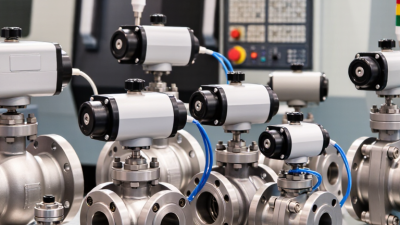
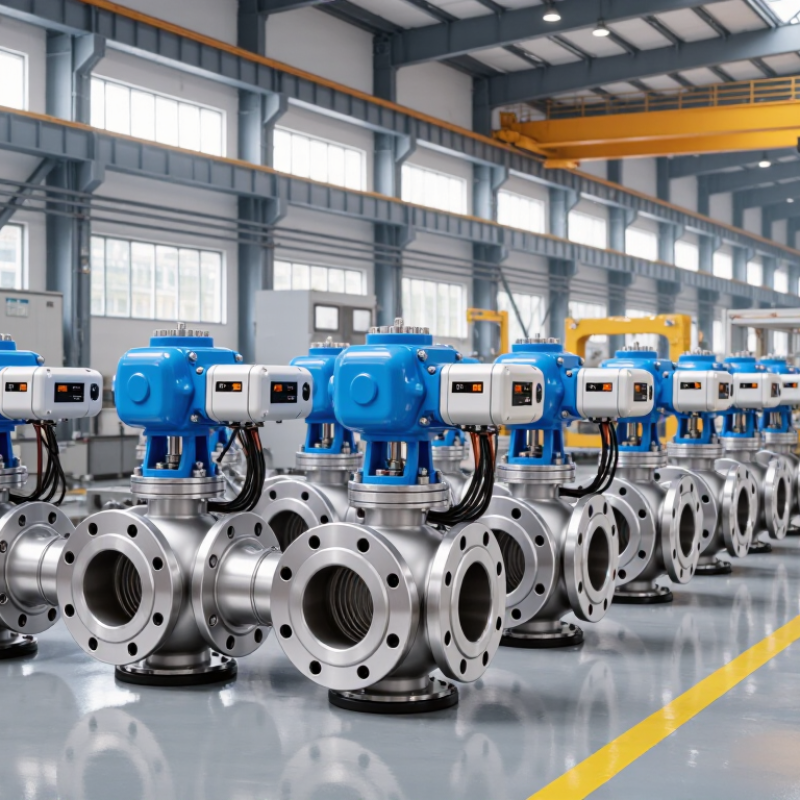
China’s leading electric valve manufacturers serve diverse industrial requirements through broad, configurable product ranges. Their catalogs commonly include electric ball valves, butterfly valves, gate valves, globe valves, wafer valves, and three-way control valves. Many suppliers also provide quarter-turn and multi-turn actuators, manual overrides, position feedback, and weather-resistant enclosures.
These products support water treatment plants, HVAC systems, district heating, chemical processing, food production, and general manufacturing. Stainless steel valves often suit corrosive or hygienic environments, while ductile iron and carbon steel options fit larger water and utility pipelines. Modulating valves help regulate flow, pressure, and temperature. On-off valves are better for simple isolation duties. Selection is not always straightforward. A valve may perform well in testing but fail early when the medium, pressure, or cycle frequency is misunderstood. Technical drawings, torque calculations, IP ratings, temperature limits, and applicable certifications should be checked before purchasing. Field feedback also matters, especially where maintenance access is limited.
Tips: Match actuator torque with the real valve load, not only the nominal pipe size. Confirm voltage, control signal, fail-position requirements, and installation direction. Ask for test records and spare-part availability. Do not guess. A small mismatch can create leakage, slow response, or unnecessary downtime. Supplier claims should be compared with project conditions and independently verified where possible.
Industrial Valve Product Range: Typical ASME Pressure Classes
Global industrial valve manufacturers commonly supply ball, gate, globe, check, butterfly, control, and safety valves for oil and gas, power generation, chemical processing, water treatment, and general industrial systems. The chart shows approximate pressure equivalents for widely used ASME pressure classes; actual ratings vary by valve design, material, temperature, and applicable standard.
How to Compare Quality, Certifications, Pricing, and Support
China Top 10 Electric Valve Manufacturers for Global Buyers?
When comparing China’s top ten electric valve manufacturers, inspect quality beyond polished product photos. Ask for material certificates, pressure-test records, actuator cycle data, and traceable serial numbers. Check valve body materials, sealing performance, torque margins, and enclosure ratings such as IP65 or IP67. These details reveal whether a valve suits water treatment, heating systems, chemical processing, or outdoor pipelines.
Certifications should match your destination and application. ISO 9001 supports process control, while CE, IEC, or other regional approvals may apply to electrical components. Do not accept certificates without checking their scope and validity. Ask for drawings, wiring diagrams, calibration reports, and test samples. Small documentation gaps can create expensive installation delays. Look beyond the brochure.
Pricing needs a wider calculation. Compare actuator quality, control options, spare parts, packaging, delivery terms, and warranty coverage. A lower unit price may hide weak seals or limited technical support. Request a detailed quotation with payment terms and replacement-part pricing. Ask how quickly engineers answer sizing questions and whether remote commissioning assistance is available. Support matters during startup, not only before purchase.
My own comparison was not perfectly tidy. Some suppliers answered quickly but offered vague test evidence. Others supplied strong documents but slower communication. That difference deserves attention. Ask for references from similar projects, but verify them independently. A practical trial order can expose fit, response time, and after-sales habits before a larger contract.
A Global Buyer’s Guide to Selecting the Right Chinese Supplier
China Top 10 Electric Valve Manufacturers for Global Buyers?
A top-ten list can open the search, but it cannot confirm supplier quality. Global buyers should compare each Chinese manufacturer against the same technical checklist. Check valve type, pressure class, media compatibility, operating temperature, and actuator torque. A small mismatch can cause leakage, overheating, or early failure.
Ask for product drawings before discussing price. Confirm flange standards, wiring diagrams, enclosure ratings, and power requirements. For outdoor installations, an appropriate IP rating matters. For hazardous locations, use equipment with relevant certifications and documented compliance. Request traceable test reports, material certificates, and sample inspection records. Factory videos are useful, but they are not proof.
Supplier reliability also depends on communication. Can the engineering team explain torque margins clearly? Can quality staff identify corrective actions after a failed test? Review production capacity, lead times, spare-part support, and packaging details. One overlooked point is software or actuator parameter access; unclear settings may delay commissioning. Another is language: vague specifications create expensive assumptions.
Do not choose the lowest quotation automatically. Compare total ownership cost, including testing, freight, installation, and maintenance. A supplier may offer an attractive sample but perform differently during volume production. That risk deserves a pilot order and independent inspection. Buyers should remain critical, even when documents look complete. Mistakes happen. The best supplier is not always the largest one, but the one that explains limitations honestly and delivers consistent evidence.
 skip to Main Content