Top Biogas Purification Solutions for Global Buyers?
Biogas Purification is a critical process in the sustainable energy sector. According to Dr. Emily Carter, a leading expert in biogas technology, “Effective biogas purification can significantly enhance energy recovery.” This highlights the importance of finding effective solutions to purify biogas globally.
Investments in biogas purification technologies are growing. Companies are exploring various methods to refine the gas produced from organic materials. These methods can clean impurities, making biogas suitable for energy production. However, challenges remain. Not all solutions offer equal effectiveness or cost-efficiency.
The demand for biogas purification solutions is rising. Buyers want systems that are reliable and efficient. This growing market invites innovation but complicates purchasing decisions. Understanding specific needs is crucial. Improper choices can lead to investment losses. Hence, a careful evaluation of available technologies is essential for success in this evolving industry.
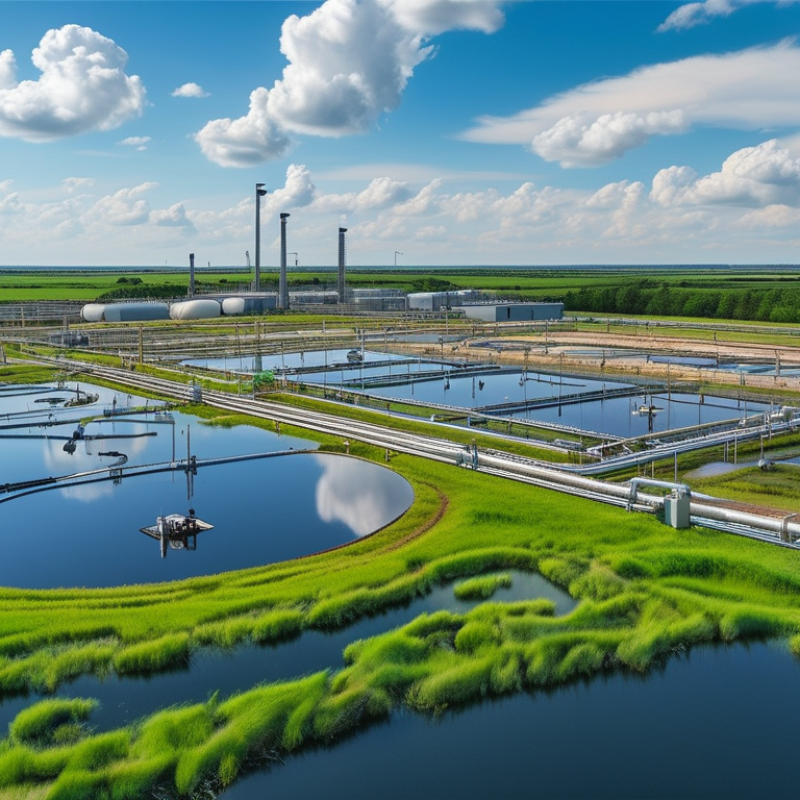
Overview of Biogas Purification Technologies in the Market
Biogas purification technologies have emerged as vital solutions in the renewable energy sector. These systems aim to enhance the quality of biogas, making it suitable for various applications. Common methods include pressure swing adsorption, water scrubbing, and membrane separation. Each method has its own advantages and limitations.
Pressure swing adsorption is effective but requires energy-intensive cycles. Water scrubbing, while efficient in removing CO2, might introduce water quality concerns. Membrane technology offers a compact solution but can face issues with fouling. It’s crucial for buyers to understand these nuances when selecting a technology.
Several factors influence technology choice. Installation cost, operational efficiency, and the specific gas composition play significant roles. Buyers must also consider maintenance needs and training for personnel. As companies innovate, keeping track of emerging solutions becomes essential. This field is constantly evolving, reflecting a mix of opportunities and challenges.
Top Biogas Purification Solutions for Global Buyers
| Technology | Efficiency (%) | Investment Cost (USD) | Operating Cost (USD/year) | Applications |
| Pressure Swing Adsorption | 90 | 500,000 | 50,000 | Biogas Upgrading for Energy Production |
| Membrane Separation | 97 | 750,000 | 60,000 | Wastewater Treatment, Landfill Gas Treatment |
| Water Wash | 85 | 300,000 | 30,000 | Agricultural Digesters, Biogas Plants |
| Chemical Scrubbing | 90 | 400,000 | 40,000 | Industrial Applications, Biogas Upgrading |
| Cryogenic Separation | 98 | 1,000,000 | 100,000 | Natural Gas Substitution |
Key Players in Biogas Purification Systems for Global Buyers
The biogas purification market is rapidly evolving, driven by increased demand for clean energy solutions. Key players in this sector are introducing innovative purification technologies that significantly enhance biogas quality. Recent reports indicate that the global biogas market size is projected to reach $28 billion by 2027, emphasizing the urgency for effective purification systems.
Various companies are focusing on removing impurities from biogas, such as carbon dioxide and hydrogen sulfide. For example, membranes and absorption techniques are gaining traction. Data from industry experts highlight the importance of reducing methane loss during the purification process, as even slight inefficiencies can diminish overall energy outputs.
While advancements are noteworthy, challenges persist. The high initial costs of advanced systems deter some potential adopters. Also, knowledge gaps about the technology may limit market growth. Addressing these barriers is critical for expanding the adoption of biogas purification solutions globally. The industry continues to reflect on how best to make technologies accessible and affordable for a wider audience.
Top Biogas Purification Solutions
This chart illustrates the effectiveness of various biogas purification technologies used globally. The data represents the removal efficiencies of key contaminants in biogas, which are critical for ensuring high-quality end products.
Comparative Analysis of Biogas Purification Methods
Biogas purification is a critical process that enhances biogas quality for energy use. Various methods exist, each with distinct advantages and challenges. Membrane separation, for example, effectively removes CO2 and other impurities. It's efficient, yet the initial costs can be high. Users must evaluate if the investment aligns with their needs.
Another popular technique is pressure swing adsorption (PSA). PSA boasts relatively low operational costs. It’s suitable for medium to large-scale operations. However, it may require extensive maintenance. This ongoing upkeep could deter smaller businesses or startups. While effective, this method is not without its complexities.
Chemical scrubbers utilize liquid absorbents to capture contaminants. This method is simple and effective for various scales. Yet, they often require frequent replacement of absorbents, which can lead to ongoing expenses. Each purification method has its trade-offs. Buyers need to weigh these factors carefully to find the best fit for their specific situation.
Economic Considerations for Implementing Biogas Purification Solutions
Implementing biogas purification solutions involves various economic considerations. The initial investment can be high. However, long-term savings often outweigh these costs. Many plants need to evaluate their specific needs before choosing a solution. This approach helps in optimizing expenditure and maximizing efficiency.
Operating costs also play a vital role. Maintenance and energy consumption are critical factors. Efficient systems can reduce these costs significantly. For many facilities, calculating return on investment is essential. It can take time to see the benefits. Flexibility in the technology used can also impact the overall economic picture. Adaptable systems may address varying scales of production.
Financial incentives are available in many regions. Grants and subsidies can ease the financial burden of implementation. However, navigating these options often requires expertise. This complexity can deter some from pursuing biogas purification. Understanding local regulations is crucial. Each region has its unique set of financial landscapes.
Future Trends in Biogas Purification for Sustainable Energy Solutions
Biogas purification plays a crucial role in the transition towards sustainable energy solutions. The demand for cleaner energy sources is rising globally. Purifying biogas improves its quality. This enhances its use in various sectors, such as transportation and power generation. However, effective purification presents its challenges. Current technologies need continuous improvement to meet increasing efficiency standards.
Innovative methods are emerging to enhance biogas purification. Membrane technology, for instance, shows promise. This method selectively separates impurities, providing high-quality biogas. However, it requires significant investment and expertise. The integration of artificial intelligence in monitoring systems is another trend. AI can optimize processes and predict maintenance needs, reducing costs. Still, there is a learning curve involved for operators.
Embracing these trends calls for a commitment to research and collaboration. Industry stakeholders must work together to share knowledge. Regulatory frameworks also need to adapt to support innovation. While the path is not always clear, the potential for sustainable energy solutions is substantial. The journey of improving biogas purification will require patience and persistence from all players involved.
 skip to Main Content
