 skip to Main Content

Top 10 Truck Wheel Manufacturers in China
Choosing a Truck Wheel manufacturer involves more than comparing prices or browsing product photos. For fleet operators, distributors, and vehicle builders, the wheel must match the axle, tire, load rating, and working conditions. A mismatch can create costly delays, even when the product looks right. Small details matter.
This guide introduces ten manufacturers in China and offers a practical starting point for supplier research. It considers factors such as product range, material options, manufacturing experience, quality documentation, and export support. Buyers may also want to ask about rim dimensions, bead-seat specifications, surface finishes, inspection procedures, and sample availability. A clear answer is useful; a current test report is better.
The list should not be treated as a universal ranking or a guarantee of performance. Supplier capabilities, lead times, and product specifications can change. Verify claims directly, request documents for the exact wheel model, and confirm compatibility with qualified vehicle or tire professionals. That extra step takes time. It can prevent an expensive mistake.
Manufacturers may serve different needs, from replacement wheels for regional fleets to customized designs for specific applications. Compare their strengths against your own operating conditions, including road surfaces, payloads, and maintenance schedules. Some details are easy to overlook. We may overlook them, too. Use the profiles below to build a shortlist, then assess each supplier with consistent questions and evidence rather than broad promises.
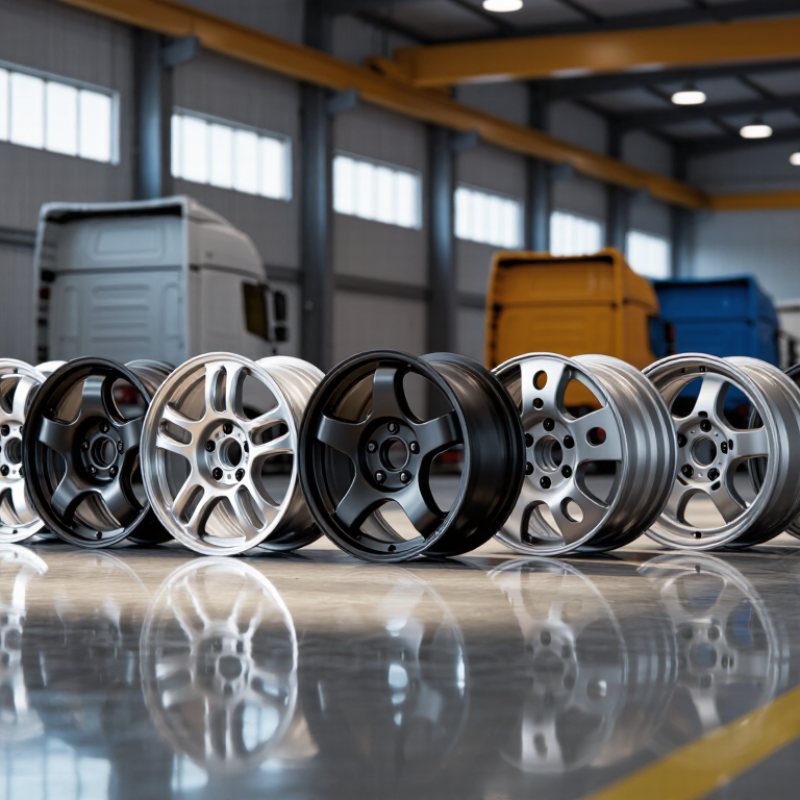
China’s Truck Wheel Industry: Products and Market Scope
China’s truck-wheel industry serves original-equipment production and replacement demand, with products shaped by load, road conditions, and operating costs. Its core range includes steel wheels for heavy-duty use and lighter aluminium wheels where payload efficiency matters. Tubeless designs are also common in modern truck applications. Details matter: bolt pattern, rim width, offset, and load rating must match the vehicle and tyre. A wheel can look suitable yet still be wrong.
Demand broadly follows vehicle activity. The China Association of Automobile Manufacturers reported 4.031 million commercial vehicles sold in 2023, up 22.1% year on year; sales eased to 3.871 million in 2024, down 4.5%. These figures include buses, so they are a market indicator, not a direct measure of truck-wheel demand. That distinction is easy to miss. For buyers, the market spans factory supply, fleet replacement, and export orders, each with different requirements for durability, weight, and lead time. Public data on wheel-specific output is limited, so market estimates should be treated cautiously. A plain steel wheel may still be the practical choice for a rough, high-mileage route.
| No. | Truck Wheel Product Segment | Typical Nominal Size Examples | Common Material and Construction | Typical Vehicle or Use | Market Scope |
|---|---|---|---|---|---|
| 1 | Light commercial vehicle wheels | 17.5 × 6.00 in | Steel; formed rim and wheel disc joined by welding | Light trucks and selected urban commercial vehicles | Vehicle original equipment and replacement markets |
| 2 | Medium-duty truck wheels | 19.5 × 6.75 in | Steel; welded wheel assembly | Medium-duty trucks, buses, and delivery fleets | Domestic fleet supply and international replacement demand |
| 3 | Regional-haul truck wheels | 22.5 × 7.50 in | Steel or aluminum, depending on vehicle specification | Regional transport and selected medium-duty applications | OEM fitment and replacement sales |
| 4 | Common heavy-truck steel wheels | 22.5 × 8.25 in | Steel; formed rim with a welded disc | Heavy trucks and trailers using compatible tires and hubs | High-volume commercial vehicle and aftermarket applications |
| 5 | Wide-base heavy-truck wheels | 22.5 × 9.00 in | Steel or aluminum; specification varies by vehicle | Heavy-duty trucks and selected trailer configurations | OEM and replacement markets, subject to vehicle fitment |
| 6 | Wide-base trailer wheels | 22.5 × 11.75 in | Steel or aluminum wheel designs | Trailers and other heavy commercial vehicles with matching fitment | Trailer production and fleet maintenance |
| 7 | Heavy-duty wide wheel configurations | 22.5 × 12.25 in | Steel or aluminum, selected to meet the vehicle’s load and fitment requirements | Specific heavy-truck and trailer applications | Specialized OEM orders and replacement demand |
| 8 | Wide single-wheel configurations | 22.5 × 14.00 in | Typically a purpose-designed steel or aluminum wheel | Vehicles engineered for compatible wide single tires | Specialized heavy-vehicle applications; compatibility must be verified |
| 9 | Alternative-diameter heavy-truck wheels | 24.5 × 8.25 in | Steel or aluminum, subject to the vehicle’s original specification | Heavy trucks and trailers designed for this diameter | Regional OEM and replacement markets where the size is specified |
| 10 | Lightweight aluminum truck wheels | Common examples include 22.5 × 8.25 in and 22.5 × 9.00 in | Cast or forged aluminum designs are available in the commercial wheel market | Heavy trucks seeking lower wheel mass, where approved by the vehicle specification | OEM and replacement channels; product availability varies by size and fitment |
| Note: This table describes common truck-wheel product segments and market uses; it does not rank or identify individual manufacturers. Sizes are nominal examples, and actual fitment, load rating, offset, bolt pattern, and material must be checked against the vehicle and wheel specifications. | |||||