China Top 10 Printing Equipment Manufacturers?
China has become a major production base for modern Printing Equipment, serving packaging, commercial, label, textile, and industrial applications. Its manufacturers offer offset presses, digital printers, flexographic systems, gravure machines, laminators, die cutters, and complete finishing lines. For buyers, the challenge is not finding suppliers. It is identifying companies that consistently deliver stable output, practical support, and measurable value.
This guide explores China’s top 10 printing equipment manufacturers through their product strengths, technical experience, market reputation, and service capabilities. Attention will focus on press accuracy, production speed, automation, energy use, material compatibility, and after-sales response. A machine may look impressive in a showroom, yet daily performance depends on calibration, operator training, spare parts, and software reliability. Small details matter.
Real-world evaluation is essential. Sample printing, factory audits, reference checks, and warranty reviews can reveal more than marketing claims. Some manufacturers excel in large-scale packaging production, while others suit flexible customization or mid-sized print shops. The ranking should therefore be viewed as a practical comparison, not an absolute verdict. Requirements differ. Budgets change. Even experienced buyers can overlook maintenance costs or installation conditions. This article aims to provide a balanced starting point for further research, with clear information that helps readers compare capabilities and make more confident purchasing decisions.
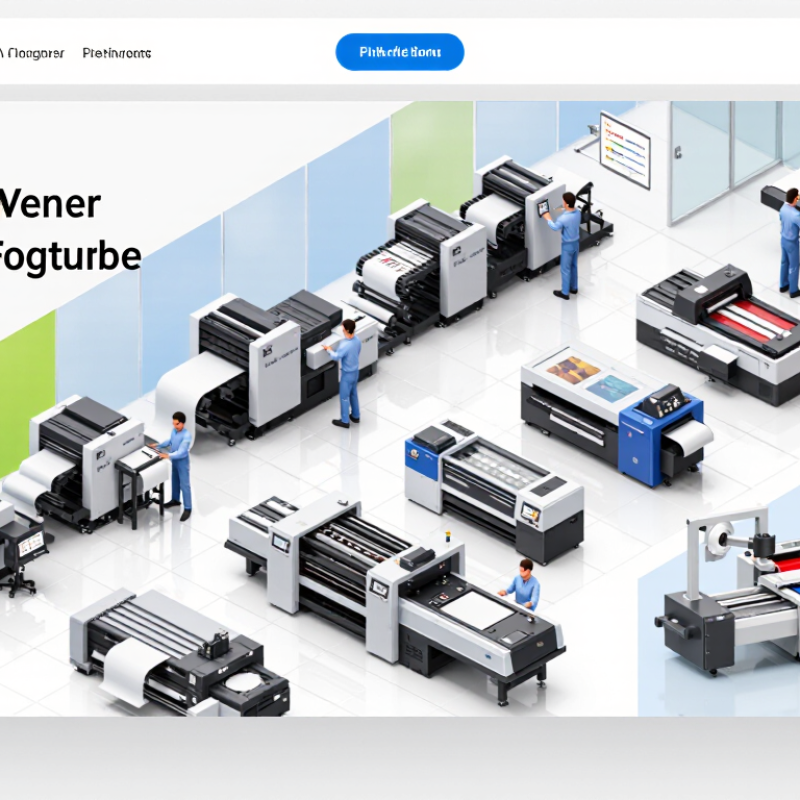
What Defines a Leading Printing Equipment Manufacturer in China?
China’s top printing equipment manufacturers are defined by more than production scale. A leading supplier combines reliable engineering, stable output, and practical after-sales support. In factory visits, small details often reveal more than polished brochures. Clean control cabinets, consistent assembly, and accessible replacement parts show operational discipline. Equipment should maintain accurate color, feeding, cutting, or finishing performance across long production cycles. Testing records matter too. A serious manufacturer can explain how machines perform under different materials, speeds, and humidity levels.
Technical expertise must be visible in the design. Efficient energy use, user-friendly controls, and safe maintenance access reduce daily pressure on operators. Strong manufacturers also provide installation training, operating manuals, remote assistance, and measurable response times. Their engineers should understand real production problems, not only machine specifications. However, no supplier is perfect. Some machines may perform differently after installation, especially when materials or workshop conditions change. Honest communication about these limits builds more trust than exaggerated claims. Independent certifications, customer references, and documented quality procedures add further reliability.
Tips: Ask for a live production test using your actual material. Check noise, waste, setup time, and finished quality. Request maintenance schedules and spare-part availability in writing. Speak with existing users when possible. A factory may look impressive, yet weak service can become expensive later. Verify both performance and support before making a decision.
China’s Printing Equipment Industry: Market Scope and Key Segments
China’s printing equipment industry covers a broad and competitive manufacturing base. Its market serves commercial printing, packaging, labels, publishing, textiles, and industrial applications. Key segments include offset presses, digital printers, flexographic systems, gravure machines, screen equipment, and post-press solutions. Packaging remains a major demand driver, especially for cartons, flexible materials, and short-run labels.
When evaluating China’s top ten printing equipment manufacturers, buyers should examine more than production volume. Engineering experience, machine stability, automation, energy use, and after-sales support matter greatly. A factory visit can reveal details that brochures miss, such as assembly accuracy, spare-part storage, and testing procedures. Some market data is difficult to compare because companies classify equipment differently. That deserves caution. Performance may also change between coated paper, recycled stock, film, and specialty substrates.
Tips: Match the equipment with your real order mix. Check sample output using your own materials. Ask about installation training, maintenance intervals, control-system updates, and local technical support. Request measurable data for speed, waste, power consumption, and registration accuracy. Do not select a supplier only because its machine looks advanced. A lower-cost system may create higher operating expenses when operators need extra adjustments. Pilot testing is often the most reliable step, although it can extend the purchasing schedule.
Top 10 Chinese Printing Equipment Manufacturers by Product Focus
China Top 10 Printing Equipment Manufacturers?
Top 10 Chinese Printing Equipment Manufacturers by Product Focus
A product-focused ranking is more useful than a simple sales list. China’s leading equipment makers commonly specialize in ten areas: sheetfed offset, web offset, flexographic, gravure, digital inkjet, toner-based digital, label, corrugated, post-press, and prepress systems. The China Printing Technology Association reported that China’s printing industry generated more than RMB 1.4 trillion in annual output, creating strong demand for specialized production lines.
Packaging deserves close attention. Smithers’ 2024 market outlook identifies packaging and labels as major growth engines, representing over half of global print value. Chinese manufacturers in flexographic and gravure equipment increasingly support water-based inks, short setup times, and wider substrates. Corrugated systems now emphasize automated feeding, inline inspection, and reduced waste. These details matter on a real factory floor, where a misaligned sheet can stop an entire shift.
Digital equipment is also changing procurement decisions. According to Smithers, digital print continues to expand through variable data, short runs, and customized packaging. Chinese suppliers often combine inkjet engines with local software and finishing units. Quality varies, however. A fast demonstration does not prove stable output over eight hours. Buyers should request verified samples, energy figures, service response times, and spare-parts records. This ranking method is not flawless. Product focus can hide differences in engineering depth, operator training, and long-term reliability.
China Top 10 Printing Equipment Manufacturers by Product Focus
This chart groups ten leading Chinese printing-equipment manufacturers by their primary product focus. The categories represent established segments of China's printing machinery industry; each manufacturer is counted once according to its main specialization.
Packaging and converting equipment, digital printing systems, and offset-related machinery account for the broadest product coverage in this top-ten classification. The figures indicate manufacturer count, not sales revenue or market share.
How to Evaluate and Select a Chinese Printing Equipment Manufacturer
Choosing from China’s top printing equipment manufacturers requires more than reading a ranking. A factory may show impressive machines, but performance depends on design quality, testing, and after-sales support. Request detailed specifications, production videos, test reports, and customer references from similar printing applications. Confirm the machine’s speed under real production conditions, not only its maximum rated speed. Ask how often critical parts require replacement.
Tips: Visit the factory if possible. Watch one machine running. Inspect wiring, safety guards, control panels, and assembly quality. Ask for a sample print using your material. Compare energy use, installation time, training, spare parts, and warranty coverage. A low purchase price can become expensive when support is slow or parts are difficult to source.
A reliable manufacturer should provide clear drawings, acceptance standards, and a documented service process. Check whether engineers can communicate accurately in your working language. Review export experience, certifications relevant to your market, and the company’s financial stability. Do not accept vague promises about customization. Define delivery milestones and performance penalties in the contract. Independent inspection is useful, although it cannot reveal every future problem. Leave room for technical uncertainty. A careful buyer should also compare two or three complete ownership costs, not just machine quotations.
 skip to Main Content
