Essential Tips for Understanding Flow Control Valves?
Flow control valves are critical components in various systems. They help regulate fluid flow, ensuring stable operation in machinery and processes. Understanding their function is essential for anyone working with hydraulic or pneumatic systems.
These valves come in different types, each with unique features. They can be adjusted manually or automatically, providing flexibility based on system requirements. However, not all flow control valves are created equal. Some may not perform as expected under certain conditions. This can lead to inefficiencies and increased costs.
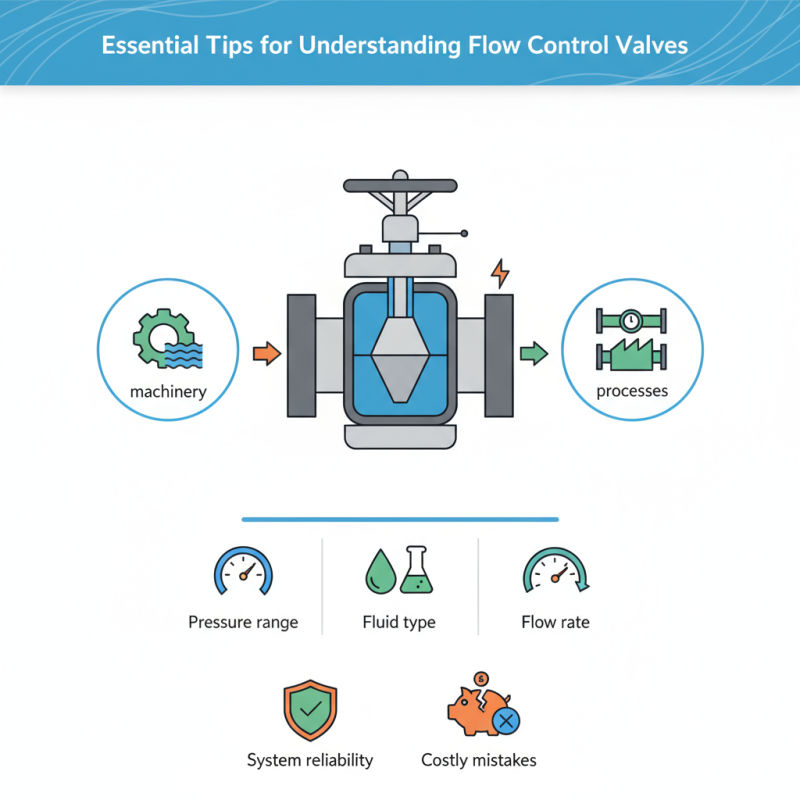
Identifying the right flow control valve for a specific application is key. Factors such as pressure range, fluid type, and flow rate matter. Failure to consider these can result in poor performance or even system failure. Thus, it’s important to critically evaluate choices. Understanding flow control valves can prevent costly mistakes and enhance overall system reliability.
Types of Flow Control Valves and Their Applications
Flow control valves play a crucial role in managing the flow of fluids within a system. Different types of flow control valves are used in various applications. Each type has unique features that make it suitable for specific requirements.
One common type is the needle valve. It allows for fine adjustments in flow rate. These valves are often used in precision instrumentation. Another popular type is the adjustable flow control valve. It provides flexibility in changing flow rates. They find their place in hydraulic systems and industrial applications.
When selecting a flow control valve, consider the specific needs of your system. Think about the pressure, temperature, and fluid type. It's essential to match the valve to the application. Remember, improper selection can lead to inefficiencies. Always test the valve after installation.
Keep in mind these tips: Always check for leakage during testing. Adjust settings to achieve desired flow conditions. Regular maintenance is vital for long-term performance. Remember, even the best valves can fail without proper care.
Principles of Operation in Flow Control Valves
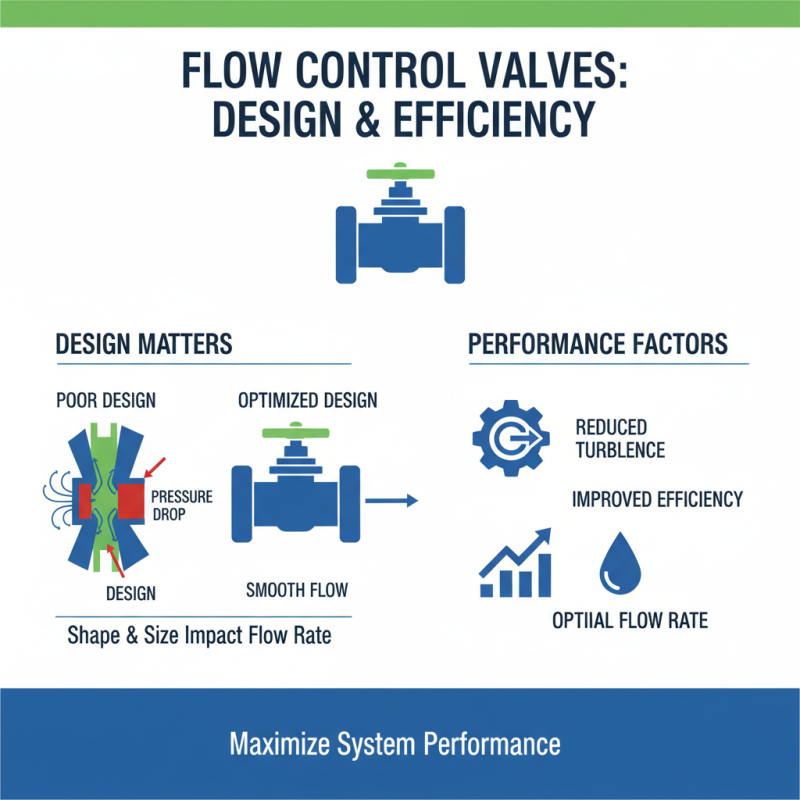
Flow control valves are critical components in various industries, regulating fluid flow with precision. Understanding their principles of operation is essential for optimizing system performance. These valves use different mechanisms to achieve desired flow rates. A common type is the proportional valve, which adjusts flow based on input signals. Research shows that using proportional flow control can improve system efficiency by up to 30%.
Another important concept is the pressure drop across the valve. Data indicates that excessive pressure drops can reduce system efficiency and increase energy consumption. Studies reveal that a 1 psi increase in pressure drop can lead to a 2% rise in energy costs. Thus, selecting the appropriate flow control valve is crucial. Many operators overlook this aspect, leading to potential inefficiencies.
Maintaining flow control valves is just as important as selecting them. Regular inspections can prevent performance issues. However, many neglect routine maintenance. A report by industry experts suggests that improper maintenance accounts for 20% of valve failures. Understanding the operation principles can help operators make informed decisions and avoid costly mistakes.
Flow Control Valves: Understanding Their Performance
This chart illustrates key performance metrics of flow control valves, including flow rate, pressure drop, response time, and energy loss. Understanding these factors is essential for optimizing the operation and efficiency of flow control systems.
Installation and Maintenance Best Practices for Flow Control Valves
When it comes to flow control valves, installation and maintenance are critical. Proper installation ensures optimal function. Start by ensuring that the valve is correctly aligned with the pipeline. Misalignment can lead to leaks and reduced efficiency. Always refer to the manufacturer's guidelines for specific instructions. It might seem tempting to skip some steps, but this could bring long-term problems.
Maintenance is equally essential for performance. Regularly check for any signs of wear, leaks, or corrosion. A visual inspection is valuable; sometimes, it reveals issues that aren’t immediately apparent. It’s important to schedule routine maintenance. Overlooking this can lead to unexpected failures. Cleaning the valve regularly can prevent blockages. If any part doesn't function well, consider replacing it sooner rather than later.
Remember, even small missteps in maintenance can lead to significant issues down the line. Take the time to reflect on your practices. Are they thorough? Are you addressing potential problems? Awareness can save time and money in the future. Understanding flow control valves is an ongoing process, not a one-time task.
Common Issues and Troubleshooting Flow Control Valves
Flow control valves are vital in various systems, but they face common issues that can hinder performance. A study by the Fluid Power Journal indicates that over 30% of hydraulic system failures are attributed to valve malfunctions. Often, these failures are due to improper adjustments or calibration. A miscalibrated valve can lead to inconsistent flow rates, causing system inefficiencies.
Another prevalent issue is leakage. The American Society of Mechanical Engineers reported that leakages from valves can result in energy losses of up to 20%. Identifying the exact source of the leak can be challenging. Sometimes, a simple visual inspection is not enough. Operators may need to use specialized tools to detect hidden leaks. Regular maintenance is crucial to prevent these issues, yet many maintenance schedules are often overlooked.
Understanding these problems is essential for maintenance. Operators should keep records of valve performance to spot trends. A sudden drop in flow rate could indicate an impending problem. The importance of timely troubleshooting cannot be understated. Troubleshooting requires both technical knowledge and patience. When issues arise, it’s best not to rush to conclusions. Take the time to examine all possible causes.
Essential Tips for Understanding Flow Control Valves
| Tip |
Description |
Common Issues |
Troubleshooting Steps |
| Understand Types |
Different types of flow control valves include needle valves, ball valves, and gate valves, each serving unique purposes. |
Incorrect valve selection can lead to inefficiency. |
Evaluate the application requirements and consult specifications before selecting a valve. |
| Regular Maintenance |
Routine checks are essential to ensure the valve operates within specified limits. |
Wear and tear can lead to leaks and reduced efficiency. |
Inspect seals, clean components, and replace worn parts as needed. |
| Monitor Performance |
Check the flow rate and pressure drop across the valve regularly. |
Performance fluctuations can indicate blockage or malfunction. |
If fluctuations are noticed, flush the system and check for blockages. |
| Understand Operating Conditions |
Know the temperature and pressure limits for each specific valve type. |
Exceeding rated conditions can lead to valve failure. |
Ensure the application conditions never exceed the specified limits. |
 skip to Main Content