7 Tips for Choosing the Right Psc Tool Holder
Choosing the right Psc Tool Holder can influence machining accuracy, tool life, and daily production stability. It is not merely a matter of matching a catalog number. The holder must suit the machine spindle, cutting tools, coolant method, and required work envelope. A small mismatch can create runout, vibration, or uneven tool wear. These problems often appear slowly, making them easy to overlook.
This guide presents seven practical tips based on common shop-floor considerations and established tooling practices. We will examine taper compatibility, clamping strength, runout control, balance, coolant delivery, maintenance, and supplier support. Each point matters. Still, no single holder is ideal for every operation. A high-speed aluminum job may need different performance from a heavy steel cut. Real results also depend on setup quality, tool condition, and operator judgment.
Look closely.
A reliable Psc Tool Holder should feel like part of the machine, not an added compromise. Check measured specifications instead of trusting appearance alone. Confirm tolerances, material quality, and test documentation when available. Experienced machinists also inspect contact surfaces for dirt, burrs, and damage before installation. These details seem minor, yet they can change cutting behavior noticeably. Some recommendations may require adjustment after testing, because laboratory claims do not always match a busy production cell. Careful trials, recorded measurements, and honest review remain the safest path toward a dependable choice.
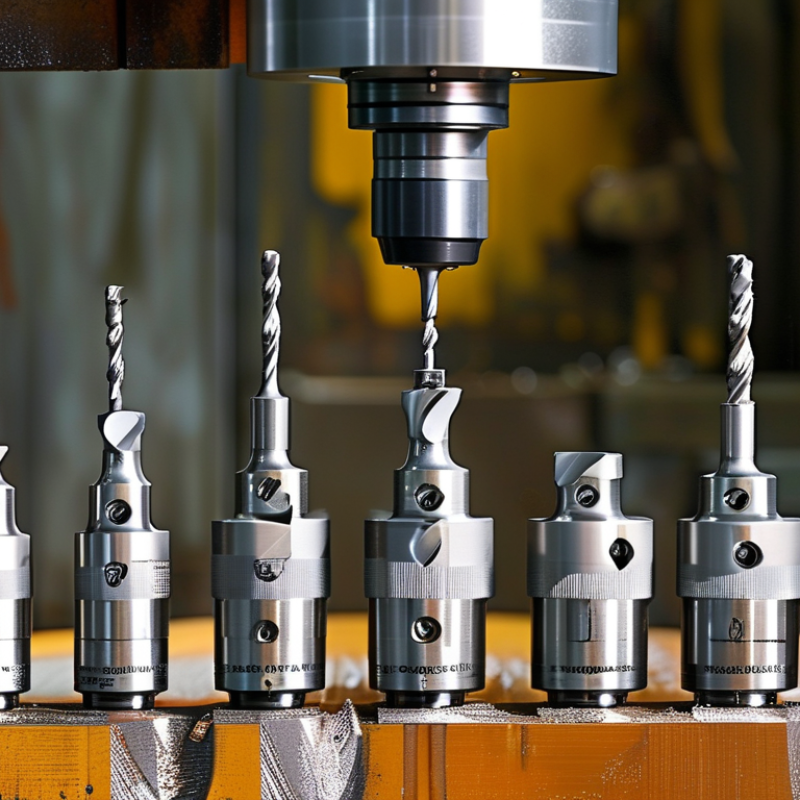
Understanding PSC Tool Holder Design and Compatibility
7 Tips for Choosing the Right PSC Tool Holder
Understanding PSC Tool Holder Design and Compatibility
The shank is the holder’s foundation. PSC designs use a polygonal contact surface for accurate radial and axial positioning. Check the exact shank size before comparing other features. A similar-looking interface may still fail inside the spindle. Fit matters.
Confirm the flange diameter, gauge length, and pull-in dimensions against the machine manual. These measurements affect reach, clearance, and automatic tool changes.
Check the retention method as well. A holder must match the spindle’s clamping mechanism, not just its outside shape. Do not guess. A small mismatch matters.
Review coolant delivery, sealing, and permissible pressure for the cutting process. Through-tool coolant requires suitable internal passages and reliable seals. Examine runout at the gripping area, especially for small-diameter tools. Balance quality also becomes more important at higher spindle speeds. Choose a holder rated for the intended speed.
Workshop inspections often reveal damage around the flange, even when the holder appears usable. That detail is easy to overlook.
I would also compare the holder’s gauge length with the toolpath, because extra projection can increase vibration. Keep the tool as short as practical.
Check the automatic tool changer pocket and adjacent clearance before purchase. A holder can meet dimensional standards yet still interfere with the machine’s changer.
Test one unit first when specifications seem incomplete. Specifications are helpful, but real machine fit can expose assumptions.
Matching Tool Holders to Machine Spindle Requirements
7 Tips for Choosing the Right PSC Tool Holder
Matching Tool Holders to Machine Spindle Requirements
Tip 1: Confirm the spindle interface before comparing holder prices. PSC interfaces follow ISO 26623-1, but machines may differ in size, flange design, and retention details. Tip 2: Check the spindle’s maximum speed, taper condition, and drawbar force. A holder rated for higher speed is not automatically safer. The 2024 World Machine Tool Survey reported global machine-tool consumption above USD 80 billion, showing how costly compatibility mistakes can become. Tip 3: Match the holder’s balance grade to the spindle speed. ISO 1940-1 balance quality, often specified as G2.5 for high-speed assemblies, provides a practical reference.
Tip 4: Measure actual runout at the cutting edge, not only at the holder nose. Some technical studies report that small runout increases can produce uneven tooth loading and shorter tool life. Tip 5: Select the shortest practical gauge length. Long projection may improve access, yet it also increases bending and vibration. I have seen operators choose clearance first, then struggle with chatter later.
Tip 6: Verify coolant delivery through the spindle, especially for deep pockets and small tools. Confirm pressure, sealing, and outlet position together. Tip 7: Inspect the spindle face and PSC contact surfaces before installation. Dirt can create false seating and unstable cutting. One detail is often missed: recheck runout after cleaning, tightening, and tool replacement. The process may feel repetitive, but spindle behavior is rarely perfectly consistent.
7 Tips for Choosing the Right PSC Tool Holder: Matching Tool Holders to Machine Spindle Requirements
PSC tool holders are identified by standardized polygonal shank sizes. The chart compares the nominal flange diameters used across common ISO 26623 PSC sizes. Select a holder that matches the machine spindle interface, then confirm gauge length, pull-in system, clearance, coolant delivery, speed rating, and tool balance requirements.
Nominal flange diameters shown: C3—31.75 mm, C4—40 mm, C5—50 mm, C6—63 mm, C8—80 mm, and C10—100 mm. Always verify the exact spindle and holder specifications before ordering.
Evaluating Clamping Accuracy, Rigidity, and Balance
7 Tips for Choosing the Right PSC Tool Holder
Evaluating clamping accuracy, rigidity, and balance starts with the interface, not the catalog photograph. Confirm the holder matches the PSC dimensions specified by ISO 12164-1. Measure taper contact and polygon seating with a calibrated gauge. A few microns matter. Check radial runout at the gauge line and near the cutting tool. ISO 230-2 separates positioning accuracy from repeatability, so do not treat one measurement as proof of both. Use a clean, dry spindle and record results at room temperature.
Rigidity needs practical testing. Compare holder overhang, tool diameter, and cutting load before selecting a shorter design. Watch for vibration marks on a test wall. They often reveal weak clamping earlier than sound alone. Check the clamping mechanism for even contact around the shank. Confirm torque with a calibrated wrench, because excessive force can distort the connection. Review balance quality under ISO 1940-1, then match it to the intended spindle speed. Balance is not optional at high rpm. Measure the complete rotating assembly, including the tool and coolant fittings. Published tooling studies commonly identify runout and imbalance as major contributors to uneven tool wear and poor surface finish.
Do not rely on one successful cut. Repeat it. Temperature, contamination, and operator technique can change results. I would also compare two holders under identical conditions, although this step is often skipped. That omission can be costly. Keep a simple inspection record with runout, torque, speed, cutting depth, and tool life. Clear data usually beats confident assumptions.
Selecting Materials, Coatings, and Manufacturing Quality
7 Tips for Choosing the Right PSC Tool Holder
Selecting materials, coatings, and manufacturing quality determines how steadily a PSC tool holder performs. Choose hardened alloy steel with controlled heat treatment. It should resist deformation under repeated clamping forces. Check the manufacturer’s material certificate and hardness range. Do not rely on appearance alone. A smooth surface can hide poor internal stress control.
Tip 1: Match the holder material to the cutting load. Heavy roughing needs strength and fatigue resistance, while finishing rewards low runout. Tip 2: Examine the coating carefully. A thin, uniform coating can reduce friction and corrosion. Excessive coating thickness may affect fit, balance, or tool position. Ask for coating thickness, adhesion testing, and temperature limits. Tip 3: Confirm dimensional accuracy against the relevant PSC or ISO specifications. Inspect taper geometry, flange contact, key locations, and pull-stud compatibility. Small errors become visible as chatter, uneven tool wear, or poor surface finish.
Manufacturing quality matters as much as material selection. Look for precision grinding, balanced assembly, and documented inspection procedures. Runout should be measured with calibrated equipment, not estimated by hand. A reliable supplier can provide inspection records for critical dimensions. I would also check the holder after cleaning and before installation. Chips or residue can create false alignment problems. This step seems minor, but it often gets skipped. One practical improvement is recording runout at several tool lengths, since performance may change farther from the spindle. No holder is perfect. Review actual cutting data, then adjust your selection.
 skip to Main Content
