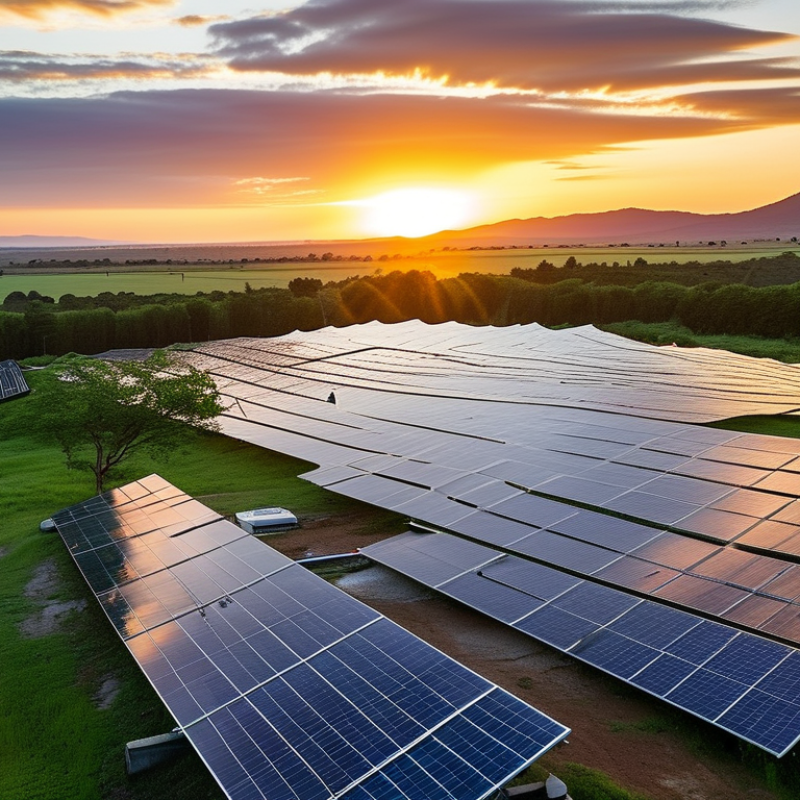
Essential Tips for Choosing Solar Thermal Panels for Your Home?
Choosing the right Solar Thermal Panels for your home can greatly impact energy efficiency. As energy expert Dr. Emily Carter states, "Investing in solar thermal technology is investing in your future." This decision requires careful consideration.
There are various types of Solar Thermal Panels available on the market. Some may not provide enough heat for colder climates. Others could be too expensive compared to the energy savings they generate. It's essential to understand your specific needs before making a choice.
When selecting Solar Thermal Panels, consider factors like installation space, local climate, and budget. While it may seem straightforward, many homeowners overlook these aspects. Reflecting on your energy requirements is critical. That can prevent costly mistakes later. Making an informed choice will ultimately save money and improve sustainability in your home.
Understanding Solar Thermal Panels and Their Benefits
Solar thermal panels are essential for harnessing solar energy efficiently. They convert sunlight into heat, providing a sustainable way to warm water for your home. Understanding their benefits is crucial for homeowners considering this technology. Solar thermal systems can significantly reduce energy bills. They also lower your carbon footprint.
When selecting solar thermal panels, consider the orientation of your roof. South-facing panels often capture the most sunlight. The size of your household will also dictate the number of panels you need. Researching local climate conditions can help you make informed decisions.
Installation is another key factor. Ensure you hire experienced professionals. A well-installed system maximizes efficiency. Panel maintenance is necessary for optimal performance. Regular checks can prevent issues and prolong longevity. Don’t overlook the importance of warranties or certifications. They add layers of security to your investment.
Factors to Consider When Selecting Solar Thermal Panels
When selecting solar thermal panels for your home, several factors come into play. The size of your home and the local climate significantly influence the efficiency of solar panels. Design your system based on your home's heating requirements. A thorough assessment can help avoid over or under-sizing your system.
Consider the panel's energy efficiency. Look for panels with a high thermal performance rating. Higher efficiency panels may have a higher initial cost but can save more on energy bills over time. Additionally, evaluate the installation process. Reliable installation ensures optimal performance, so choose experienced professionals.
When weighing your options, think about the warranties offered. A longer warranty can indicate greater reliability. Pay attention to maintenance requirements as well. Regular checks can prevent inefficiencies. Researching local regulations and rebates can provide financial benefits too. Balancing these factors will guide you toward a choice that aligns with your needs and budget.
Evaluating Different Types of Solar Thermal Systems
Choosing the right solar thermal system is crucial for maximizing energy efficiency in your home. There are mainly two types: flat-plate collectors and evacuated tube collectors. Flat-plate systems are often more affordable and easier to install. However, they perform poorly in colder climates. Evacuated tube collectors are costlier but excel in low temperatures and cloudy days, making them suitable for diverse environments.
When evaluating options, consider the energy demands of your household. Data from the U.S. Department of Energy indicates that water heating accounts for about 18% of energy use in the average home. Prioritize the system’s compatibility with your current setup. Assessing the available roof space is vital, as some systems require more space than others.
Reflect on your local climate and seasonal variations. A reliable installation can significantly improve performance. Review installations in your area for real-world insights. Experts suggest speaking with local users to gather feedback on their experiences. This approach can reveal potential issues and benefits that reports might overlook. Investing in quality installation and maintenance is essential. Your diligence will pay off in long-term energy savings.
Essential Tips for Choosing Solar Thermal Panels for Your Home
| Type of Solar Thermal System | Efficiency (%) | Cost ($/m²) | Installation Complexity | Lifespan (Years) |
| Flat-Plate Collectors | 70-80 | 50-150 | Moderate | 20-25 |
| Evacuated Tube Collectors | 75-90 | 100-250 | High | 20-30 |
| Batch Heaters | 50-70 | 30-80 | Low | 10-20 |
| Integral Collector-Storage | 60-75 | 40-120 | Moderate | 15-25 |
Assessing Installation Requirements and Costs
Choosing solar thermal panels involves understanding installation requirements and costs. The setup process can vary based on local regulations and individual property characteristics. For example, an average solar thermal system installation can range from $3,000 to $8,000, excluding any potential tax incentives. Factors influencing these costs include the type of system, collector size, and roof type. A roof that faces south and has minimal shading offers the best conditions.
Installation can also be complex. Homeowners should ensure their roofs can support the added weight of the panels. Compliance with building codes is crucial. According to a report by the Solar Energy Industries Association, nearly 30% of new installations face delays due to permit issues. Not all contractors are familiar with solar thermal systems, which adds another layer of complexity. Conducting thorough research and seeking multiple quotes can help mitigate potential pitfalls. Engaging a certified installer can ease the process, ensuring optimal performance of the system.
Finally, consider maintenance. Regular checks ensure efficiency and longevity. As reported by the National Renewable Energy Laboratory, improper maintenance can lead to a decrease in efficiency by up to 20%. Homeowners should be prepared to invest time and resources in maintaining their systems. Understanding these details will lead to a better and more informed decision when choosing solar thermal panels.
Maintenance Tips for Optimal Performance of Solar Thermal Panels
Maintaining solar thermal panels is crucial for optimal performance. Studies indicate that effective maintenance can improve efficiency by up to 25%. Regular checks ensure that dirt and leaves don't obstruct the panels. Cleaning the surface using a soft brush and mild detergent maximizes sunlight absorption.
Monitor the system for unusual noises. Strange sounds may indicate mechanical issues. Keeping the circulating pump and valves in good condition is vital. Annual professional inspections can help spot problems early, preventing costly repairs. Many experts recommend checking fluid levels and examining seals for leaks during these inspections.
While solar thermal panels are generally low maintenance, neglecting minor issues can lead to significant performance drops. Regular upkeep ensures longevity and efficiency. Be proactive about maintenance tasks to foster a continuous flow of hot water for your home. Investing in your panel’s upkeep pays off with increased energy savings and reliability.
Essential Tips for Choosing Solar Thermal Panels
 skip to Main Content