Top Tips for Choosing the Right Ptfe Fitting Pipe?
Choosing the right Ptfe Fitting Pipe is crucial for a successful plumbing project. PTFE, or polytetrafluoroethylene, is renowned for its resistance to chemicals and high temperatures. This makes PTFE fitting pipes ideal for various industrial applications. However, not all PTFE pipes are created equal.
When selecting a PTFE fitting pipe, consider the specific needs of your project. You must account for factors like pressure ratings, temperature tolerance, and the type of fluid being transported. A mismatch can lead to inefficient operations or even failures. Many professionals overlook these details, resulting in costly mistakes. It's imperative to ensure compatibility with your system.
Expertise in PTFE materials can greatly influence performance. Consult reliable suppliers and ask about testing standards. Verification of quality and standards is essential. Research can help navigate the vast options available in the market. Reflecting on past experiences can guide your decisions in selecting the right PTFE fitting pipe for your needs.
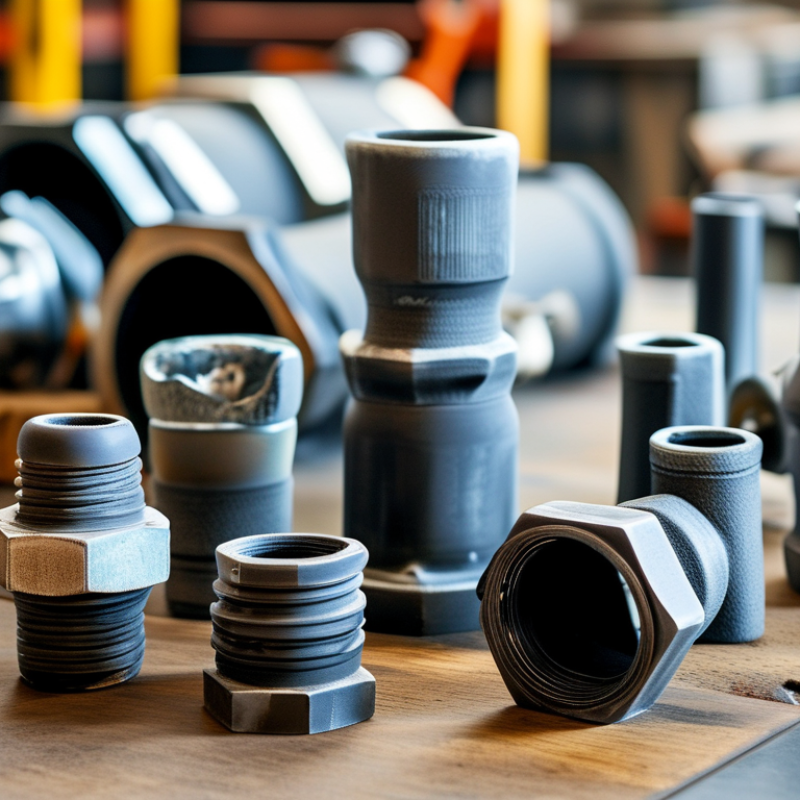
Understanding PTFE and Its Applications in Piping Systems
PTFE, or polytetrafluoroethylene, is a synthetic polymer known for its exceptional chemical resistance and thermal stability. These properties make PTFE a prime choice for piping systems in various industries. In applications where demanding conditions exist, such as chemical processing or food manufacturing, PTFE fittings and pipes ensure reliability and safety.
When selecting PTFE fittings, it's essential to consider compatibility with the intended medium. Not all PTFE can handle every substance effectively. Check the temperature and pressure ratings to avoid compromises in performance. This step can prevent costly failures in your piping system.
Another key aspect is the fitting design. Compression fittings and threaded types each have unique benefits. Ensure that the chosen design fits your installation process seamlessly. Pay attention to the installation technique, as improper installation can lead to leaks or material degradation.
In sum, understanding PTFE’s capabilities is crucial for choosing the right fitting. Mismatched materials can lead to setbacks. Always validate your choices with reliable sources and technical specifications. While PTFE offers numerous advantages, being diligent in selection and application is essential for long-lasting performance.
Identifying Different Types of PTFE Fittings and Their Uses
When selecting PTFE (Polytetrafluoroethylene) fittings, understanding their types and applications is crucial. PTFE fittings are favored in industries like chemicals and pharmaceuticals for their chemical resistance. According to a report by MarketsandMarkets, the PTFE market is expected to reach $2.34 billion by 2025, highlighting its importance.
There are several types of PTFE fittings available. For example, threaded fittings are common in plumbing. They provide a tight seal and are easy to install. Flanged fittings, on the other hand, cater to larger systems where a strong connection is necessary. They allow for the easy disconnection of pipes for maintenance. Each type serves a specific purpose, making their correct identification important.
Tip: Evaluate your system’s requirements before choosing PTFE fittings. Consider factors like pressure and temperature ratings to ensure compatibility.
Another key type is molded PTFE fittings. These are shaped during manufacturing for specific applications. They often boast fewer weaknesses than other types. However, the manufacturing process can lead to slight inconsistencies. It’s essential to source from reliable suppliers to avoid issues.
Tip: Regularly inspect your fittings. Look for signs of wear or leaks. Proactive maintenance can prevent costly downtime.
Key Factors to Consider When Selecting PTFE Fitting Pipes
When selecting PTFE fitting pipes, several critical factors come into play. One essential aspect is temperature range. PTFE can withstand temperatures up to 260°C (500°F). For applications exposing the fittings to high heat, ensure compatibility with the service temperature. According to a recent industry study, 65% of fitting failures occur due to improper temperature ratings.
Another crucial consideration is the pressure rating. The pressure capacity of PTFE pipes is vital, especially in industrial applications. Research indicates that nearly 70% of operational issues stem from fittings not rated correctly for pressure conditions. Inspect manufacturers' specifications closely and select fittings that exceed the maximum anticipated pressure to mitigate risks.
Finally, ensure the chemical compatibility of the PTFE fittings with the media being transported. PTFE is known for its excellent chemical resistance, yet certain aggressive solvents can cause damage over time. A comprehensive chemical resistance chart can be a valuable resource in making informed decisions. Keep in mind that the right choice can enhance the system's reliability and longevity, reducing potential downtime.
Evaluating Quality and Standards for PTFE Fittings
When selecting PTFE fittings, quality and standards are crucial. The manufacturing process must meet strict criteria. Look for certifications like ISO or ASTM to ensure reliability. These standards indicate that the product has been tested for safety and performance.
Evaluate the material used in the fittings. Pure PTFE is ideal because it offers superior chemical resistance. However, some products may have fillers. These can compromise quality. Checking material specifications can help you avoid less effective options.
Don’t underestimate the importance of supplier reputation. Researching feedback from actual users can provide insights into product performance. Sometimes, even well-known brands may have inconsistencies. Reading customer reviews and testimonials can highlight potential issues. They reveal both strengths and weaknesses of a product.
Installation and Maintenance Tips for PTFE Fitting Pipes
When installing PTFE fitting pipes, attention to detail is crucial. PTFE, known for its chemical resistance, provides longevity. Studies show that the failure rate of PTFE connections can drop to less than 5% with proper installation techniques. This underscores the importance of adherence to manufacturer specifications for optimal performance.
Maintenance of PTFE fitting pipes is another critical factor. Regular inspections can identify wear and tear. It’s advisable to check for any signs of leakage or degradation. Industry reports suggest that proactive maintenance can increase the lifespan of these systems by up to 30%. Cleaning procedures should be mild and avoid abrasive materials that can hasten wear.
Choosing compatible materials is essential to prevent chemical interactions. The right choice can enhance durability. Relying solely on visual checks might not suffice. A more detailed assessment is necessary to ensure integrity. Engaging experts for assessments can provide insights that might not be evident at first glance, ensuring that your PTFE systems operate effectively.
Top Tips for Choosing the Right PTFE Fitting Pipe
| Topic | Tip | Details |
| Material Selection | Opt for High-Quality PTFE | Choose fittings made from genuine PTFE for better chemical resistance and durability. |
| Size Compatibility | Check Pipe Dimensions | Ensure the fittings match the diameter and pressure ratings of your existing pipes. |
| Installation Orientation | Follow Recommended Direction | Install fittings according to the flow direction indicated on the fitting. |
| Torque Specifications | Adhere to Torque Guidelines | Use a torque wrench to tighten fittings to the recommended specifications to avoid damage. |
| Maintenance Frequency | Regular Inspections | Inspect fittings regularly for signs of wear or leaks to ensure longevity. |
| Environmental Considerations | Consider Operating Conditions | Select fittings that can withstand the specific temperature and pressure conditions of your environment. |
 skip to Main Content
