What is Stainless Steel Strips and Their Global Applications?
Stainless Steel Strips are a vital material in various industries. These thin sheets of stainless steel have diverse applications due to their excellent corrosion resistance and strength. According to a report by Grand View Research, the global stainless steel strips market is projected to reach $3.5 billion by 2027, reflecting a growing demand in automotive, construction, and manufacturing sectors.
The automotive industry uses Stainless Steel Strips for components like body panels and exhaust systems. In construction, they serve as structural reinforcements and decorative elements. Moreover, the electronics sector employs these strips in manufacturing appliances and devices. This versatility showcases the importance of Stainless Steel Strips in modern applications.
However, challenges remain. The production process can be energy-intensive. Environmental impacts, such as waste generation, must be considered. As the market grows, finding sustainable practices in stainless steel strip production is crucial. The industry needs constant innovation to address these issues while meeting increasing global demand.
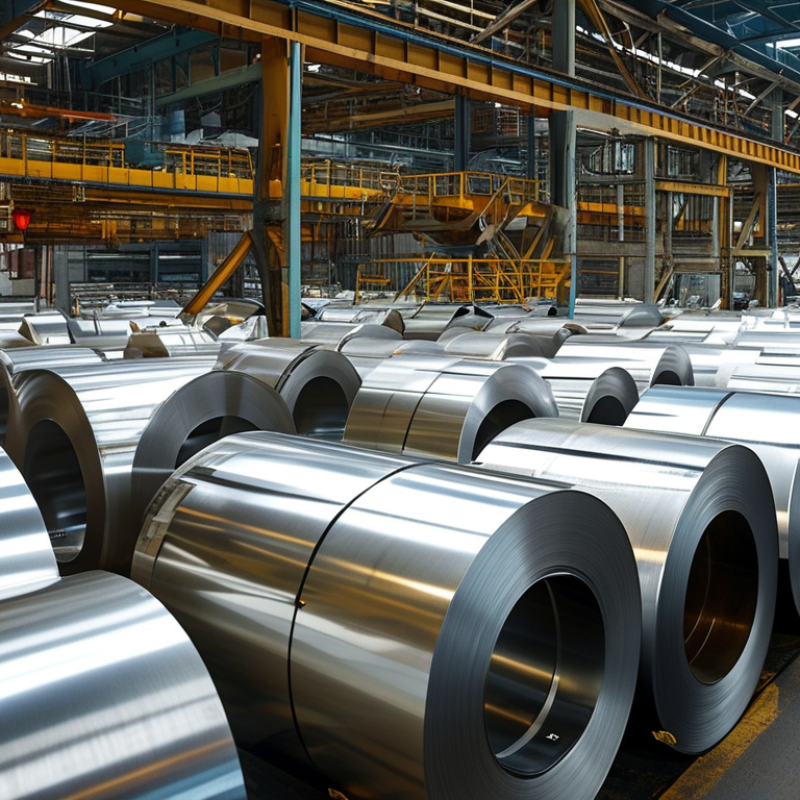
What are Stainless Steel Strips?
Stainless steel strips are versatile materials made from stainless steel, characterized by their thin, flat shape. These strips come in various thicknesses and widths, making them suitable for multiple applications. They often contain chromium and nickel, giving stainless steel its well-known corrosion resistance and durability. Various industries utilize these strips, including automotive, construction, and manufacturing.
In the automotive sector, stainless steel strips are crucial components in parts like exhaust systems. They withstand high temperatures and corrosive environments. In construction, these strips serve as reinforcement materials, providing strength and stability to structures. However, imperfections in manufacturing can affect their performance. It is essential for engineers to evaluate quality standards thoroughly.
Manufacturers face challenges in achieving consistency in thickness and surface quality. Even slight deviations can lead to significant issues during application. Continuous improvement in production processes is necessary. This helps ensure that stainless steel strips meet the rigorous demands of various industries. The evolution of technologies also promises advancements in their usability and efficiency.
Characteristics and Properties of Stainless Steel Strips
Stainless steel strips are essential materials used across various industries. They are known for their corrosion resistance, durability, and aesthetic appeal. One key characteristic is their high tensile strength. According to a report by the International Stainless Steel Forum, stainless steel has a tensile strength ranging from 480 to 620 MPa, making it suitable for demanding applications. The mechanical properties of stainless steel strips allow them to withstand significant loads and maintain structural integrity.
Another notable property is their temperature resistance. Stainless steel can perform well in extreme temperatures, ranging from -200°C to +800°C. This feature is critical for industries like aerospace, where temperature fluctuations can be severe. Additionally, stainless steel strips exhibit excellent formability, allowing manufacturers to create complex shapes without compromising strength. However, the higher manufacturing cost can be a limitation for some applications, making producers reconsider their material choices.
Stainless steel strips are widely utilized in automotive, architecture, and food processing industries. Their versatility enables manufacturers to adapt quickly to varying market needs. Despite these advantages, concerns about supply chain sustainability and raw material sourcing must be addressed. As industries evolve, the demand for durable and environmentally friendly materials will shape the future of stainless steel strips.
Manufacturing Processes of Stainless Steel Strips
Stainless steel strips are essential components across various industries. The manufacturing process of these strips requires precision and attention to detail. It typically starts with raw materials, primarily stainless steel ingots. These ingots undergo a series of intense heating and rolling processes. The goal is to achieve the desired thickness and width.
Cold rolling is a significant step in the production of stainless steel strips. It enhances the material's mechanical properties. This process improves surface finish and dimensional accuracy. However, controlling temperature and pressure during rolling can be challenging. Variations may lead to defects in the final product. Companies must ensure rigorous quality checks throughout production.
Post-production processes involve annealing and pickling. Annealing helps relieve stress within the material. Pickling removes any oxides or contaminants, improving corrosion resistance. Even with these advancements, manufacturers face challenges. Fluctuations in demand and material costs can impact production. Continuous improvement and innovation in processes are crucial for maintaining quality and reliability.
Global Applications of Stainless Steel Strips
Global Applications of Stainless Steel Strips in Various Industries
Stainless steel strips are versatile materials used across many industries. Their resistance to corrosion and high strength make them ideal for various applications. In the automotive sector, stainless steel strips are utilized in the manufacturing of parts like exhaust systems and brake lines. These components need to be durable and withstand extreme conditions. The high-quality finish of stainless steel helps in maintaining performance in harsh environments.
In the construction industry, stainless steel strips are employed in architectural designs. They add an aesthetic appeal while also providing structural integrity. These strips are often used in railings, facades, and roofing. However, designers sometimes face challenges in sourcing the right thickness and finish. The need for customization can lead to delays in projects.
The food processing industry heavily relies on stainless steel strips as well. They are essential in the production of equipment that meets hygiene standards. This is crucial for food safety. Yet, not all stainless steel is created equal. Manufacturers must consider the grade and finish of the strips to ensure compliance with health regulations. This adds complexity to the supply chain and requires careful planning and communication.
What is Stainless Steel Strips and Their Global Applications?
| Application Industry | Common Uses | Material Grade | Market Share (%) | Growth Rate (2023-2028) |
| Automotive | Exhaust systems, body frames, trims | 304, 316 | 25% | 6% |
| Construction | Handrails, roofing, and facades | 430, 304 | 22% | 5% |
| Food Processing | Equipment, containers, and utensils | 316L, 304 | 18% | 7% |
| Aerospace | Structural components, fasteners | 321, 347 | 15% | 4% |
| Electronics | Connectors, enclosures, and components | 304, 430 | 10% | 8% |
Future Trends and Innovations in Stainless Steel Strip Technology
The landscape of stainless steel strip technology is evolving. Innovations are shaping the future of steel applications across various industries. A recent report from the International Stainless Steel Forum highlights that demand for stainless steel strips is projected to grow by over 5% annually, driven primarily by advancements in manufacturing techniques.
Smart manufacturing is one key area of innovation. Industry 4.0 practices enable real-time monitoring and data analytics. These practices enhance efficiency and reduce waste. For example, predictive maintenance allows companies to minimize downtime. In addition to this, the rise of eco-friendly production methods is urging manufacturers to adopt sustainable practices. A study from the World Steel Association indicates that employing recycled materials can cut emissions by up to 60%, reflecting a shift towards greener production.
The automotive sector is a significant driver of this change. Increasingly, stainless steel strips are being used in lightweight vehicle components. This trend contributes to fuel efficiency and emissions reduction. Nevertheless, challenges remain. The fluctuation in raw material prices can affect production costs. Companies must address these issues through better supply chain management and innovative material solutions. As the industry progresses, ongoing research and collaboration will be essential for maintaining a competitive edge.
 skip to Main Content
