Best Pilot Operated Check Valves Explained for Optimal Use
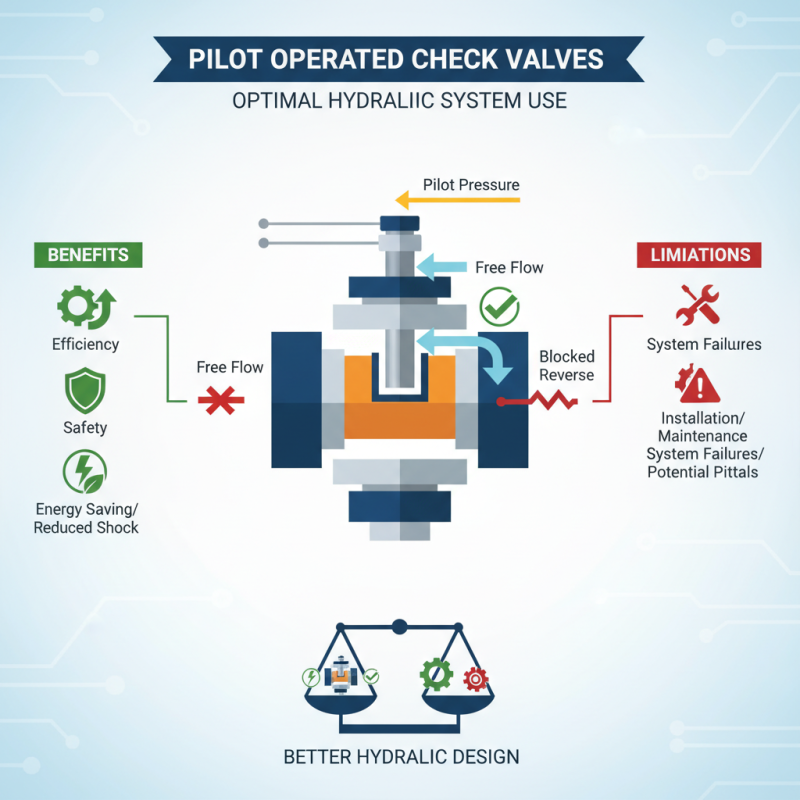
In the realm of hydraulic systems, pilot operated check valves are crucial components. They ensure efficient flow control while preventing backflow. Industry expert, John Smith, once stated, "Pilot operated check valves optimize system performance and reliability." This emphasizes their importance in modern applications.
Operating effectively, these valves enhance safety and efficiency. They allow free flow in one direction and block reverse flow when needed. However, their complexity can lead to installation and maintenance challenges. Understanding these nuances is key for optimal use.
These valves can save energy and reduce hydraulic shock. Yet, without proper care, they can also cause system failures. Recognizing potential pitfalls is essential for anyone working with pilot operated check valves. Embracing both their benefits and limitations leads to better hydraulic design choices.
What Are Pilot Operated Check Valves and How Do They Work?
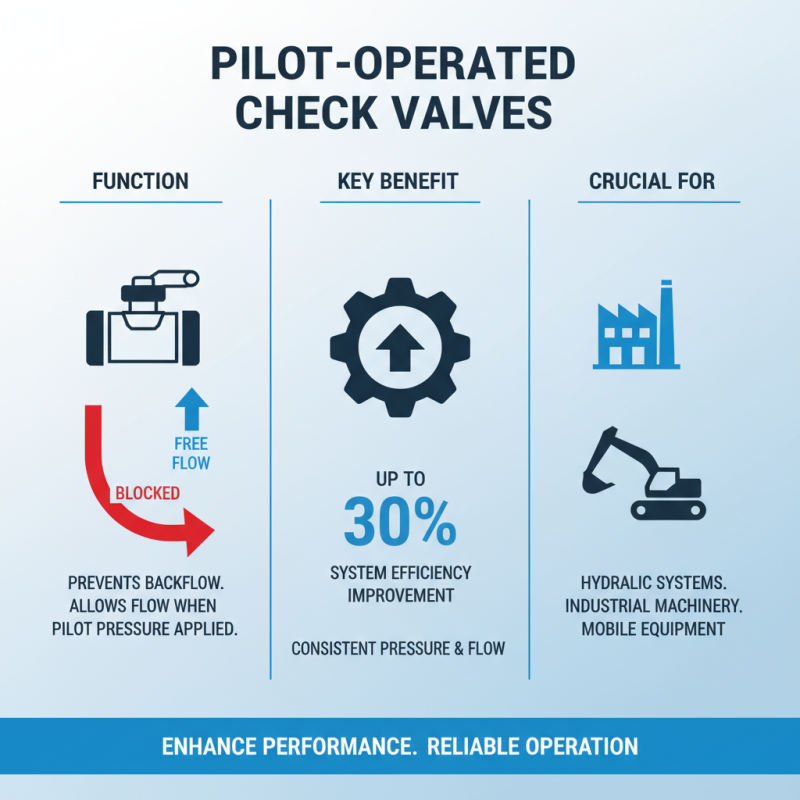
Pilot operated check valves are essential components in fluid systems. They allow flow in one direction while preventing reverse flow, which is crucial for maintaining system pressure. The operation relies on a pilot line that senses pressure. When the system pressure exceeds a certain level, the valve opens. This mechanism helps ensure smooth operation in hydraulic systems.
Understanding the exact function of these valves can be complex. They consist of a main valve and a pilot control. The pilot control responds to changes in pressure, while the main valve acts accordingly. However, these valves can fail if not maintained properly. Dirt or debris can obstruct the pilot line. Regular inspections are necessary to prevent unnoticed malfunctions.
In practice, positioning is critical. Incorrect installation may lead to leaks or unwanted pressure drops. Operators should be careful during setup. Each application may require tailored adjustments. Evaluating the specific system's needs helps in achieving optimal performance. Ultimately, knowing how pilot operated check valves work enhances their efficiency in fluid management.
Usage of Pilot Operated Check Valves in Different Industries
This chart illustrates the percentage of usage of pilot operated check valves across various industries. As the data indicates, manufacturing shows the highest usage at 40%, while construction follows closely behind at 25%. Other industries such as oil & gas, automotive, and aerospace have lower usage percentages, highlighting the specific applications of these valves in operational needs.
Key Features to Consider When Selecting Pilot Operated Check Valves
When selecting pilot operated check valves, several key features warrant attention. The flow rate is crucial; valves must handle system demands. Industry research shows that a
1-inch valve typically provides a flow rate of up to 50 gallons per minute. Evaluating the pressure rating is essential as well.
Opt for valves rated for at least 150psi to ensure performance under varying conditions.
Another important feature is the pilot pressure. It should match the system requirements. A mismatch can hinder performance significantly. Consider the installation space; compact designs work better in tight spots.
Also, note the material of construction. Brass or stainless steel often offers better corrosion resistance, while aluminum might suffice in non-corrosive environments.
Tips: Regular maintenance is key. Inspect valves often to prevent failure. Consider using a gauge to monitor performance metrics. Aim for valves that allow for easy inspection and cleaning.
Even small debris can lead to significant operational issues. Recognizing potential problems early can save costs in the long run.
Common Applications and Industries for Pilot Operated Check Valves
Pilot operated check valves are essential in various industries. They ensure safe and efficient fluid flow. Common applications include hydraulic systems and industrial machinery. These valves are crucial in vehicle braking systems too. They prevent backflow, protecting equipment from damage.
In manufacturing, pilot operated check valves regulate pressure in hydraulic circuits. They can be found in plastic injection molding machines. These valves help maintain the right pressure levels. In construction, they are used in excavators and cranes. The smooth operation of heavy machinery relies on these components.
However, their installation can be tricky. Misalignment can lead to leaks or valve failure. Regular maintenance is important to ensure reliability. Users should consider the environment where these valves operate. High temperatures or corrosive fluids can affect performance. Reflection on these aspects is necessary for optimal use.
Maintenance Tips for Ensuring Optimal Performance of Check Valves
Maintaining pilot operated check valves is essential for their optimal performance.
Regular inspections are vital. A study indicates that 30% of valve failures are due to inadequate maintenance.
Check the seals and seats regularly to prevent leaks. Replace worn components promptly to avoid costly downtime.
Tip: Schedule inspections every six months. This helps catch potential issues early.
Additionally, improper installation can lead to serious problems. Follow the manufacturer's guidelines closely.
Fluid quality also affects the performance of check valves. Contaminated fluid can lead to faster wear.
Using filters can significantly improve system longevity.
Tip: Monitor fluid cleanliness regularly. Keep records of maintenance activities and fluid tests.
This ensures a proactive approach to valve care. Proper training for staff on handling valves is equally crucial.
Mistakes can result in unsafe conditions.
 skip to Main Content