What is a Nylon Insulated Terminal and its Advantages?
Nylon Insulated Terminals play a significant role in electrical connections. They provide enhanced durability and better insulation compared to traditional terminals. According to a report by the Electrical Components Industry Association, the demand for insulated terminals has grown steadily, reaching a market size of $2 billion in 2021.
The advantages of using Nylon Insulated Terminals include resistance to heat and chemicals. This makes them suitable for various industrial applications. They help prevent wire fraying and ensure long-lasting connections. An industry study indicates that connectors with nylon insulation can improve the lifespan of electrical systems by up to 30%. However, users should be aware of the right application limits to avoid potential failures.
In some cases, not all terminals perform equally under stress. It’s crucial to choose the right grade of nylon for specific environments. A notable point is that while Nylon Insulated Terminals offer many benefits, the cost may still be a concern for budget-sensitive projects. Balancing quality and affordability can be a challenge.
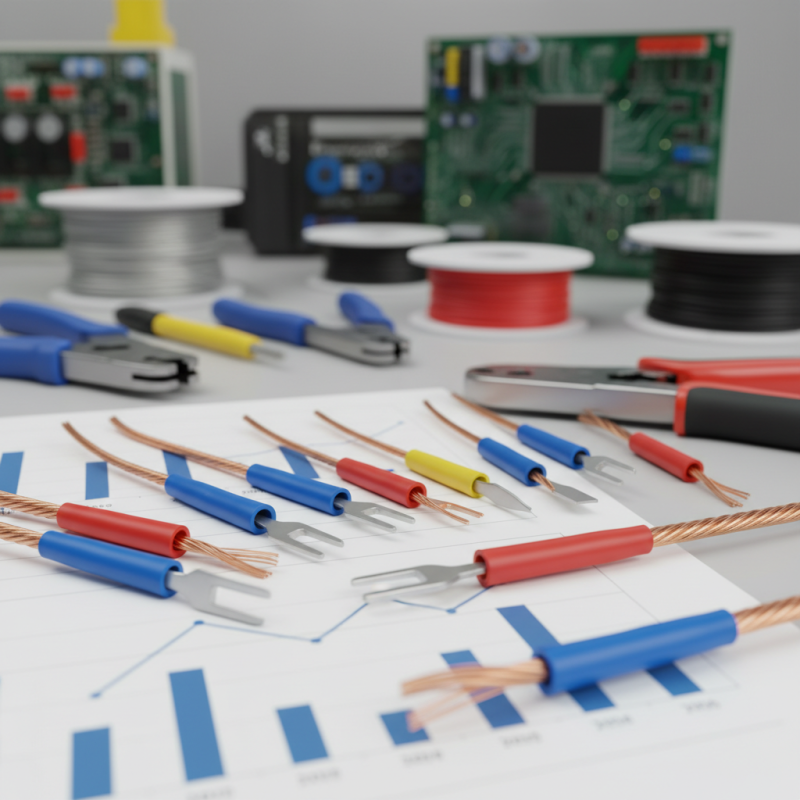
What is a Nylon Insulated Terminal?
Nylon insulated terminals are essential components in electrical systems. They provide secure connections while protecting against environmental factors. Typically made from durable nylon, these terminals offer good insulation and resistance to wear and tear. Reports show that using nylon insulation can enhance the longevity of connections by up to 30%. This material withstands heat, moisture, and potential corrosion.
When choosing nylon insulated terminals, consider their versatility. They come in various sizes and types, catering to diverse applications. Their flexibility makes them suitable for automotive, industrial, and residential uses. Additionally, these terminals are often easier to install, reducing labor costs. However, some may find it challenging to select the right size.
Tips: Always check specifications before purchasing. Combining nylon terminals with the right connectors enhances performance. Regularly inspect connections to prevent wear. This ensures safety and reliability. An overlooked terminal can lead to larger issues down the line, emphasizing the need for careful selection. In conclusion, while nylon insulated terminals are beneficial, proper usage and inspection are vital for optimal performance.
Composition and Structure of Nylon Insulated Terminals
Nylon insulated terminals are known for their robust structure. They consist of a metal connector coated with nylon. This combination protects against corrosion and enhances durability. The nylon material is lightweight yet strong, providing excellent resistance to abrasion. A properly insulated terminal can significantly reduce the risk of electrical shorts.
The composition of these terminals typically includes copper or brass for the metal parts. These metals ensure optimal conductivity. The nylon casing, however, is often overlooked. It plays a crucial role in insulation, keeping moisture and dust at bay. This is essential for maintaining long-term connections in varying environments. Yet, some might find that nylon insulation can wear over time, losing its protective qualities. Regular inspection of terminals is advisable to ensure performance.
Consider the structure; it offers both flexibility and strength. The terminals can fit into various connectors easily. However, improper installation can lead to failures. It's important to follow guidelines carefully. A secure fit is necessary for optimal functionality. While these terminals are designed to last, their longevity depends on several factors, including installation and environmental conditions.
Primary Advantages of Using Nylon Insulated Terminals
Nylon insulated terminals are vital in various electrical connections. They provide insulation and protection, reducing the risk of shorts. Their durability sets them apart. These terminals resist heat and chemicals, extending their lifespan. In harsh environments, they perform well.
Using nylon insulated terminals has significant advantages. One major benefit is their resistance to moisture. This feature reduces the chances of corrosion. Corrosion often leads to connection failures. Moreover, nylon terminals can endure vibrations. They maintain a stable connection, even when equipment moves.
Another advantage is their versatility. They work with different wire sizes, accommodating various applications. This flexibility can save time and costs. However, one must consider installation as well. Improper installation can negate their benefits. Always ensure they fit snugly. Overall, nylon insulated terminals offer reliability and protection in electrical systems.
Nylon Insulated Terminal Advantages
Applications of Nylon Insulated Terminals in Electrical Systems
Nylon insulated terminals are crucial in electrical systems. They are designed to provide protection against moisture and corrosion. This insulation helps improve the terminal's longevity. Their application is widespread across various areas.
In residential wiring, these terminals are often used to connect wires safely. The nylon casing acts as a barrier, preventing short circuits. In automotive systems, they connect components securely. Their resistance to vibrations is beneficial here. A loose connection could lead to failures or even accidents.
The marine industry also uses nylon insulated terminals extensively. Boats are exposed to harsher conditions, making reliable connections essential. However, one must consider that over time, nylon may degrade. Regular inspections for wear can help mitigate this risk. Electricians sometimes overlook these details, which can cause issues later. Ensuring proper installation and maintenance of these terminals is key to their effectiveness.
Comparison with Other Types of Insulated Terminals
Nylon insulated terminals are becoming more popular in various electrical applications. They stand out due to their excellent heat resistance and mechanical strength. Compared to PVC insulated terminals, nylon offers a better grip and durability. This makes it ideal for tough environments.
While PVC terminals may be cheaper, they lack the robustness of nylon. PVC can become brittle over time, especially under UV exposure. In contrast, nylon insulated terminals maintain their integrity longer. However, they can be harder to work with, especially for larger sizes. Some users find their flexibility to be a challenge during installation.
Metal terminals insulated with nylon provide additional benefits. Their resistance to moisture and chemicals makes them suitable for outdoor use. However, not everyone may appreciate the added cost of nylon options. It's essential to weigh the advantages against the price. Small installations might not justify the expense. Therefore, contractors should consider specific project needs carefully.
 skip to Main Content
