How to Find Reliable Zinc Die Cast Parts Suppliers?
A polished sample can hide weak tooling, unstable dimensions, or careless process control. That is why choosing a supplier for Zinc Die Cast Parts takes more than comparing unit prices. Buyers should examine process capability, alloy selection, tooling maintenance, inspection records, and communication. Small details matter: a burr near a mounting hole, a porous rib, or a delayed measurement report can disrupt assembly.
Professor John Campbell is a respected casting researcher. A practical paraphrase of his process-focused work is: “Reliable castings begin with controlled metal and disciplined production.” This is a paraphrase, not a verbatim quotation. It points to a useful question for suppliers: how do they control each production stage, from alloy handling and die temperature to trimming and final inspection? Ask for evidence, not broad assurances. A clear control plan and sample inspection data tell a more useful story than a glossy capability sheet.
A dependable partner should explain tolerances, finish expectations, testing methods, and realistic lead times in plain language. Request a production sample, review measurement results, and ask how the supplier responds when a defect appears. Pay attention to the answer. Vague promises are not a process. No checklist catches everything, and even experienced buyers can miss a weak point. The aim is not to find a supplier that claims perfection, but one that documents its work, addresses risks openly, and improves when evidence shows a problem.
Define the Technical Requirements for Zinc Die Cast Parts
Before comparing suppliers, define what the zinc die cast part must do. Describe its function, mating components, expected service life, and operating environment. A small electrical housing used indoors has different needs from a bracket exposed to moisture and vibration. Share a current drawing or 3D model, and identify critical dimensions rather than applying tight tolerances everywhere. Precision costs money.
Specify the zinc alloy, wall thickness, and any load-bearing areas. If the part needs threads, inserts, or a smooth visible face, show their locations on the drawing. Include the required surface finish, such as plating or powder coating, and state which surfaces must remain free of marks. A common sourcing mistake is to request “high quality” without defining measurable checks. Ask for sample inspection results, dimensional reports, and a clear plan for checking porosity or cosmetic defects where they matter.
Also explain annual volume, order size, packaging, and likely design changes. These details affect tooling choices and quoted lead times. No drawing catches every production variation. I would review the first sample against the actual assembly, not just the screen model. Record any fit issues, even small ones, and revise the specification before approving repeat production. A precise brief helps suppliers identify risks early and makes their proposals easier to compare.
Identify Suppliers with Relevant Manufacturing Experience
Relevant experience means more than owning a die-casting machine. Ask suppliers to show parts with similar alloy, wall thickness, geometry, and annual volume. A thin-walled housing and a small threaded fitting demand different filling and tooling controls. Request sample inspection reports, alloy certificates, and documented defect rates from comparable jobs. The USGS Mineral Commodity Summaries 2024 reports roughly 12 million metric tons of global zinc mine output in 2023. That figure describes raw supply, not a foundry’s ability to control alloy chemistry.
Look for evidence from production, not polished presentations. Ask how the supplier handles porosity, flash, die wear, and dimensional drift across a production run. Review a recent control plan and compare its checks with your critical drawing dimensions. ISO’s 2023 Survey counted 1,265,216 valid ISO 9001 certificates worldwide; certification signals a quality system, but does not prove zinc die-casting expertise. Numbers can mislead. A practical audit should include a trial run, measured parts, and a clear record of corrective actions. If the supplier cannot explain why a defect occurred—or show what changed afterward—its claimed experience may be difficult to verify.
Assess Production Capacity, Tooling, and Quality Controls
A reliable zinc die cast parts supplier should explain capacity with current production data, not just a list of machines. Ask which machines can run your part, how many shifts are available, and whether finishing or trimming is done in-house. Numbers need context. A machine may be available on paper but heavily booked during your launch window. Review recent schedules, downtime records, and examples of similar part volumes. For tooling, clarify who owns the die, how often it is inspected, and what maintenance is recorded. Check details such as cavity count, expected tool life, repair turnaround, and whether spare inserts are available.
Quality controls should be visible in the process. Request a sample inspection report, material traceability records, and the control plan for key dimensions. Ask how operators check flash, porosity, and surface defects, and how measuring equipment is calibrated. Not every supplier tracks defects in the same way, so compare actual records rather than polished claims. A tidy audit file is not the same as stable output. If possible, review parts from a production run and compare measurements across several pieces. One weakness in this assessment is that a site visit shows only one moment; follow-up data can reveal whether controls hold under real production pressure.
Verify Material Standards, Certifications, and Compliance
Reliable sourcing starts with a written material specification, not a sales-page claim. Name the zinc alloy grade, applicable standard, and acceptable chemistry range. Ask for a material certificate tied to the production lot, then check that its grade and test values match your purchase specification. A generic certificate is weak evidence. For a cast housing, review relevant elements such as aluminum, copper, magnesium, and lead, where specified.
Check the supplier’s quality certification directly with the issuing body. Confirm that the certificate is current and covers the actual manufacturing site and processes. An ISO 9001 certificate can indicate a quality management system, but it does not certify every part. That distinction is easy to miss. Request inspection records, dimensional reports, and, when risk warrants it, independent laboratory results. Compare report dates, part numbers, and lot codes; paperwork can look tidy while its link to a shipment remains unclear.
Compliance documents should fit the intended market and end use. Request applicable declarations and test reports, and confirm they identify the alloy, coating, and product configuration being purchased. Don’t assume a document for one finish covers another. Keep approved specifications and sample records on file, and raise gaps before tooling or production begins. The process can feel repetitive, but chasing missing evidence after delivery is harder.
Compare Samples, Quotations, and Ongoing Supplier Support
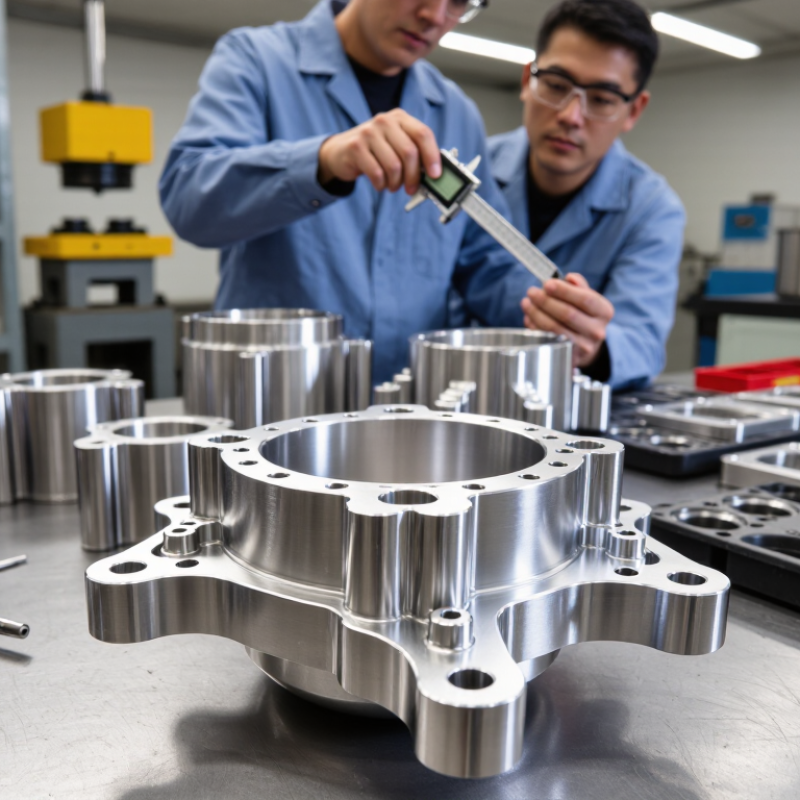
A polished zinc die cast sample can hide variation between cavities or production lots. Request several parts, not one hand-picked piece. Check critical dimensions with calipers or a coordinate measuring machine, then inspect flash, porosity, thread fit, and coating coverage. Small differences matter. Ask whether the samples came from production tooling and whether inspection results are available. A sample is evidence, not a guarantee.
Compare quotations line by line. Confirm the zinc alloy, tooling ownership, annual capacity, quoted tolerances, sampling charges, lead time, and packaging. Ask how the supplier handles nonconforming parts and engineering changes. McKinsey’s 2020 survey of supply-chain leaders found that 93% planned to make their supply chains more resilient. That broader industry finding supports checking a supplier’s backup capacity and communication process, not just the unit price.
Ongoing support is easiest to assess with specific questions. Who responds when a die needs adjustment? How quickly are revised samples provided? Can the supplier share inspection records for repeat orders? Request a named technical contact and a clear response timeline. Check the details. It is tempting to judge service from one smooth sales call, but that is weak evidence. Test the process with a small pilot order, then compare its measured parts and delivery records with the supplier’s commitments.
 skip to Main Content
