Why Are Electric Valves Essential for Modern Automation Systems?
As industries evolve, the demand for precision and efficiency has surged. Electric valves are emerging as crucial components in modern automation systems. According to a report by MarketsandMarkets, the electric valve market is projected to reach $3.5 billion by 2025, reflecting a compound annual growth rate of 5.3%. This growth underscores the significance of electric valves in optimizing processes across various sectors.
Electric valves facilitate automatic control of fluid flow in systems, enhancing productivity. In specific applications, they improve response times and reduce waste, leading to greater operational efficiency. For instance, in the oil and gas industry, electric valves contribute to safer and more reliable infrastructure. However, implementing such technology requires careful consideration. Not all systems may benefit equally, and some may face challenges during integration.
Moreover, while the advantages of electric valves are apparent, the initial investment can weigh heavily on budgets. Companies must evaluate long-term savings against upfront costs. Striking this balance is vital for sustainable automation solutions. As technology advances, the role of electric valves will likely continue to expand, presenting both opportunities and challenges for industries worldwide.
Importance of Electric Valves in Modern Automation
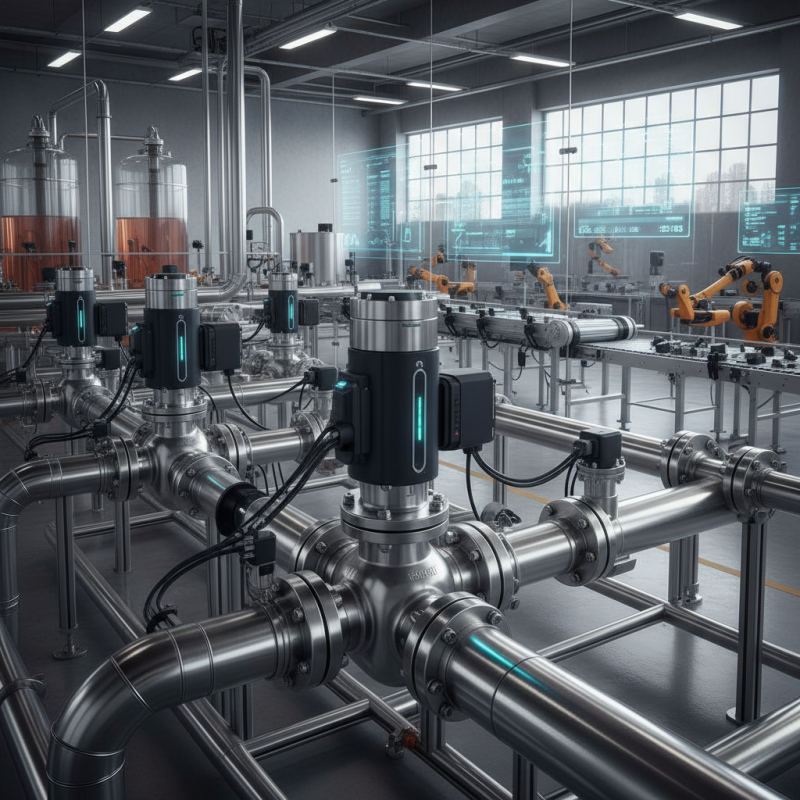
Electric valves play a crucial role in modern automation systems. They enhance efficiency and reliability across various industries. According to industry reports, these valves can save up to 20% in energy costs. This efficiency is vital for companies aiming to reduce operational expenses. The automation sector is rapidly growing, with investments reaching over $200 billion in recent years. Electric valves are central to this growth.
These valves allow precise control of fluid flow. They respond quickly to system demands, which improves overall performance. In a manufacturing setup, they can increase production rates. However, integrating electric valves can present challenges. Compatibility with existing systems must be addressed. Moreover, regular maintenance is key, as neglect can lead to failures and costly downtime.
Data shows that about 30% of automation failures are linked to valve issues. This statistic highlights the need for careful selection and installation. Operators must understand the specific requirements of their systems. It's essential to choose the right valve type. The wrong choice can lead to inefficiencies or even safety hazards in complex operations.
Key Features of Electric Valves in Automation Processes
Electric valves play a crucial role in modern automation systems. They offer precise control in a variety of processes. Key features like rapid response time and high accuracy make them indispensable. According to a recent report by MarketsandMarkets, the electric valve market is projected to reach over $9 billion by 2025, illustrating their growing significance.
A notable feature of electric valves is their ability to integrate easily with control systems. This integration ensures that operations can be automated seamlessly. Users can manage multiple valves from a single interface. This element of convenience sharply reduces operational complexity. However, while integration is beneficial, it requires careful planning to avoid system failure.
Tips: Regular maintenance is vital. It prolongs the lifespan of electric valves and improves performance. Additionally, consider the environment where the valves will be used. Harsh conditions can impact functionality. Overlooking these can lead to unexpected challenges and increased costs. Keeping these factors in mind will lead to a more efficient automation process.
Why Are Electric Valves Essential for Modern Automation Systems? - Key Features of Electric Valves in Automation Processes
| Feature |
Description |
Benefits |
Applications |
| Precision Control |
Ability to modulate flow rates accurately. |
Enhances process efficiency and product quality. |
Chemical processing, food production. |
| Speed of Operation |
Rapid opening and closing capabilities. |
Reduces cycle time in automated processes. |
Manufacturing, HVAC systems. |
| Automation Compatibility |
Easily integrates with control systems. |
Facilitates remote monitoring and operation. |
Oil and gas, water treatment. |
| Durability |
Constructed to withstand harsh environments. |
Longer lifespan leads to reduced maintenance costs. |
Mining, chemical storage. |
| Energy Efficiency |
Low power consumption during operation. |
Reduces energy costs and environmental impact. |
Beverage processing, power generation. |
Advantages of Electric Valves Over Traditional Valves
Electric valves are becoming increasingly vital in modern automation systems. Their precise control capabilities enhance efficiency across various industries. According to a recent report by MarketsandMarkets, the electric valve market is projected to reach $6.9 billion by 2025. This growth highlights the shift from traditional valve solutions to more advanced technologies.
One key advantage of electric valves is their responsiveness. They can adjust quickly to changing conditions. This feature is particularly important in processes requiring real-time control. For example, in the chemical industry, the ability to react swiftly to fluctuations can prevent accidents. Moreover, electric valves offer better integration with digital systems. Their compatibility with IoT devices allows for remote monitoring and adjustments.
Despite their benefits, there are challenges. Electric valves may face issues related to power supply reliability. A power outage could disrupt operations, leading to potential losses. Additionally, initial installation costs can be higher compared to traditional valves. However, the long-term savings from lower energy consumption and reduced maintenance often outweigh these concerns. This balance is crucial for industries considering the switch to electric valves.
Application Areas of Electric Valves in Industry
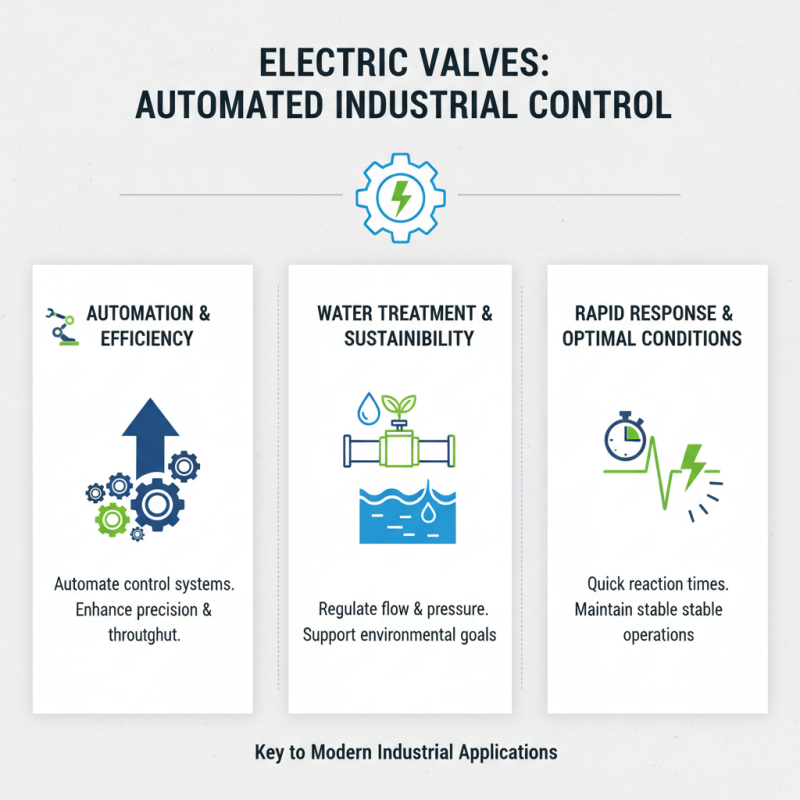
Electric valves play a crucial role in various industrial applications. They automate control systems, enhancing efficiency and precision. In sectors like water treatment, these valves regulate flow and pressure, supporting environmental sustainability. Their rapid response times help maintain optimal conditions.
In manufacturing, electric valves control fluid movement in processes such as chemical production and food processing. Accurate control of ingredients is essential. Errors can lead to waste or safety hazards. These valves also contribute to minimizing energy consumption, reducing operational costs.
However, challenges remain. The initial investment can be high. Maintenance may require specialized knowledge. Some facilities may struggle with integration into existing systems. It’s important to weigh these factors carefully. Embracing modern electric valves can foster advancements while also demanding attention to detail and ongoing evaluation.
Future Trends in Electric Valve Technology and Automation Systems
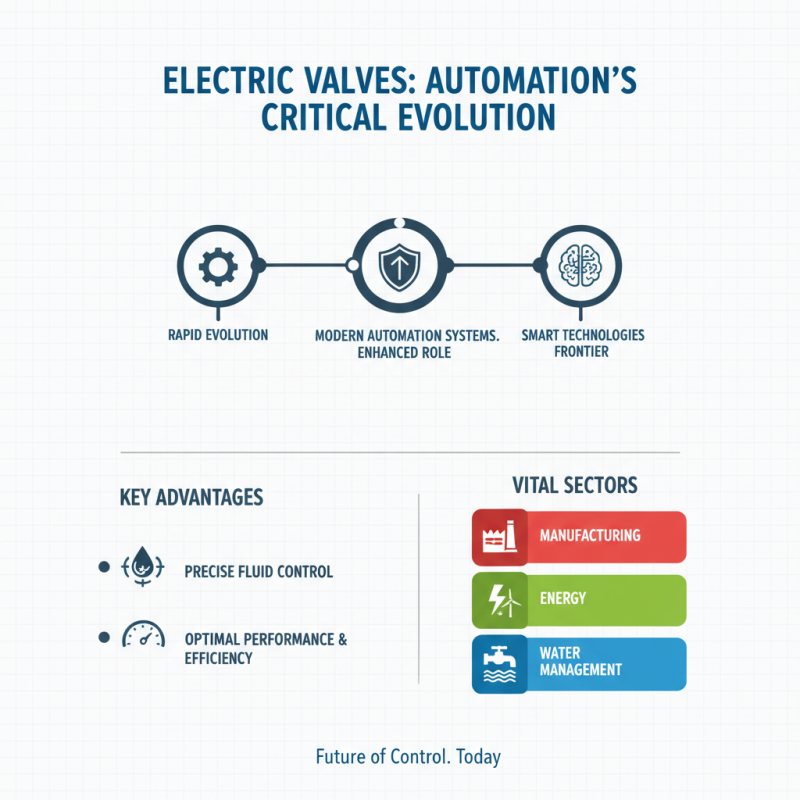
Electric valves are evolving rapidly in modern automation systems. Their role is becoming even more critical. As industries shift towards smart technologies, electric valves stand at the forefront. They enable precise control over fluid dynamics, ensuring optimal performance and efficiency. This is especially vital in sectors like manufacturing, energy, and water management.
Future trends indicate a focus on integration and connectivity. Modern electric valves will communicate seamlessly with IoT devices. This means real-time data and analytics can enhance decision-making processes. However, the complexity raises questions about standardization and interoperability. Some systems may struggle during the transition.
A shift toward sustainable practices also influences electric valve technology. The push for greener solutions means more energy-efficient designs. These new models require careful consideration. Are they adaptable enough for diverse applications? Will they meet the growing demand for automation? As we look ahead, the responsibility lies in developing solutions that are not only advanced but also accessible. This balance is crucial for future progress.
 skip to Main Content