What Are Electric Motorcycle Wheels?
What Are Electric Motorcycle Wheels?
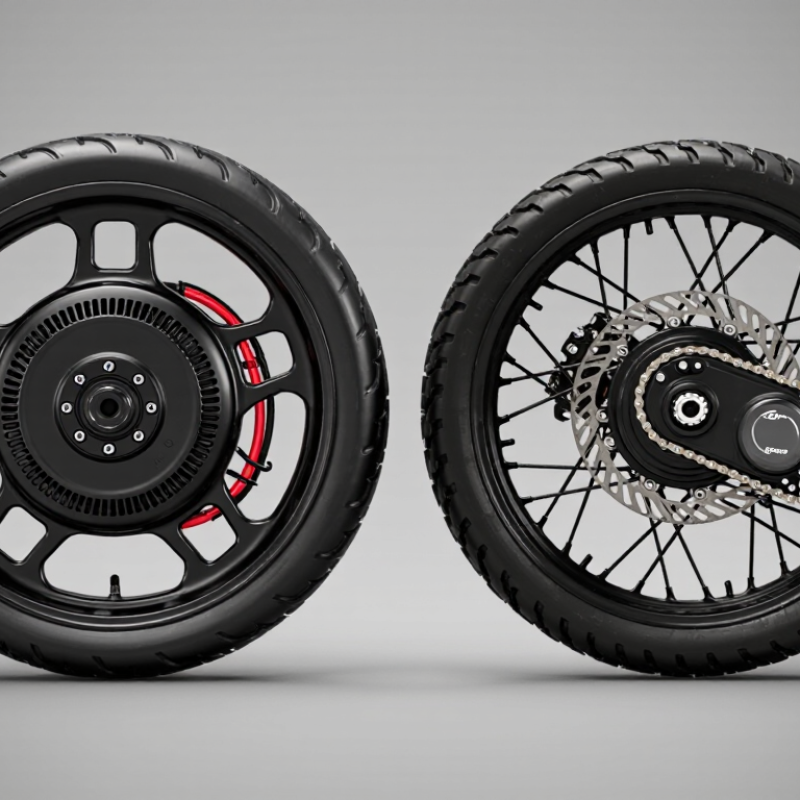
Electric Motorcycle Wheels are often described as wheels with a motor, but the term covers more than one design. Some use a hub motor built into the wheel. Others are ordinary wheels driven by a separate motor and transmission. That difference affects weight, handling, maintenance, and how power reaches the road.
Harley-Davidson CEO Jochen Zeitz has expressed the broader industry shift in a concise phrase: “The future is electric.” The wheel is one place where that shift becomes tangible. A hub motor can deliver torque directly at the axle, while a conventional wheel keeps the motor elsewhere on the bike. Neither layout is automatically better. Engineers must balance unsprung weight, heat management, braking, tire choice, and the rider’s needs.
Small details matter. A heavier hub can make a wheel feel less responsive over rough pavement. A poorly managed motor can also lose performance as it heats up. Yet a well-integrated design may reduce mechanical complexity. The terminology can be messy, and product descriptions do not always make the layout clear. That deserves a closer look.
This guide explains the main wheel types, their components, and the trade-offs riders should understand. It also considers practical checks such as wheel size, spoke or rim construction, braking compatibility, and service access. No single design suits every motorcycle. The useful question is not simply whether a wheel is electric, but how its design changes the ride.
Definition and Role of Electric Motorcycle Wheels
What Are Electric Motorcycle Wheels?
Definition and Role of Electric Motorcycle Wheels
An electric motorcycle wheel is the rotating assembly that supports the motorcycle and connects it to the road. It usually includes a rim, hub, and tire; spokes or a solid structure hold the rim in place. The tire provides the contact patch, while the wheel carries loads and transfers forces. Small distinction. In everyday conversation, people often call the whole assembly a wheel.
Some electric motorcycles place the motor inside a wheel hub. Others use a separate motor that sends torque to the wheel through a drive system. So the wheel is not always the source of power. In either layout, it must transmit acceleration and braking forces without excessive flex. It also helps maintain traction as the motorcycle leans or crosses uneven pavement. A loose spoke or damaged rim can affect handling, even at low speed.
Wheel design involves trade-offs. A lighter wheel can respond more quickly to bumps and steering inputs, but strength and durability still matter. The front wheel guides the motorcycle and carries braking loads; the rear often handles stronger drive forces. Fit, alignment, tire pressure, and bearing condition all influence how the assembly behaves. The details are easy to overlook. Regular inspection can reveal a bent rim, unusual play, or uneven tire wear before the ride feels unstable.
Key Components and Their Functions
What Are Electric Motorcycle Wheels?
Key Components and Their Functions
An electric motorcycle wheel is more than a rim and tire. It supports the bike, transfers torque, and manages contact with the road. In hub-motor designs, the motor sits inside the wheel, so cables, bearings, seals, and brake parts share a tight space. The motor produces rotation; the controller regulates its electrical input. A rim holds the tire, while spokes or a cast structure carry loads into the hub. Small details matter. A loose spoke or damaged connector can affect handling or interrupt power. That is easy to overlook.
The tire provides grip and absorbs road shocks. Its pressure and condition influence stability, braking, and range, though the exact effect depends on load and road surface. The brake rotor and caliper convert motion into heat and slow the wheel. Some wheels also house a speed sensor, which sends rotation data to the control system. The International Energy Agency’s Global EV Outlook 2024 identifies electric two- and three-wheelers as the most electrified road-transport segment. That context makes wheel-system reliability especially relevant. When inspecting one, check tire wear, brake clearance, cable routing, and bearing play. A wheel may look sound while a hidden connector is already stressed.
How Electric Motorcycle Wheels Generate and Transfer Motion
An electric motorcycle wheel turns when electrical current reaches a motor, creating a magnetic field that produces torque. In a hub-motor design, the motor sits inside the wheel; in a centrally mounted design, gears and a chain or belt carry torque to it. The controller adjusts current as the rider opens the throttle. More current generally means more torque, though heat and battery limits matter. The tire then pushes against the road, and the road’s reaction moves the motorcycle forward. Small contact patch. Real force.
Motion also travels back through the system. During regenerative braking, a compatible motor can act as a generator, sending some kinetic energy to the battery. Recovery varies with speed, battery state, and control settings, so it is not free energy. The U.S. Department of Energy’s Alternative Fuels Data Center estimates that electric vehicles convert about 59–62% of grid electricity into power at the wheels. This figure includes charging and drivetrain losses, not just the wheel motor. That distinction is easy to miss. A wheel may look like a simple rotating part, but tire grip, gearing, controller response, and motor heat all shape how smoothly it transfers motion. I would not judge its performance by peak torque alone.
Common Types of Electric Motorcycle Wheels
Common Types of Electric Motorcycle Wheels
Electric motorcycle wheels commonly use spoked, cast, or forged construction. Each handles weight, impacts, and maintenance differently. The right choice depends on riding conditions, tire design, and the motorcycle’s load.
Spoked wheels use thin metal spokes between the rim and hub. Their slight flex can help on rough roads, and individual spokes may be replaceable after damage. Some designs need inner tubes; others support tubeless tires, so check the wheel specifications.
Cast wheels are made as one piece, often from aluminum alloy. They feel rigid and typically need less routine attention, but a severe impact may crack the wheel rather than bend it gradually.
Forged wheels are pressed into shape under high force. They can be light and strong, though their cost and repair options vary.
Not magic.
A hub-motor wheel places the electric motor inside the wheel hub. This is a motor layout, not a separate rim-construction type; it may be paired with different wheel designs. The added hub mass can affect suspension response, especially over sharp bumps. Tire changes may also require extra care around electrical connections.
There is no universal winner. I would check the wheel’s load rating, tire compatibility, and service instructions before choosing.
Factors Affecting Wheel Selection and Maintenance
What Are Electric Motorcycle Wheels?
Factors Affecting Wheel Selection and Maintenance
An electric motorcycle wheel must handle the bike, rider, passengers, and any carried load. Check the wheel and tire load ratings against the vehicle manual, not just the motorcycle’s empty weight. Tire size, rim width, brake-disc clearance, and axle fit must also match. With a hub motor, wheel diameter can affect acceleration and road speed, while the motor’s extra mass makes spoke tension and bearing condition especially important. Small details matter. The International Energy Agency’s Global EV Outlook 2024 estimates that nearly 10 million electric two- and three-wheelers were sold worldwide in 2023. More vehicles on the road make correct fitment and routine inspection increasingly relevant.
Maintenance starts with tire pressure measured when the tires are cold. Compare it with the manufacturer’s recommended pressure; an underinflated tire can flex more, heat up, and wear unevenly. Check the tread and sidewalls for cuts, bulges, or embedded debris, and look for bent rims after a hard pothole strike. On spoked wheels, loose or damaged spokes can affect stability. Check them carefully. Also watch for bearing play, unusual noises, and a brake disc that rubs after wheel installation. A clean wheel can still have a hidden problem. It is easy to focus on tread depth and overlook a slightly loose spoke or bearing, so periodic inspection matters even when the ride feels normal.
Electric Motorcycle Wheels: Selection and Maintenance
This chart shows a practical example of wheel-related inspection intervals. Actual schedules vary by motorcycle, riding conditions, and manufacturer guidance.
Wheel selection: Match rim size, tire dimensions, load and speed ratings, and wheel compatibility to the motorcycle’s specifications. For maintenance, check tire pressure when cold using the owner’s manual’s recommended value; inspect tires and wheels regularly for damage or wear.
 skip to Main Content
