What is the Difference Between Pneumatic and Hydraulic Systems?
In the realm of industrial applications, the terms "pneumatic" and "hydraulic" represent two fundamental systems. Both have unique advantages and specific uses. Experts in the field often emphasize these differences. For instance, Dr. Jane Smith, a leading engineer in fluid power systems, once remarked, "Understanding the nuances between pneumatic and hydraulic systems can enhance performance and efficiency."
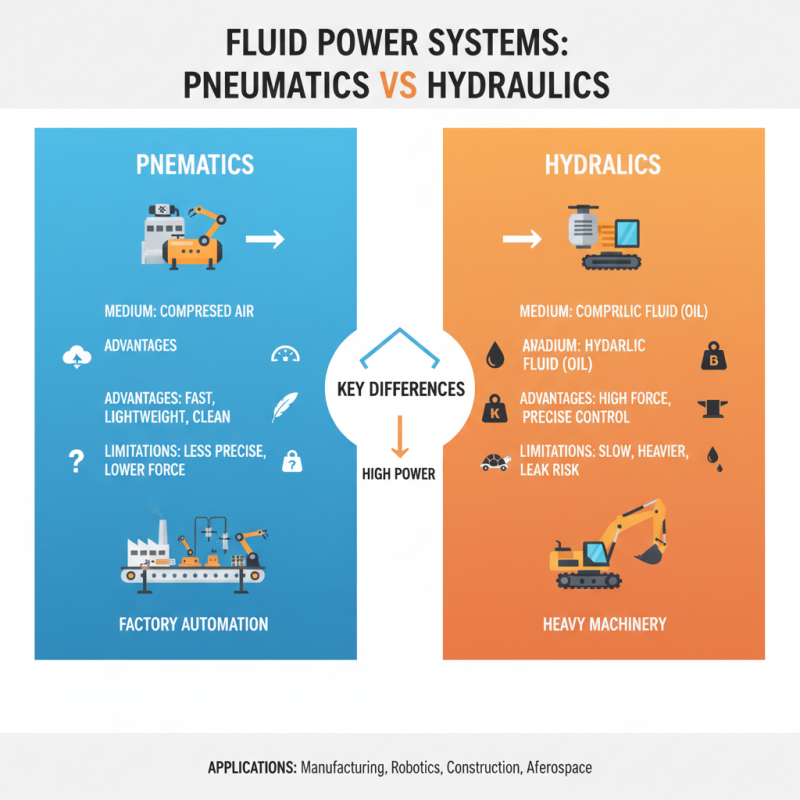
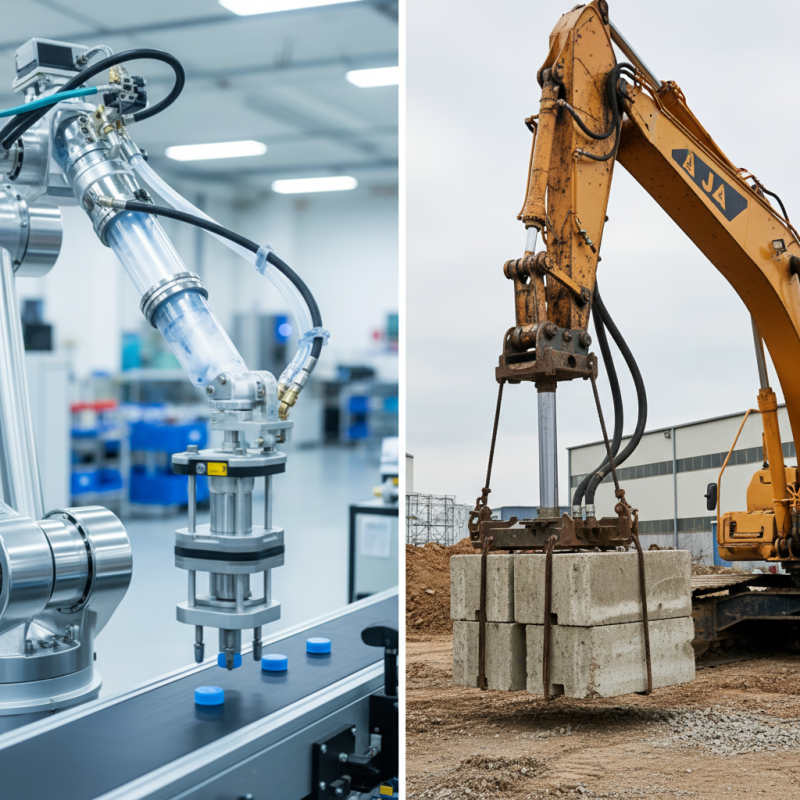
Pneumatic systems use compressed air, making them lighter and faster. They are often found in environments where speed is critical, such as automated assembly lines. Conversely, hydraulic systems utilize pressurized liquids, providing greater force. These systems can support heavier loads, crucial in construction and manufacturing.
Each system has limitations. Pneumatics may not handle high-pressure applications well, while hydraulics can be prone to leaks. It’s essential to assess specific needs when choosing the right system. Recognizing these subtleties is key to optimizing performance in various applications involving pneumatic and hydraulic technologies.
Definition of Pneumatic and Hydraulic Systems
Pneumatic and hydraulic systems serve crucial roles in various applications. Pneumatic systems utilize compressed air to power tools and machinery. They are often seen in factories and assembly lines. These systems offer rapid actuation and are lightweight. For instance, pneumatic actuators can move quickly, making them ideal for repetitive tasks. However, air compressibility can lead to less precise control.
On the other hand, hydraulic systems operate using liquid fluid, usually oil, to transmit power. They deliver higher force in a compact package. Hydraulic presses demonstrate this capability effectively. They can lift heavy objects with ease. Yet, hydraulic systems can be more complex and might require maintenance. Leaks in hydraulic systems can lead to significant issues, such as loss of pressure.
Both systems have their advantages and drawbacks. Pneumatics often excel in speed but lack power in heavy-duty applications. Hydraulics provide substantial force but may be cumbersome. Understanding these differences can guide the choice between them for specific needs.
Key Components of Pneumatic Systems
Pneumatic systems utilize compressed air to perform work. Key components define their functionality and efficiency. One of the most crucial elements is the air compressor. It generates high-pressure air. Compressors can vary in size and output, affecting overall system performance.
Another important component is the receiver tank. This tank stores compressed air, stabilizing the supply. The tank size should match the system's demand. Alongside these parts, valves control airflow. They can regulate direction, pressure, and volume. The right valve selection can optimize system efficiency.
Tips: Regular maintenance of these components is essential. Inspecting and replacing filters can enhance air quality. This can lead to a longer equipment lifespan. Studies suggest well-maintained systems increase efficiency by up to 20%.
Pneumatic actuators are also vital. They convert air pressure into mechanical motion. Various designs cater to different needs. Choosing the wrong type can hinder performance. Seek guidance for optimal actuator selection. Understanding these components aids in making better choices for pneumatic systems.
Comparison of Pneumatic and Hydraulic Systems Components
Key Components of Hydraulic Systems
Hydraulic systems are essential in various industries, utilizing fluid power to transmit force. Understanding the key components of hydraulic systems is crucial for effective operation and maintenance. The primary element is the hydraulic fluid, which transfers energy. This fluid is usually oil-based, ensuring lubrication and cooling.
Another critical component is the hydraulic pump. It converts mechanical energy into hydraulic energy. Pumps can vary in type, affecting efficiency and performance. Valves are also vital, controlling the flow and pressure of the fluid. They direct the flow to various actuators or cylinders in the system, allowing for precise movement.
Tips: Regularly check fluid levels and inspect for leaks. Maintaining the system enhances longevity and performance. A dirty filter can disrupt flow. Clean or replace filters as needed. Remember, overfilling the system can lead to pressure problems. Always monitor pressure levels for optimal function.
What is the Difference Between Pneumatic and Hydraulic Systems? - Key Components of Hydraulic Systems
| Component |
Pneumatic System |
Hydraulic System |
| Medium Used |
Compressed Air |
Fluid (Oil) |
| Pressure Range |
0-120 psi |
1000-5000 psi |
| Speed |
Fast (Higher Speed) |
Slower (Lower Speed) |
| Control |
Easier to Control |
More Complex Control Required |
| Applications |
Packaging, Food Processing |
Construction, Manufacturing |
| Maintenance |
Generally Lower Cost |
Higher Maintenance Cost |
| Safety Concerns |
Less Risk of Leaks |
Risk of Fluid Spills |
Comparison of Performance and Efficiency
Pneumatic and hydraulic systems differ significantly in performance and efficiency. Pneumatics use compressed air, while hydraulics use liquid to transmit force. This fundamental difference leads to varied applications and performance metrics.
Hydraulic systems are known for their high power-to-weight ratio. They can generate large amounts of force with less input. According to industry reports, hydraulic systems can achieve pressures of
10,000 psi or more. Pneumatic systems typically operate at significantly lower pressures, around
100 psi. This difference in pressure results in hydraulics being more efficient for heavy-duty applications.
Tips: For tasks that require
precision and control, hydraulics often outshine pneumatics. However, pneumatics excel in environments where quick, simple operations are needed. Be mindful of these factors when choosing a system.
Performance can be impacted by component quality. Sometimes, cheaper components lead to inefficiencies or breakdowns. It's essential to evaluate the
level of maintenance your system will require over time. Understanding these performance variables can guide your decision on which system to implement.
Applications and Use Cases of Each System
Pneumatic and hydraulic systems serve unique purposes in various applications. Pneumatic systems rely on compressed air, making them ideal for lightweight tasks. They are commonly used in packaging machines. These machines often need quick, repetitive movements. Pneumatic systems excel in environments where moisture is a concern, as air does not leak like fluids.
On the other hand, hydraulic systems use liquid to transmit power. They are powerful and precise. Consequently, they are often found in heavy machinery, like excavators and forklifts. They can lift substantial loads with accuracy. However, hydraulic systems can leak fluid, requiring careful maintenance. While both systems have their strengths, choosing the right one depends on the task at hand. Sometimes, it’s unclear which system is more efficient. It can lead to unnecessary complications during operation.
 skip to Main Content