2026 How to Choose the Right Explosion-Proof Inverter?
Explosions in industrial settings can lead to disastrous outcomes, both in terms of human safety and property damage. According to the National Fire Protection Association (NFPA), there were over 10,000 reported incidents involving explosions in manufacturing facilities in 2020 alone. Choosing the right Explosion-Proof Inverter is crucial to mitigating these risks.
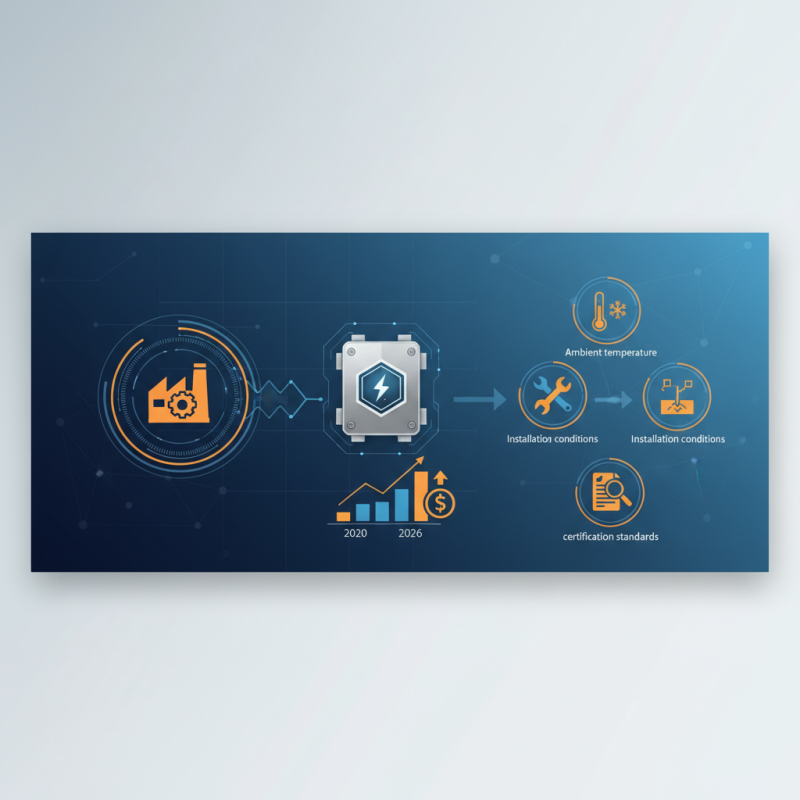
Explosion-proof inverters are designed to function safely in hazardous environments. They prevent the ignition of flammable substances and ensure uninterrupted power supply. The global explosion-proof equipment market is projected to reach $8.2 billion by 2026, highlighting the growing need for safety solutions in various industries. Yet, many businesses struggle with selecting the appropriate inverter, often due to a lack of understanding of specific requirements and characteristics.
Understanding the technical specifications and certification standards of explosion-proof inverters is critical. However, many users may overlook vital factors like installation conditions and ambient temperature ranges. This misstep can lead to costly errors and safety hazards. It is essential for companies to evaluate their unique needs and consult industry experts when making this pivotal decision.
Understanding Explosion-Proof Inverters and Their Importance
Explosion-proof inverters are crucial in industries where flammable gases and liquids are present. Understanding these devices is essential for ensuring safety in hazardous environments. They are designed to operate without igniting surrounding materials, which is vital for protecting workers and facilities. Selecting the right unit can thus significantly impact operational safety and efficiency.
These inverters use advanced materials and technologies to prevent sparks or overheating. Proper installation and maintenance are vital. They require regular inspections to confirm their integrity and reliability. Users must not overlook environmental factors, such as humidity and temperature, which can affect performance. While explosion-proof inverters are designed to be safe, they are not infallible. Regular updates on safety standards and regulations are necessary to stay compliant.
Choosing the correct explosion-proof inverter can be a challenging task. Various specifications exist, and not all units are suited for every application. It's essential to consider the specific requirements of your environment, including potential hazards. Consulting experts in this field can provide valuable insights, but it is still the responsibility of users to stay informed and vigilant. Understanding both the benefits and limitations of these inverters is key to making an informed decision.
Key Factors to Consider When Choosing an Explosion-Proof Inverter
Choosing the right explosion-proof inverter is crucial for safety in hazardous environments. Several key factors must be considered to ensure optimal performance and reliability. The inverter must comply with relevant industry standards, like ATEX and IECEx, which provide guidelines for equipment safety in explosive atmospheres. According to a recent market analysis, over 35% of industrial accidents involve electrical equipment failures. Selecting a certified inverter can prevent such incidents.
The inverter's power output must match the requirements of the specific application. Failure to consider the necessary wattage can lead to inadequate performance or equipment damage. It’s essential to evaluate the operational environment, including temperature ranges and humidity levels. For example, in extreme conditions, a more robust design is necessary.
Tip: Always test the inverter in a controlled setting before full deployment. This can reveal unforeseen issues and allow for adjustments to settings.
Tip: Check for service support and warranty terms. A responsive manufacturer can provide essential assistance quickly in critical situations.
Types of Explosion-Proof Inverters and Their Applications
When selecting an explosion-proof inverter, understanding the various types available is crucial. One common type is the pure sine wave inverter. It provides stable power for sensitive equipment. This inverter mimics utility power, ensuring reliability in volatile environments. Research suggests that pure sine wave inverters can increase equipment lifespan by up to 30%.
Another option includes modified sine wave inverters. While more affordable, they may not support some delicate electronics. Industries report varied performance outcomes, emphasizing the need to evaluate specific equipment requirements. A third type is the hybrid inverter, which combines features of both pure and modified sine wave models. They offer versatility, adapting to different energy sources effectively.
Tips: Consider the environment where the inverter will be used. In hazardous areas, ensure it meets required safety standards. Regular maintenance plays a key role in keeping devices functional. Evaluate the actual load versus the inverter’s capacity for optimal performance. This reflection allows for better energy management and equipment safety. Always consult industry reports and safety guidelines during your selection process.
Comparative Performance Metrics for Explosion-Proof Inverters
When selecting an explosion-proof inverter, understanding performance metrics is crucial. These metrics include efficiency ratings, thermal management capabilities, and operational longevity. Efficiency impacts energy consumption directly. A high-efficiency inverter minimizes waste, promoting cost savings.
Thermal management is another critical aspect. In areas with hazardous materials, inverters must operate under extreme conditions. Effective cooling systems help maintain performance and prevent failures. Reliability is paramount; even minor malfunctions can lead to severe consequences in dangerous environments.
Tips: Always assess the environment. Determine the specific hazardous classifications your inverter must withstand. Look for features like rapid fault detection and user-friendly interfaces. This ensures safety and ease of use, even in tense situations.
Another contemplation is the longevity of the inverter. Some models may not be built for prolonged exposure to harsh conditions, which can lead to frustration. Understand that ongoing maintenance and regular checks on the inverter improve reliability. Investing time in these areas pays off in the long run.
Regulatory Standards and Certifications for Safety Compliance
When selecting an explosion-proof inverter, understanding regulatory standards and certifications is crucial for ensuring safety compliance. Various agencies, such as the National Fire Protection Association (NFPA) and the International Electrotechnical Commission (IEC), establish guidelines for safety in hazardous environments. According to a report by the Industrial and Manufacturing Safety Association, nearly 25% of workplace accidents involve electrical equipment failures. This highlights the importance of adhering to safety standards.
Proper certification can mean the difference between a safe installation and a hazardous situation. Look for products certified by recognized authorities like ATEX or IECEx, which ensure devices meet stringent safety requirements. These certifications indicate that an inverter can operate safely in potentially explosive atmospheres.
**Tip:** Always verify the latest certifications on any equipment. Sometimes, manufacturers may not update information promptly.
It's equally important to consult experts familiar with industry standards. Even minor oversights in choosing equipment can lead to severe consequences. A lack of due diligence may result in equipment that does not meet safety requirements.
**Tip:** Engage with regulatory experts during your selection process. They can provide insights into the latest safety compliance information.
Failing to follow regulatory guidelines can lead to equipment that compromises safety. Always prioritize safety compliance in hazardous environments.
 skip to Main Content
