How to Choose the Right Automated Valves for Your System?
In the evolving landscape of industrial automation, selecting the right automated valves is crucial. According to Dr. Emily Johnson, a leading expert in valve technology, "The performance of automated valves can significantly impact system efficiency." Understanding how to choose these components can enhance operational reliability.
Automated valves come in various types and specifications. Each selection must align with system requirements. A wrong choice can lead to inefficiencies and potential system failures. For instance, the material composition plays a vital role in valve durability and performance. Knowing the specific application environments is key.
Moreover, it’s essential to consider the control systems that interact with automated valves. Compatibility ensures seamless integration into existing frameworks. Reflecting on these factors can lead to better decision-making. Ultimately, the objective is to achieve a balance between functionality, reliability, and cost-effectiveness in automated valves.
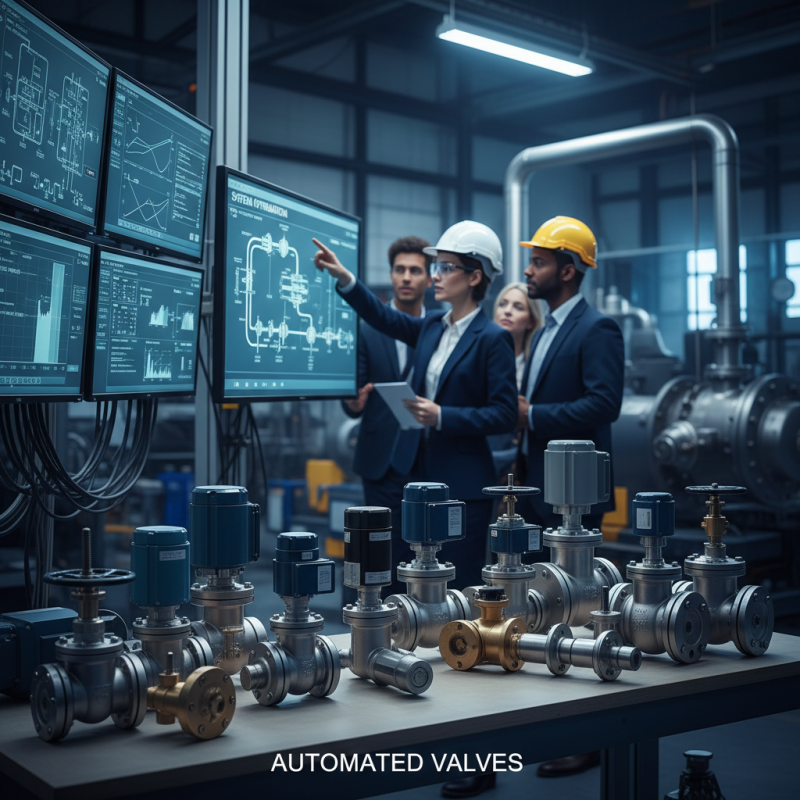
Understanding the Different Types of Automated Valves
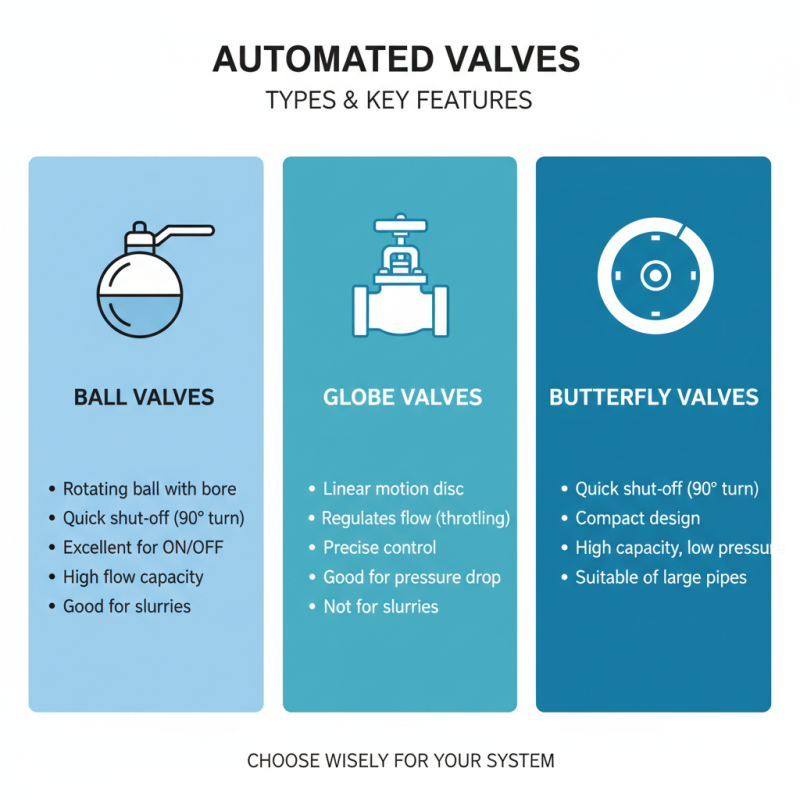
Automated valves play a vital role in many industrial systems. Understanding the different types can help you make informed choices. There are several common types of automated valves, including ball, globe, and butterfly valves. Each has unique features, advantages, and limitations.
Ball valves are great for on-off control. They offer quick operation and low resistance to flow. However, their regulation capabilities are limited. Globe valves, on the other hand, are excellent for throttling. They can handle variable flow rates efficiently but often have higher pressure drops. Butterfly valves provide a lightweight and compact solution. They are suitable for larger pipes, but may not seal as tightly as other options.
Selecting the right valve requires balancing performance and cost. It's crucial to consider the specific needs of your system. Compatibility with the fluid, pressure requirements, and temperature are essential factors. Reflect on these aspects to avoid common mistakes. Always consult with experts when uncertain. Their insights can save you time and resources in the long run.
Key Factors to Consider When Selecting Automated Valves
When selecting automated valves for your system, a few key factors come into play. The valve type is crucial. For instance, ball valves and butterfly valves serve different functions. A report from the Global Market Insights suggests that rising demand for automation is driving the growth of these components by over 6% annually. Thus, understanding your application can greatly influence your choice.
Next, consider the material. Corrosive environments require robust materials. Metals like stainless steel are common, but plastic valves may be sufficient for non-corrosive substances. Data from the Flow Control Industry shows that inappropriate material selection is a common oversight, leading to system failures. Regular evaluations of materials against your operational conditions can mitigate this risk.
Lastly, the integration capabilities should not be ignored. Assess how well the valves will connect with your existing systems. This includes considering the control technology. Various protocols like Modbus or Profibus can impact efficiency. Reports indicate that lack of compatibility can lead to a decrease in system reliability by up to 30%. Therefore, it's critical to analyze these aspects thoroughly before making a decision.
Assessing Compatibility with Your System's Specifications
Choosing the right automated valves for your system involves careful assessment of compatibility with your specifications. Begin by identifying the system’s pressure and temperature ranges. Ensure that the valves can handle these conditions effectively. Check the construction materials as well. They should resist corrosion and wear for long-lasting performance.
It is also vital to evaluate the flow requirements. Consider the expected flow rates and the type of fluid in the system. Different fluids may interact differently with valve materials. This can lead to unexpected issues down the line. In some cases, potential mismatches in sizing might affect overall efficiency.
Don’t overlook control signals and power requirements. The type of actuator used could influence integration within your existing system framework. Compatibility issues can arise from simple misalignment. Be prepared to iterate your choices, keeping in mind that every component plays a part in system performance. A detailed assessment may save you from costly modifications later.
How to Choose the Right Automated Valves for Your System? - Assessing Compatibility with Your System's Specifications
| Valve Type |
Actuation Method |
Material |
Pressure Rating (psi) |
Temperature Range (°F) |
Flow Coefficient (Cv) |
| Ball Valve |
Electric |
Stainless Steel |
1500 |
-20 to 350 |
25 |
| Globe Valve |
Pneumatic |
Brass |
800 |
-4 to 180 |
15 |
| Butterfly Valve |
Manual |
PVC |
150 |
32 to 140 |
10 |
| Check Valve |
Spring Operated |
Cast Iron |
600 |
-40 to 250 |
20 |
Evaluating Performance and Reliability of Automated Valves
When evaluating the performance and reliability of automated valves, factors like control precision and failure rates must be considered. Recent studies indicate that nearly 25% of valve failures stem from improper selection. The consequences can lead to significant downtime and maintenance costs. An analysis of nearly 200 facilities revealed that replacing malfunctioning valves saved an average of 15% in operational costs annually.
Performance metrics like response time and durability under pressure play a crucial role in selection. Data shows that high-performance automated valves reduce energy consumption by up to 20%. Understanding the application environment is essential. For example, valves in corrosive environments show higher failure rates. The material choice directly impacts longevity.
Reliability is not just a number; it's about minimizing risks. Trustworthy data sources indicate that regular maintenance can extend valve life by 30%. However, many facilities neglect this, resulting in unpredictable performance. Assessing a valve's lifecycle and service history can provide critical insights. Each choice involves trade-offs, and being aware of these nuances is vital for a robust system.
Automated Valves Performance Comparison
Cost Analysis and Budgeting for Automated Valve Systems
When budgeting for automated valve systems, cost analysis is crucial. Start by considering initial purchase prices. Different types of valves have varying costs. You’ll want to balance your budget against system requirements. Research the expected lifespan of the valves. Longer-lasting products may offer a better return on investment.
Installation costs should also be assessed. Complex setups require skilled installation, which can drive up expenses. Don't forget maintenance costs. Automated valves may need regular servicing. Create an estimated five-year budget to encompass all these factors. This helps in making informed decisions over time.
Finally, consider the impact of energy consumption. Some automated valves can reduce overall system energy use. While these may have higher upfront costs, savings on utility bills can add up. Always seek expert advice when navigating these financial aspects.
 skip to Main Content