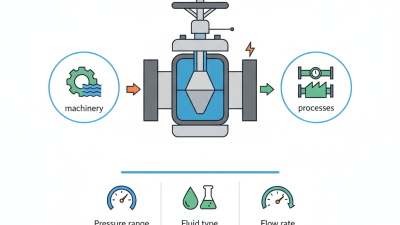
How to Choose Pneumatic Hydraulic Components in 2026?
Choosing pneumatic hydraulic components in 2026 requires more than comparing prices or browsing attractive product photographs. Each valve, cylinder, pump, filter, hose, and fitting must match the machine’s pressure, temperature, speed, fluid, and duty cycle. A compact pneumatic cylinder may perform well on a packaging line, yet fail when exposed to oil mist, side loading, or repeated shock. Hydraulic equipment demands similar caution, especially where pressure spikes can damage seals, manifolds, or connected actuators.
Real-world selection begins with measurable operating conditions. Record working pressure, peak pressure, flow rate, ambient temperature, stroke length, cycle frequency, and available installation space. Check whether compressed air quality meets the component manufacturer’s requirements. For hydraulic systems, confirm fluid compatibility and filtration levels before choosing seals or pumps. Small details matter. A contaminated filter can shorten service life dramatically.
Reliable decisions also require evidence. Review technical datasheets, pressure ratings, material specifications, test methods, warranty terms, and traceable certifications. Speak with experienced engineers or authorized distributors when application conditions remain uncertain. In practice, product catalogs sometimes hide limitations. A component rated for maximum pressure may not tolerate continuous operation at that level. This is easy to overlook.
There is no perfect selection formula. I have seen technically correct choices perform poorly because maintenance access was ignored. Therefore, this guide examines practical criteria, safety margins, lifecycle costs, supplier credibility, and compatibility. It also considers emerging 2026 priorities, including energy efficiency, predictive monitoring, modular design, and easier replacement. The goal is simple: select components that work reliably in the real machine, not only on paper.
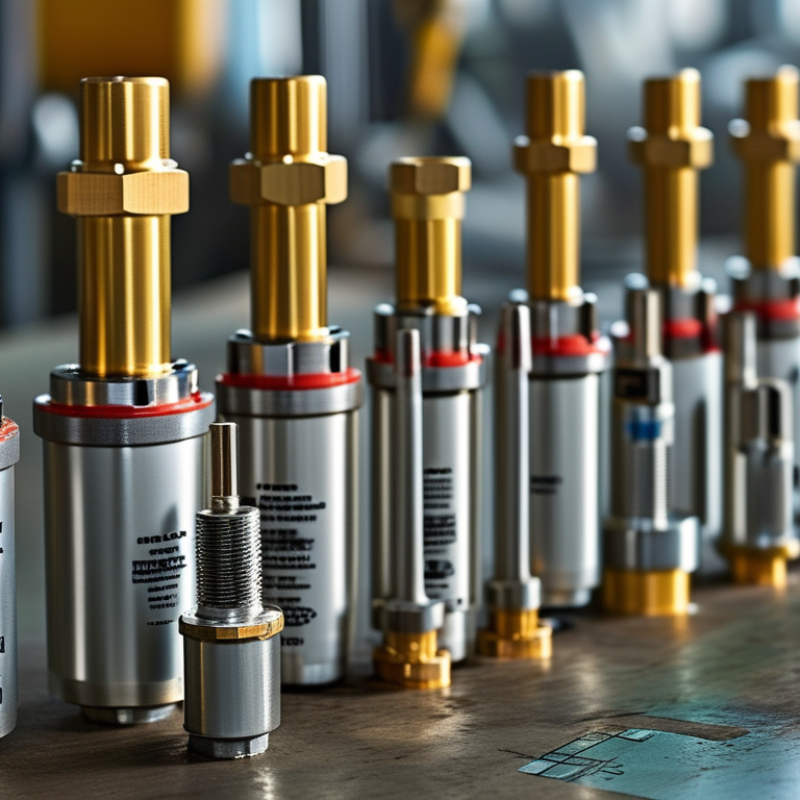
What Are Pneumatic and Hydraulic Components?
Pneumatic and hydraulic components are the working parts that control fluid power. Pneumatic systems use compressed air, while hydraulic systems use pressurized liquid, usually oil or water-based fluid. Air is clean, quick, and suitable for light automation. Hydraulic fluid delivers greater force for lifting, pressing, and heavy movement.
A pneumatic circuit may include a compressor, air filter, regulator, valve, tubing, and cylinder. The filter removes water and particles. The regulator controls pressure. The valve directs airflow, and the cylinder creates linear motion. Hydraulic equipment often uses a reservoir, pump, relief valve, directional valve, hoses, and actuator. A relief valve is essential because excessive pressure can damage seals, pipes, or machinery.
Choosing components in 2026 requires more than matching pressure and connection size. Check the required force, stroke length, operating speed, temperature, fluid compatibility, and duty cycle. A cylinder moving a metal fixture every ten seconds needs different seals from one working outdoors in cold weather. Sensors can track pressure, leakage, and cycle changes, but they cannot repair poor installation. Follow recognized guidance such as ISO 4413 for hydraulics and ISO 4414 for pneumatics. In practical maintenance, small leaks often reveal bigger design problems. I have seen systems selected correctly on paper but weakened by undersized hoses, sharp bends, or neglected filtration. Some choices remain uncertain, especially when real loads vary. Test under actual conditions before finalizing the design.
How to Define System Requirements and Operating Conditions
Choosing pneumatic and hydraulic components in 2026 starts with defining the system, not browsing a catalog. Record the required force, speed, movement distance, cycle frequency, and response time. For pneumatic circuits, measure available air pressure and flow at the machine, not only at the compressor. For hydraulic systems, calculate working pressure, peak pressure, flow rate, and heat load. A cylinder lifting 500 kilograms needs different protection than one moving a light inspection fixture.
Operating conditions can change the selection quickly. Note ambient temperature, dust, moisture, vibration, washdown exposure, and installation space. Check whether the machine operates continuously or only for short cycles. Material compatibility also matters when seals contact oils, coolants, or cleaning fluids. Include emergency stopping requirements and acceptable leakage limits. Small assumptions can create large failures. A first specification is rarely complete. Recheck it with measured data after installation.
Tips: Build a simple duty-cycle table. Include normal, minimum, and peak conditions. Measure pressure during motion, because static readings can mislead. Leave a practical safety margin, but avoid excessive oversizing. Oversized valves may increase cost and reduce control quality. Review noise, maintenance access, filtration, and drainage before approval. If two requirements conflict, document the compromise instead of hiding it.
How to Match Component Types to Application Needs
How to Choose Pneumatic Hydraulic Components in 2026?
How to Match Component Types to Application Needs
Choosing pneumatic or hydraulic components should begin with the machine’s actual work, not a catalog picture. Define load, speed, duty cycle, temperature, available space, and contamination risks. A compact pneumatic cylinder suits quick, repetitive movement. A hydraulic cylinder is better for high force in a small footprint. I have seen systems fail when designers matched pressure ratings but ignored side loads. That mistake is expensive.
Match each component to the application path. Use valves with response times that fit the control cycle. Select hoses and fittings for pressure, temperature, vibration, and bending radius. For dusty areas, protect rod surfaces and specify suitable sealing materials. Check flow capacity under real operating conditions, because theoretical numbers can mislead. Keep a small safety margin, but avoid excessive sizing. Oversized parts may waste energy and reduce control accuracy. I still review these choices after testing; field behavior often challenges the first calculation.
Tips: Measure the load at startup, not only during steady motion. Record cycle times with a simple sensor. Ask maintenance staff where leaks or noise usually appear. Test one assembly under realistic temperature and contamination levels. Document pressure, flow, and replacement intervals. This evidence supports reliable decisions and makes future servicing easier. Do not treat a supplier data sheet as final proof. Verify critical values independently.
How to Evaluate Materials, Performance, and Compatibility
Choosing pneumatic and hydraulic components in 2026 requires material evidence, not catalogue pressure ratings. In field audits, I compare wetted materials, seals, temperature, fluid chemistry, and duty cycle. Stainless steel resists corrosion, but it does not suit every fluid. Polyurethane seals handle abrasion well, while fluorocarbon compounds tolerate higher temperatures. However, low-temperature flexibility may suffer.
The U.S. Department of Energy’s Improving Compressed Air System Performance: A Sourcebook reports that leaks can waste 20–30% of compressor output. That figure makes seal selection an energy decision, not merely a maintenance detail. Check ISO 4413 for hydraulic safety principles and ISO 4414 for pneumatic system requirements.
Performance must be measured under actual operating conditions. A valve rated for 10 bar may perform poorly during cold starts, contamination, pressure drops, or rapid cycling. I record response time, flow, noise, and heat after repeated cycles. Small details matter. A narrow tube, restrictive fitting, or undersized return line can erase expected performance.
Compatibility also includes threads, mounting geometry, electrical signals, cleanliness, and maintenance access. The U.S. DOE sourcebook recommends measurement-based compressed-air assessments, rather than relying on assumptions. I have learned that a perfect spreadsheet can still miss vibration or seal swelling. Recheck the fluid data, temperature range, and connection tolerances before approval. One overlooked interface can stop an otherwise capable system.
 skip to Main Content