Why Choose ASTM304 Stainless Steel for Your Projects?
When discussing the advantages of using Astm304 Stainless Steel, expert Mark Johnson emphasizes its versatility. He noted, “ASTM304 sets the standard for durability and adaptability.” This material offers exceptional corrosion resistance, making it ideal for diverse environments. Whether in construction or kitchen applications, ASTM304 stainless steel meets a variety of project needs.
This stainless steel grade is known for its strength and formability. It is lightweight yet can withstand heavy loads. In many cases, projects may face challenges when selecting materials. Some might overlook the importance of corrosion resistance, for instance. However, choosing ASTM304 stainless steel ensures long-lasting performance in demanding conditions.
The balance between cost and quality is crucial. While ASTM304 may seem pricier upfront, its longevity reduces costs over time. Users often express concern about material choices; some need more guidance. Understanding ASTM304 stainless steel’s properties is essential for informed decisions. This awareness can lead to greater reliability and value in projects.
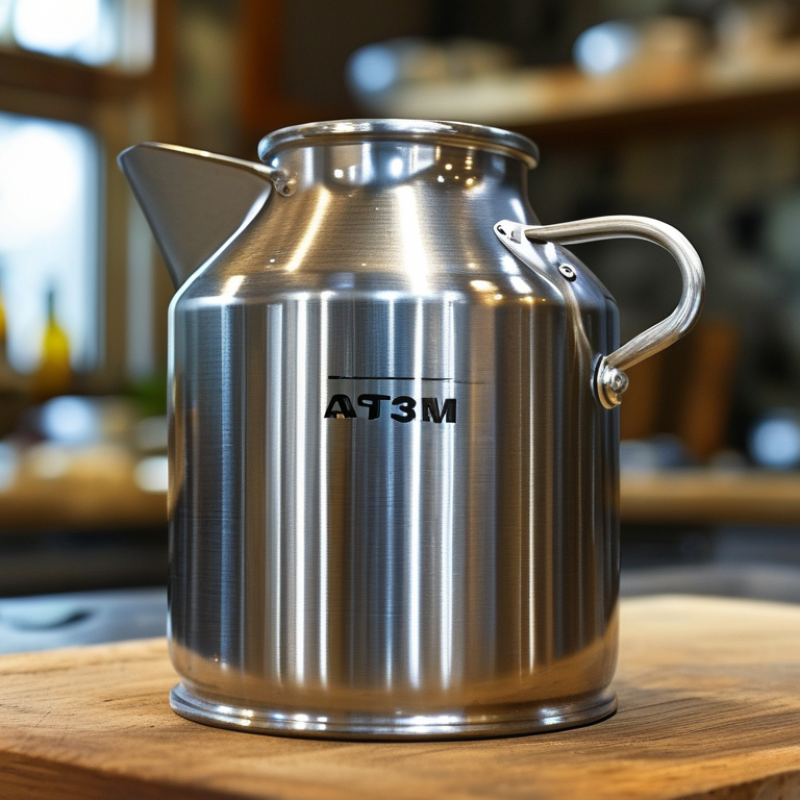
Overview of ASTM304 Stainless Steel Characteristics
ASTM304 stainless steel is widely recognized for its versatile properties. It contains a mix of 18% chromium and 8% nickel. This composition creates a robust material. It is highly resistant to oxidation and corrosion, making it ideal for various applications. According to industry studies, ASTM 304 has excellent durability, maintaining strength even at elevated temperatures.
Another key characteristic is its formability. ASTM304 can be easily shaped into various forms. This includes sheets, plates, and tubes. The material responds well to welding and fabrication. Reports suggest that over 50% of stainless steel usage in the United States is ASTM 304. This statistic highlights its importance in construction, food processing, and chemical industries. It's a reliable choice, though not without its drawbacks.
While ASTM304 stainless steel is strong, it has its limitations. For instance, it can suffer from stress corrosion cracking in certain environments. When considering this material, it's essential to evaluate the specific conditions it will encounter. Users must be mindful of potential weaknesses, ensuring it aligns with their project requirements. Understanding these characteristics helps in making informed decisions.
Key Advantages of Using ASTM304 in Various Applications
ASTM304 stainless steel is widely recognized for its versatility and durability. It is a popular choice in various applications, from kitchen equipment to automotive parts. One key advantage is its excellent corrosion resistance. This property allows it to perform well in moist or acidic environments, making it suitable for food processing and chemical industries. Additionally, ASTM304 can withstand high temperatures, adding to its appeal in applications requiring thermal stability.
Another significant benefit is the material's formability. It can be easily shaped into different designs, which is crucial for custom projects. This flexibility enables engineers and designers to create innovative solutions. However, the welding process may pose challenges. Careful handling is needed to maintain the integrity of the material.
ASTM304 also boasts a polished finish, which enhances its aesthetic appeal. This feature makes it ideal for architectural applications where appearance matters. Yet, it may be prone to scratches, which requires consideration in maintenance practices. Awareness of these nuances is essential when incorporating ASTM304 into projects.
Comparison of ASTM304 with Other Stainless Steel Grades
ASTM 304 stainless steel is a popular choice in various industries due to its excellent corrosion resistance and durability. When compared to other grades like ASTM 316, a notable difference lies in their molybdenum content. ASTM 316 has higher molybdenum levels, enhancing its resistance to chlorides. This makes it ideal for marine environments. However, ASTM 304 is still effective in many applications where exposure to harsher chemicals is limited.
In terms of mechanical properties, ASTM 304 offers good tensile strength and weldability. According to the ASTM International standards, it has a yield strength of approximately 215 MPa. This makes it suitable for construction and fabrication. When comparing it to grades like ASTM 430, ASTM 304 demonstrates superior corrosion resistance, but 430 could be more cost-effective for less corrosive environments due to its lower nickel content.
Despite its many strengths, ASTM 304 is not without drawbacks. It can be more prone to pitting in high-chloride environments, compared to ASTM 316. Projects requiring extensive exposure to such conditions may reconsider using 304. Always assess specific project needs and environmental factors when selecting stainless steel grades.
Why Choose ASTM304 Stainless Steel for Your Projects? - Comparison of ASTM304 with Other Stainless Steel Grades
| Property | ASTM 304 | ASTM 316 | ASTM 430 |
| Corrosion Resistance | Good | Excellent | Fair |
| Chemical Resistance | Moderate | Higher | Low |
| Magnetic Properties | Non-Magnetic | Non-Magnetic | Magnetic |
| Weldability | Excellent | Good | Fair |
| Cost | Moderate | Higher | Lower |
Common Projects and Industries Utilizing ASTM304 Stainless Steel
ASTM304 stainless steel is favored across various industries due to its versatility and durability. In the construction sector, it is commonly used for handrails, structural components, and exterior finishes. Its resistance to corrosion makes it ideal for buildings exposed to harsh weather conditions. Residential projects also benefit, as kitchen appliances and fixtures made of ASTM304 offer both style and longevity.
In the food industry, ASTM304 is the material of choice for equipment and storage. It does not react with food, ensuring safety and hygiene. Hence, many restaurants and food processing plants incorporate this stainless steel in their operations. The automotive sector utilizes ASTM304 for exhaust systems and components due to its good formability and resistance to high temperatures.
When selecting materials, consider the project's specific demands. Evaluate the environment and intended use. ASTM304 may excel in many areas, but it isn't invincible. For projects requiring extreme resistance to chemicals or temperatures, alternatives might be necessary. Understanding the limitations will lead to smarter choices.
Maintenance and Care Tips for ASTM304 Stainless Steel Products
ASTM304 stainless steel is known for its outstanding durability and versatility. However, proper maintenance is essential to keep it looking its best. Regular cleaning is a must. Use warm, soapy water and a soft cloth to wipe down surfaces. This will help prevent buildup of grime and corrosion. Avoid using abrasive materials that can scratch the surface.
Although ASTM304 is resistant to rust, it can still develop surface stains. A mixture of vinegar and water can be effective for this. Apply the solution, let it sit for a few minutes, then rinse and dry thoroughly. Regular inspections can help catch any issues early. Look for signs of discoloration or pitting, which may indicate deeper problems.
It's important to remember that while ASTM304 is low-maintenance, neglect can lead to deterioration. Consider the environment in which the steel is used. In coastal areas, for example, salt can corrode stainless steel. A proactive approach can extend the life of your ASTM304 products significantly. Regular care and attention to cleaning practices will ensure your projects remain both functional and aesthetically pleasing.
 skip to Main Content
