skip to Main Content

China Best Telemecanique Sensors Supplier for Global Buyers

For global buyers, choosing a Telemecanique Sensors supplier is not just a price comparison. It is a decision about fit, continuity, and technical support. A proximity sensor on a packaging line may face oil mist, vibration, and frequent cleaning. A photoelectric sensor may need to detect dark, moving objects under changing light. Small details matter.

Measurement pioneer Lord Kelvin captured the value of reliable measurement: “When you can measure what you are speaking about, and express it in numbers, you know something about it.” That principle applies to sensor selection. Buyers should compare sensing distance, output type, housing, connection, and operating conditions—not rely on a product name alone. A capable supplier can clarify specifications and help match products to real applications. Still, even a careful recommendation deserves a second check against the machine’s environment.

This guide examines what global buyers should look for in a China-based Telemecanique Sensors supplier, from product documentation to communication and after-sales support. It also considers practical warning signs, such as unclear model details or answers that avoid technical questions. No supplier is a perfect fit for every project. The right choice depends on your requirements, verification, and the support available when production is running.
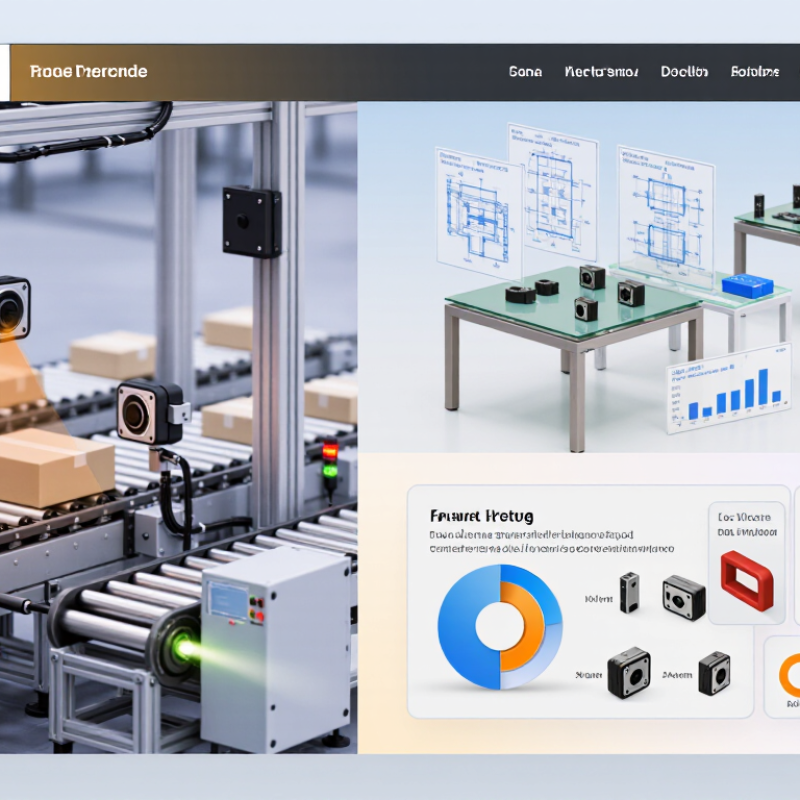
China Best Telemecanique Sensors Supplier for Global Buyers

What Telemecanique Sensors Are and How They Work

Industrial sensors detect the presence, position, or movement of objects and convert that change into an electrical signal. A controller can then use the signal to start, stop, or adjust a machine. An inductive sensor responds to metal entering its electromagnetic field. A capacitive sensor can detect materials such as plastic or liquid by sensing changes in capacitance. Photoelectric sensors use a beam of light; an object interrupts or reflects it. Mechanical limit switches use a moving actuator that is pressed by a part. Each method suits different targets and surroundings.

The sensing principle is only part of the job. On a conveyor, for example, a photoelectric sensor must be aligned with the path of a passing carton, while its cable needs protection from abrasion. The controller receives an output when the target reaches the sensing zone, though response time and switching distance vary by model. Dust, moisture, vibration, and nearby metal can affect performance. Check the sensor’s rated supply, output type, and environmental protection before installation. Small details matter. A sensor may work during a bench test but miss objects once mounted beside a motor or under bright light. That is worth checking in the actual setup.

Key Telemecanique Sensor Types and Applications

Industrial sensors do different jobs, even when they look similar on a parts list. Inductive proximity sensors detect metal targets without contact, making them useful for checking steel fixtures or confirming a machine slide has reached position. Capacitive models can sense materials such as plastic, grain, or liquid through some nonmetallic container walls. Their sensitivity needs careful adjustment; nearby surfaces can cause false signals.

Photoelectric sensors use a light beam to detect objects on conveyors, count packages, or check whether a label is present. Dust, glare, and transparent film can complicate detection, so test the sensor with the actual product and mounting distance.

Ultrasonic sensors measure distance using sound waves. They can help monitor liquid levels or detect irregular objects when color changes make optical sensing unreliable. Not always the simplest choice.

Mechanical limit switches respond when a moving part presses an actuator. They are practical for end-of-travel checks, but repeated impacts can wear components over time.

Pressure sensors monitor air or liquid systems, helping operators spot a drop before a cylinder slows or a line stops. Match each sensor’s output, sensing range, enclosure, and response time to the control system and environment. A short trial on the real machine often reveals issues that a catalog cannot.

How to Evaluate Suppliers in China

When sourcing industrial sensors in China, judge suppliers by evidence, not polished catalog pages. Ask for the exact model code, output type, sensing range, connection details, and operating limits. Compare each item against your equipment drawing. Small mismatches matter. A sensor with the wrong connector can delay an otherwise sound installation.

Request a current datasheet, inspection records, and a sample from the production line you expect to buy from. Check dimensions, labels, cable length, and switching behavior on your own test bench. Ask how incoming components are checked and how failed units are traced. A clear answer should name records, responsible roles, and response times. Vague promises are not enough. If a factory visit is practical, observe packing and final inspection, not only the showroom.

Compare lead times, minimum order quantities, warranty terms, and spare-part availability in writing. Confirm how specification changes are communicated. Speak with two or three existing buyers, where possible, and ask about delivery consistency after the first order. No scorecard is perfect. Price can dominate the decision, and that instinct deserves a second look. A low quote may omit testing or protective packaging. Keep notes from calls and sample checks; memory tends to smooth over awkward details. A supplier that admits limits and documents corrective action may be more dependable than one claiming zero defects.

China Best Telemecanique Sensors Supplier for Global Buyers - How to Evaluate Suppliers in China

Use this scorecard to compare sensor suppliers. The weights are an evaluation framework, not a universal industry standard. Score each item from 1 (weak or unverified) to 5 (strong and well documented); calculate the weighted score as score ÷ 5 × weight.

Evaluation dimension Weight What to verify Useful evidence
Product fit and technical accuracy 20% Confirm sensor type, sensing distance, supply voltage, output type, switching logic, connection, operating temperature, and installation constraints match the application. Current datasheets, dimensional drawings, wiring diagrams, and a written response to the application requirements.
Quality management and traceability 15% Check documented inspection controls, handling of nonconforming products, corrective actions, and traceability by batch or production lot. A valid quality-management certificate where applicable, sample inspection records, and a description of lot identification and complaint handling.
Compliance documentation 15% Determine which market rules apply to the exact product and configuration. For EU sales, assess applicable conformity, EMC, and substance-restriction requirements; requirements depend on product scope and destination. Product-specific declarations, relevant test reports, and supporting technical documentation. Verify document scope, model references, and issuing laboratory details.
Testing and sample validation 15% Assess whether samples perform consistently under the stated load, target material, mounting conditions, and environment. Confirm protection claims against the intended use. Pre-production samples, agreed acceptance criteria, test results, and—when an IP rating is claimed—relevant test evidence referencing IEC 60529.
Production capacity and delivery control 10% Check the supplier’s production arrangement, component sourcing risks, order planning, and ability to communicate schedule changes. Distinguish manufacturer, authorized channel, and trading company roles. A documented production flow, capacity statement tied to the requested order, lead-time assumptions, and a contingency plan for key components.
Customization and change control 8% Confirm how changes to cable length, connector, housing, labeling, or electrical specifications are reviewed and approved before production. Written change-control procedure, revised drawings, approved sample records, and clear confirmation of minimum order quantities or tooling charges.
Commercial transparency 7% Compare like-for-like specifications, Incoterms, payment terms, packaging, warranty coverage, and any costs for samples or customization. Itemized quotation, written warranty terms, stated quotation validity, and clearly identified exclusions.
Communication and after-sales support 5% Evaluate response clarity, technical escalation, complaint investigation, and access to replacement or corrective-action support. Named support contacts, agreed response process, and documented handling steps for failures or returns.
Export and packaging readiness 5% Confirm export paperwork, shipping marks, protective packaging, and destination-specific labeling needs before placing an order. A sample packing list, packaging specification, and confirmation of the documents supplied with the shipment.
Total evaluation weight 100% Keep supporting evidence with each score. Treat missing or unverifiable documents as an open risk rather than assuming compliance.

Practical check: Approve a supplier only after the exact product configuration, required market documentation, sample results, commercial terms, and order responsibilities have been reviewed and recorded.

Product Authentication, Compliance, and Quality Control

A dependable sensor supply chain begins with traceable product records.

Buyers should match each unit’s model code, batch label, and packaging details against the purchase documents. Ask for clear photographs and a documented chain of custody when shipment records are incomplete. Small inconsistencies matter. A faded label or mismatched code can delay installation and complicate later maintenance.


Compliance checks should reflect the destination market and the sensor’s intended use. Request current declarations, test reports, and relevant technical data, then verify that documents describe the exact product variant being supplied. Quality control should include visual inspection, dimensional checks, and sample testing against stated operating limits. Keep inspection results linked to batch numbers.

No checklist is perfect. A sample may miss a rare defect, and paperwork can be outdated. Periodic supplier reviews, incoming inspections, and prompt reporting of discrepancies help buyers spot gaps before sensors reach production lines. Clear records also make warranty discussions and replacement decisions more practical.

International Sourcing, Shipping, and After-Sales Support

For global buyers sourcing industrial sensors from China, dependable procurement starts with evidence, not a low quotation. Confirm the exact part number, electrical specifications, operating range, and packaging before payment. Ask for dated product photos, batch identification, and inspection records. Small details matter. A mismatch in connector type can stop installation, even when the sensor itself is correct. The World Bank’s 2023 Logistics Performance Index assessed 139 economies, highlighting how logistics capability varies across supply chains. Buyers should therefore agree on shipment milestones, export packing, tracking updates, and who handles document corrections before goods leave the factory.

Shipping plans need room for disruption. UNCTAD’s Review of Maritime Transport 2024 reports that maritime trade volumes grew 2.4% in 2023 and forecasts 2% growth for 2024. That scale makes clear why freight schedules can shift. For time-sensitive orders, compare air and sea options, check carton dimensions, and request tracking details tied to each package. Delays happen. After delivery, reliable support means a named contact, clear warranty conditions, troubleshooting guidance, and access to replacement units. Keep serial and batch records with installation notes. A practical weakness remains: buyers sometimes approve a substitute too quickly. Ask for written confirmation of compatibility before accepting one.

China Best Telemecanique Sensors Supplier for Global Buyers - International Sourcing, Shipping, and After-Sales Support

Indicative international shipping transit-time ranges

Transit times are planning estimates, not guaranteed delivery dates. Actual times vary by route, carrier, customs clearance, and other conditions.

Back To Top
