What is a Butterfly Valve and Where to Find Them for Sale?
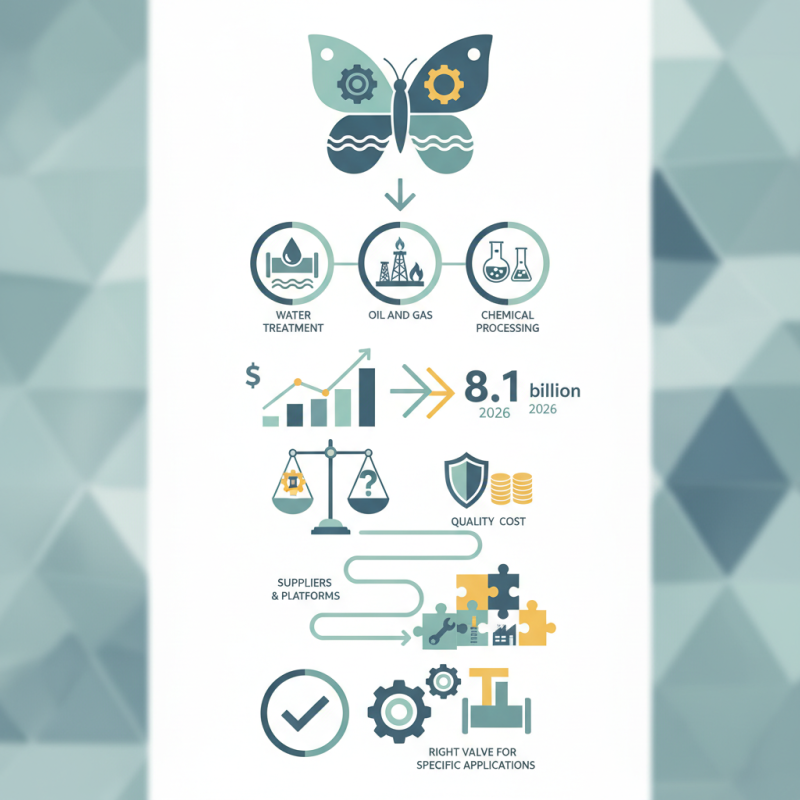
Butterfly valves are essential components in various industries, controlling the flow of fluids effectively. With their simple design and easy operation, these valves have gained immense popularity. According to a recent industry report by MarketsandMarkets, the global butterfly valve market is projected to reach USD 8.1 billion by 2026, growing at a CAGR of 5.1%. This growth indicates a strong demand for butterfly valves for sale.
In sectors such as water treatment, oil and gas, and chemical processing, butterfly valves play a crucial role. They are favored for their compact design and lightweight, which streamline installation. However, while many options are available, not all butterfly valves meet the same quality standards. Buyers should be cautious when selecting, as the durability and efficiency can vary significantly among manufacturers.
Moreover, obtaining butterfly valves for sale involves navigating numerous suppliers and platforms. Pricing is another factor, and it often differs across vendors. It's important to weigh the cost against quality and reliability. Failing to do so can lead to performance issues and increased maintenance costs. Hence, a thoughtful approach is vital in identifying the right butterfly valve for specific applications.
What is a Butterfly Valve?
A butterfly valve is a sophisticated and efficient device used for regulating fluid flow. It employs a rotating disc to control the passage of liquid or gas. This type of valve is favored in various industries due to its compact design and lightweight nature. The market for butterfly valves is projected to grow significantly, reaching approximately $8 billion by 2025, according to industry reports.
The unique design of a butterfly valve allows for rapid opening and closing. This can lead to reduced energy consumption, especially in large operations. However, their effectiveness depends heavily on proper installation and maintenance. Improper use can result in leaks or pressure drops, which can compromise efficiency. Many users overlook the significance of regular inspections, leading to unexpected failures.
In various applications, such as water treatment and chemical processing, the choice of butterfly valves can significantly impact performance. Factors like valve size, material, and type of actuator should be considered. The wrong choice can lead to operational challenges. Companies often find it challenging to balance cost and quality. Understanding these details is crucial for achieving optimal system performance.
Key Components and Operation of Butterfly Valves
A butterfly valve is a quarter-turn rotational valve. It uses a disc-shaped element to control fluid flow. This design maximizes efficiency and minimizes space. A few key components are essential for its operation.
The main component is the disc. It can open or close flow depending on its position. When the disc is parallel to the flow, it is open. When perpendicular, it is closed. The actuator controls the disc's movement; it can be manual or automatic. The design allows a tight seal when closed, reducing leakage.
Butterfly valves work well in various applications. They are common in water distribution, chemical processing, and HVAC systems. Their simplicity leads to fewer maintenance requirements. However, there are still some drawbacks. They may not provide a complete seal in all situations. Users should always consider the specific needs before making a decision.
Butterfly Valve Market Analysis
Applications of Butterfly Valves in Various Industries
Butterfly valves play a crucial role in many industries. They are widely used in water treatment plants. Their design allows for quick opening and closing. This feature is essential for managing flow rates effectively.
In the food and beverage industry, butterfly valves are important. They help control the flow of liquids with precision. These valves are easy to clean and maintain, ensuring hygiene standards. In chemical processing, they handle corrosive substances. Their ability to operate at high pressures and temperatures is vital.
However, not every application suits a butterfly valve. In some cases, different valve types may perform better. Understanding the specific needs of each application is key. Regular inspections can help prevent failure and ensure optimal performance. Users should consider these aspects when choosing valves for their systems.
Factors to Consider When Buying Butterfly Valves
When buying a butterfly valve, certain factors are crucial. Start by considering the type of materials. Common options include stainless steel, PVC, and cast iron. Each material offers different durability and corrosion resistance. Think about your specific application. Some environments require high-performance valves, while others may not.
Another key aspect to consider is the valve size. It must match your pipe’s diameter. An incorrect size can lead to leaks or inefficient flow. Additionally, check the pressure rating and temperature limits. These details ensure the valve operates effectively under varying conditions.
**Tip:** Always review technical specifications carefully.
It’s also essential to assess the valve’s design features. Some valves have a sturdy disc that enhances flow control. Others may come with a lightweight design for easy installation. Keep in mind that a more complex design could result in higher maintenance.
**Tip:** Prioritize ease of use but don't overlook potential complications.
Lastly, think about the supplier. A trusted source can make a significant difference. Look for feedback and reviews. While price is important, it should not overshadow quality. Balancing cost with reliability can take time and effort.
What is a Butterfly Valve and Where to Find Them for Sale? - Factors to Consider When Buying Butterfly Valves
| Valve Size (inches) | Material | Pressure Rating (psi) | Temperature Range (°F) | End Connection Type | Typical Applications |
| 2 | Cast Iron | 150 | -20 to 250 | Flanged | Water Treatment |
| 4 | Stainless Steel | 300 | -20 to 350 | Wafer | Chemical Processing |
| 6 | PVC | 150 | -40 to 140 | Socket | Irrigation |
| 8 | Ductile Iron | 150 | -20 to 300 | Flanged | HVAC Systems |
| 10 | Carbon Steel | 300 | -20 to 400 | Wafer | Oil and Gas |
Where to Find Butterfly Valves for Sale: Sources and Suppliers
Butterfly valves are essential components in various industries. They are widely used in water supply, chemical processing, and HVAC systems. Their design allows for quick and efficient flow control. When looking for butterfly valves for sale, it's important to consider your specific needs.
Many suppliers offer a range of butterfly valves. Online marketplaces provide a convenient way to browse options and compare prices. Local industrial supply stores may have what you need as well. However, finding the right valve can be challenging. Some suppliers might not have the most suitable products for your applications. Checking reviews and seeking recommendations can help filter options.
Networking with industry professionals can yield valuable insights. Attend trade shows or join online forums. These platforms can connect you with reliable suppliers. It may take time and effort to find the perfect fit for your project. However, thorough research will ensure you make informed decisions.
 skip to Main Content
