skip to Main Content

7 Best Steel Pipe Suppliers for Global Buyers

Choosing a Steel Pipe supplier can shape a project long after the purchase order is signed. The right partner must deliver consistent dimensions, dependable material records, and realistic shipping timelines. A low quote may look attractive, but it does not reveal how a mill handles inspection, packaging, or delays.

This guide introduces seven suppliers serving buyers across international markets. It considers practical factors such as product range, manufacturing capabilities, quality documentation, and export experience. Buyers should also check whether a supplier can provide the required pipe grade, wall thickness, diameter, and finish. Small differences matter. A pipe that misses a specification can create costly rework on site.

Supplier information can change, and a strong reputation does not guarantee the right fit for every order. No shortlist is perfect. Before committing, request current certificates, confirm production and delivery schedules, and clarify how defects or shortages are handled. Ask specific questions. A clear answer about traceability is more useful than a broad promise of quality. The seven companies featured here offer a starting point for comparison, not a substitute for due diligence. Their suitability will depend on your application, order volume, destination, and technical requirements. Even experienced buyers sometimes overlook one detail: whether the supplier’s documentation matches the exact batch shipped. That check takes time, but it can prevent confusion later.
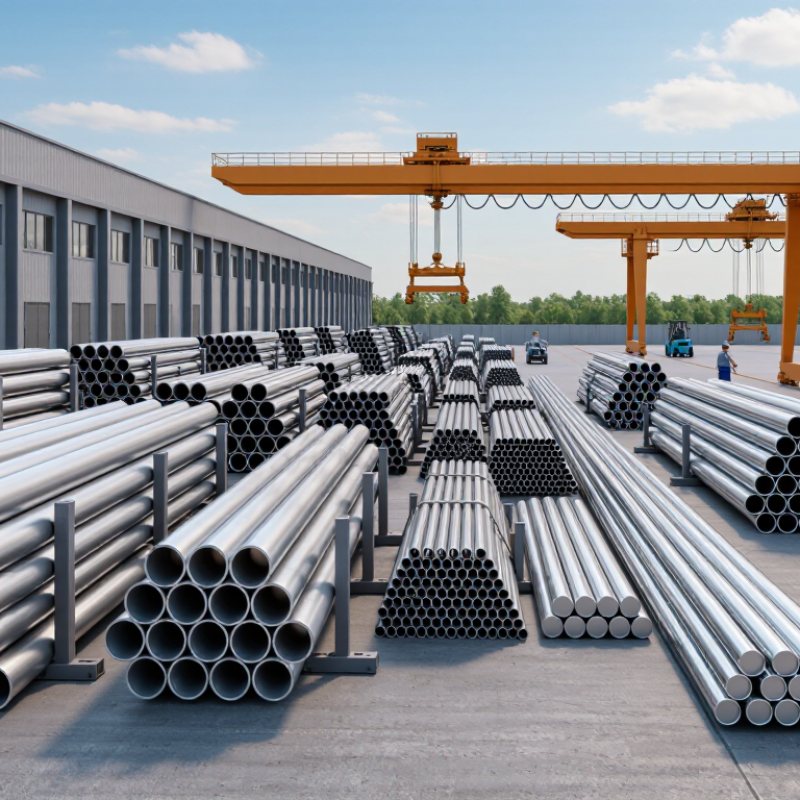
7 Best Steel Pipe Suppliers for Global Buyers

The Role of Steel Pipe Suppliers in Global Markets

Steel pipe suppliers connect mills, fabricators, and buyers across markets with different technical needs. Their role goes beyond quoting a price. They help buyers match pipe dimensions, wall thickness, steel grade, and manufacturing method to a project’s specifications. A mismatch can delay installation or require costly rework. Details matter.

Reliable suppliers also make product information easier to verify. Mill test certificates, inspection records, and clear marking help buyers check that delivered pipes match the order. For a shipment crossing several borders, consistent documents can prevent avoidable hold-ups. Packaging matters too: protective end caps and secure bundling reduce damage during handling and transport.

Communication is another part of the job. A capable supplier confirms lead times, explains production limits, and flags specification gaps before production begins. This is especially useful when project teams work across time zones or use different measurement conventions. Still, a polished quotation is not proof of dependable performance. Buyers should compare technical documents, inspection arrangements, and delivery commitments, not price alone. Some questions may feel repetitive, but skipping them can be worse. Global supply chains are complex, and even careful planning has blind spots. A practical supplier helps identify them early, while leaving buyers responsible for confirming that the pipe meets the project’s stated requirements.

Key Criteria for Evaluating International Steel Pipe Suppliers

Choosing an international steel pipe supplier takes more than comparing prices. Buyers should check manufacturing capacity, product range, and experience with the required pipe dimensions, grades, and applications. Ask for recent mill test certificates and confirm that heat numbers on documents match pipe markings. Traceability should be easy to follow, not buried in a folder of paperwork.

Check whether the supplier can explain its quality controls and provide inspection records from production. Confirm that the requested standards and testing methods match your project specifications; names alone do not prove compliance. Communication matters, too. A useful contact answers technical questions clearly and gives realistic updates on lead times, packing, and shipping documents. Paperwork matters. Discuss how pipes will be protected against moisture, impact, and movement during transit. Compare quotations carefully, including inspection, packaging, and delivery terms, rather than focusing only on the unit price. A low quote can hide gaps. It is also worth checking references from buyers with similar order sizes or destinations, while remembering that past performance cannot guarantee a smooth shipment. Even a detailed checklist may miss a weak point, so document open questions and resolve them before placing an order.

Profiles of Seven Steel Pipe Suppliers for Global Buyers

Global buyers rarely need the biggest steel pipe supplier; they need a supplier that fits the project. The World Steel Association’s World Steel in Figures 2024 reports about 1.89 billion tonnes of crude steel production in 2023. That scale shows the breadth of the steel market, not the amount of pipe available. Supplier selection still depends on pipe dimensions, grade, testing, and delivery route. A polished catalog proves little. Ask for mill test certificates, heat-number traceability, and inspection records.

These seven profiles describe different capabilities, not ranked companies. An integrated seamless-pipe mill may suit high-pressure service; a large-diameter welded-pipe producer may fit water or energy projects. A precision tube maker serves tight-tolerance machinery, while an OCTG specialist focuses on oilfield casing and tubing. A line-pipe producer can document grade and weld testing. A stainless and alloy supplier handles corrosion-sensitive environments. A stockist or processor offers cut lengths and quicker dispatch, but may have less control over original production. Compare actual tolerances, coating details, sample records, and quoted lead times. One awkward question remains: can the supplier show that the exact production route matches the project specification?

7 Best Steel Pipe Suppliers for Global Buyers — Profiles of Seven Steel Pipe Suppliers for Global Buyers

Supplier Profile Main Product Focus Typical Manufacturing Route Relevant Standards Common Applications What Buyers Should Verify
Seamless Carbon Steel Pipe Specialist Seamless carbon steel pipe in a range of grades and schedules, subject to the mill’s production range. Hot finishing or cold drawing; the pipe is formed without a welded longitudinal seam. ASTM A106 for seamless carbon steel pipe intended for high-temperature service; ASTM A53 also covers seamless pipe. High-temperature process lines, steam service, and general industrial piping where the specified design code permits. Confirm grade, schedule or wall thickness, heat-treatment condition, test requirements, dimensional tolerances, and material test certificates.
ERW Carbon Steel Pipe Specialist Electric-resistance-welded carbon steel pipe, often supplied for structural, water, and general service applications. Steel strip or plate is formed into a tube and joined along a longitudinal seam using electric resistance welding. ASTM A53 includes electric-resistance-welded pipe; API Specification 5L applies to line pipe when the product is manufactured and qualified to its requirements. Building services, low-pressure conveying, structural use, and qualifying pipeline applications. Check the applicable product standard and grade, weld inspection and testing, pipe-end finish, coating, and traceability documentation.
LSAW Large-Diameter Pipe Specialist Large-diameter longitudinal submerged-arc-welded pipe for demanding pipeline and infrastructure projects. Plate is formed into a pipe shape and welded along a longitudinal seam using submerged arc welding. API Specification 5L is commonly specified for line pipe; project requirements may also call for additional testing or qualification. Oil and gas transmission, water transmission, and other engineered pipeline projects. Verify the ordered API 5L edition, PSL level, grade, seam-weld inspection, hydrostatic testing, dimensional tolerances, and project-specific documentation.
HSAW / Spiral-Welded Pipe Specialist Spiral-welded steel pipe, frequently used for large-diameter water, piling, and pipeline projects. Coil or strip is formed helically and joined by submerged arc welding along the spiral seam. API Specification 5L may be applicable to qualifying line pipe; the required standard depends on the service and project specification. Water transmission, piling, and selected pipeline applications where spiral-welded pipe is permitted by the design specification. Confirm permitted manufacturing route, seam and weld inspection, pressure-test requirements, coating system, and project acceptance criteria.
Stainless Steel Pipe Specialist Stainless steel pipe in specified alloy grades, supplied as seamless or welded products. Seamless production or forming and welding, followed by finishing and any specified heat treatment or pickling. ASTM A312 covers seamless, welded, and heavily cold-worked austenitic stainless steel pipe for specified high-temperature and general corrosive service. Chemical processing, food and beverage facilities, water treatment, and other services requiring specified corrosion resistance. Verify exact alloy grade, product form, heat treatment, surface finish, corrosion-service suitability, and positive material identification requirements.
Oil Country Tubular Goods (OCTG) Specialist Casing and tubing for oil and gas wells, supplied in specified sizes, grades, and connection types. Products may be seamless or welded depending on the product, grade, and applicable specification; threaded connections are supplied as required. API Specification 5CT covers casing and tubing for use in wells. Well construction and production operations, subject to the well design and operating conditions. Check grade, connection type, dimensions, coupling details, inspection level, test records, and compatibility with the well design.
Galvanized Steel Pipe Specialist Carbon steel pipe supplied with a zinc coating for applications where the specified coating system is suitable. Pipe is manufactured to the applicable product specification and may be supplied black or hot-dip galvanized when specified. ASTM A53 includes pipe supplied black or hot-dip galvanized; confirm the exact type and requirements in the purchase specification. Selected water, building-service, and general-purpose installations where the design and service conditions permit galvanized pipe. Verify coating requirement and continuity, pipe standard and grade, intended fluid or environment, end preparation, and applicable local code.

Buyer note: These are product-based supplier profiles, not named or individually verified companies. The standards listed are relevant examples, not a claim that every supplier or product complies with them. Confirm the current standard edition, project specification, mill test certificates, and applicable import or local-code requirements before purchase.

Steel Pipe Products, Standards, and Industry Applications

Steel pipe products differ in manufacturing method, grade, dimensions, and finish. Seamless pipe is often selected for demanding pressure service, while welded pipe can suit many structural and fluid-transfer projects. Buyers should compare outside diameter, wall thickness, length tolerance, and end preparation against the actual installation drawings. Small mismatches can complicate field fit-up.

Standards help define measurable requirements. ASTM, API, ISO, and EN specifications may cover materials, testing, dimensions, or intended service, but they are not interchangeable by default. Confirm the exact grade and edition required for the project, then review mill test certificates, heat numbers, inspection records, and coating details. Details matter. A certificate is useful only when its identifiers match the delivered pipe. That check is easy to overlook when shipments arrive in mixed bundles.

Applications shape the choice. Water networks may need corrosion protection suited to soil and water conditions. Process lines require attention to pressure, temperature, and conveyed fluid. Construction and machinery projects often prioritize strength, weldability, and consistent dimensions. Experienced buyers also ask how pipes were stored and handled; damaged bevels or wet packaging can create avoidable work. Specifications still leave room for judgment, and a tidy document cannot reveal every condition on site.

How to Select and Source a Steel Pipe Supplier

Selecting a steel pipe supplier starts with the service conditions, not the lowest quotation. Define grade, outside diameter, wall thickness, length, end finish, and required testing. A water line and a high-pressure process line need different specifications. The World Steel Association’s World Steel in Figures 2024 reports 1,892.2 million tonnes of crude steel production in 2023. That scale describes the wider steel industry, not available pipe capacity. Verify the supplier’s actual mill access, production schedule, and experience with your pipe type. Details matter.

Request material test certificates linked to heat numbers, plus records for dimensional checks and non-destructive testing where specified. Compare certificates against the purchase specification, not just a sample document. Confirm tolerances, coating requirements, bundle labels, and how damage is handled during packing. Ask for recent inspection evidence and clarify whether an independent inspector can witness production. Check lead times against each production step; a confident date is not proof of capacity. Small checks help. I would still leave room for uncertainty: paperwork can be complete while communication or packing falls short. Agree on document formats, photo updates, and a named contact before production begins. For first orders, a staged inspection plan can expose gaps before the full shipment is ready.

Article Source:

Back To Top
