 skip to Main Content

7 Best Lifting Socket Options for Global Buyers?
Global buyers are facing a wider choice of lifting hardware than ever before. Material handling is becoming more automated, demanding, and internationally connected. Allied Market Research valued the global material handling equipment market at approximately USD 213 billion in 2020. Its forecast expects continued expansion through 2030. This growth creates more purchasing options, but it also increases selection risks. A low price may hide poor thread quality, weak corrosion resistance, or unclear load documentation.
This guide examines seven practical Lifting Socket options for different operating conditions. These include threaded sockets, weld-on sockets, swage sockets, and adjustable designs. Each option can suit a different installation method, working load, and maintenance routine. Grand View Research also identifies construction, logistics, and industrial manufacturing as major demand areas for lifting equipment. Those environments expose hardware to vibration, dust, moisture, and repeated loading. A socket used beside a coastal warehouse needs different protection from one installed inside a dry assembly plant. Small details matter.
Professional selection should follow documented working load limits, compatible materials, inspection procedures, and applicable standards. ASME B30.26 provides guidance for rigging hardware, while ISO 12100 supports systematic machinery risk assessment. These references improve purchasing confidence, but they do not replace hands-on inspection. No shortlist is perfect. Product labels can be incomplete, and supplier claims sometimes require verification. Buyers should request test certificates, dimensional drawings, traceability records, and clear installation instructions. The best choice is not always the strongest-looking socket. It is the option that matches the application, remains inspectable, and performs reliably throughout its service life.
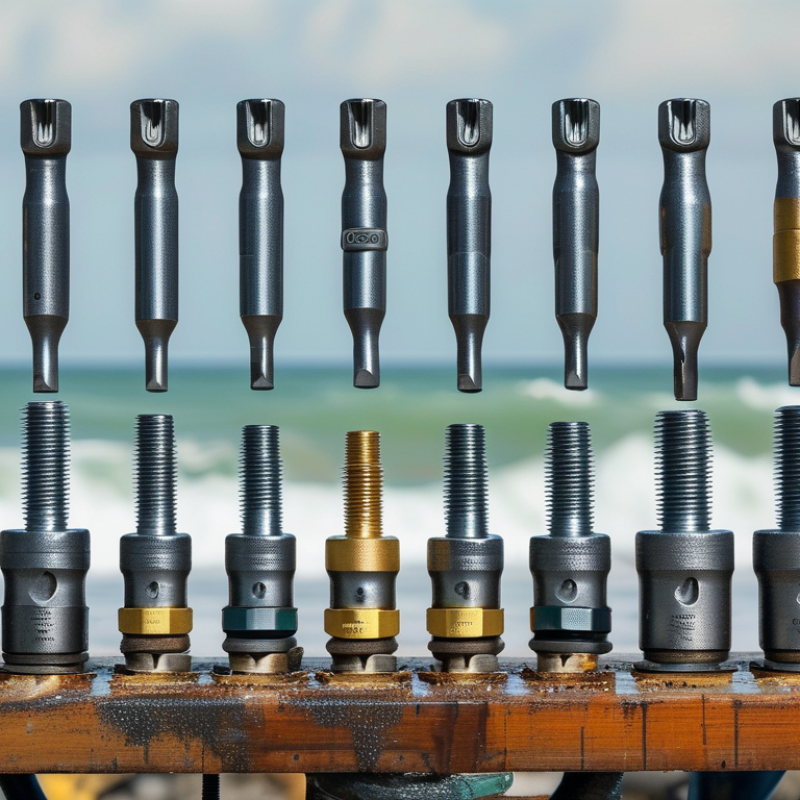
What Is a Lifting Socket and How Does It Work?
A lifting socket is a load-bearing insert installed in concrete or steel structures. It creates a secure connection point for lifting hardware. In precast concrete, the socket is usually positioned before casting. Reinforcing bars or an anchor plate transfer the load into the surrounding material.
During lifting, a compatible bolt, ring, or lifting clutch engages the socket. The socket then carries tension, shear, or both. The surrounding concrete must resist cracking and pull-out. Its performance depends on embedment depth, concrete strength, edge distance, and reinforcement placement. A small component can hold a large load. Precision matters.
For global buyers comparing seven lifting socket options, check the working load limit, thread size, material, corrosion protection, and installation method. Cast-in sockets suit repeated factory production. Recessed sockets leave a cleaner surface. Swivel types can reduce side loading when the sling angle changes. Threaded versions may help with temporary lifting points, but only when the bolt fully engages.
Never judge capacity by appearance alone. Site inspections often find misplaced sockets, damaged threads, or concrete poured below the specified strength. That is a practical warning. Product documents should state test conditions, allowable angles, and inspection requirements. Regional standards may also differ, so a qualified lifting engineer should verify the selection before use. Mistakes are possible, especially when translation or metric conversions are unclear.
| Option | How It Works | Compatible Wire Rope | Best Use | Installation Method | Main Advantages | Key Limitations | Relevant Reference or Selection Basis |
|---|---|---|---|---|---|---|---|
| 1. Open Spelter Socket | The rope is inserted into an open socket basket and secured with a poured metal or resin termination. The socket transfers rope tension into the socket body through the embedded rope wires. | Stranded steel wire rope, including many rotation-resistant and compacted constructions when approved for the specific socketing method. | Permanent or semi-permanent crane, offshore, mining, and heavy-lift terminations where high efficiency is required. | Socketing compound is poured around the broomed rope end. Installation requires trained personnel, controlled preparation, and curing or cooling time. | High termination efficiency; suitable for large rope diameters; open design allows visual access to the rope basket. | Installation quality strongly affects capacity. Resin or metal compatibility, curing, and temperature limits must be checked. | Selection should follow the socket manufacturer’s design data and recognized socketing requirements such as EN 13411-4. WLL is not determined by socket size alone. |
| 2. Closed Spelter Socket | A closed basket encloses the rope termination and provides a compact eye or pin connection. The poured compound locks the broomed rope inside the socket. | Stranded steel wire rope selected for poured-socket termination. | Heavy lifting systems requiring a compact, enclosed connection and protection around the socket basket. | Requires rope brooming, compound pouring, inspection, and full curing or cooling before loading. | Compact geometry; protected termination; suitable for high-load engineered assemblies. | The enclosed basket makes some visual inspection more difficult. Replacement and field installation may require more time and equipment. | Use certified socketing procedures and verify pin diameter, eye dimensions, rope construction, and proof-load requirements before purchase. |
| 3. Open Swage Socket | The rope is inserted into the socket and the socket is mechanically pressed around it with a controlled swaging process. The resulting metal-to-rope grip transfers the applied load. | Wire rope constructions specifically approved for mechanical swaging; compatibility depends on rope diameter, material, and socket design. | Factory-made wire-rope slings, crane ropes, marine equipment, and applications needing a clean, repeatable termination. | Installed with dedicated hydraulic or mechanical swaging equipment using specified dies and pressing sequences. | Consistent production quality; no poured compound; relatively clean and compact finished termination. | Usually unsuitable for field installation without the correct swaging press and dies. Incorrect reduction can cause slippage or rope damage. | Follow the socket maker’s swage-diameter measurements, press settings, and inspection criteria. Capacity must be verified for the exact rope and socket combination. |
| 4. Closed Swage Socket | A mechanically swaged socket with an enclosed basket and finished eye or pin connection. The swaged metal body grips the prepared rope end. | Approved steel wire rope constructions that can be mechanically swaged into the closed socket design. | Permanent lifting assemblies, compact reeving systems, and installations where the rope end needs a protected closed profile. | Factory or workshop swaging with controlled tooling, dimensional checks, and proof testing where specified. | Compact connection; repeatable dimensions; no resin curing period; good protection around the termination. | Requires specialized equipment and accurate process control. Closed geometry can reduce access for inspection. | Confirm the required swage length, final diameter, pin size, rope grade, and termination efficiency using approved technical data. |
| 5. Wedge Socket | The live rope end passes around a removable wedge inside the socket body. Load on the standing part pulls the wedge tighter, creating a self-gripping termination. | Many common stranded steel wire ropes, subject to the socket design and the rope manufacturer’s compatibility limits. | Crane reeving, construction hoists, tower cranes, and applications where the rope must be installed or replaced on site. | The rope is reeved around the wedge and secured according to the approved installation method. The dead end must be arranged and secured correctly. | Fast installation; reusable body; convenient rope replacement; practical for field maintenance. | Incorrect dead-end securing, wrong rope direction, or insufficient rope tail can cause failure. It is not suitable for every rotation-resistant rope. | Use the correct wedge for the socket body and follow requirements such as EN 13411-7 where applicable. Never use the dead end as the live load path. |
| 6. Self-Locking Wedge Socket | An enhanced wedge arrangement uses the applied rope load to increase gripping force while retaining the installation benefits of a wedge socket. | Approved stranded steel wire ropes listed for the specific self-locking socket design. | Cranes and lifting equipment that need a secure, serviceable termination with reduced risk of wedge movement during normal loading. | Installed by correctly seating the rope and wedge, applying an initial load, and checking the dead end and seating condition. | Quick field installation; easy rope replacement; positive gripping action when correctly matched and installed. | The term “self-locking” does not remove the need for correct assembly, inspection, and dead-end securing. Rope compatibility remains critical. | Verify the applicable product standard, rope type, minimum tail length, proof-load procedure, and permitted lifting direction before use. |
| 7. Adjustable or Detachable Lifting Socket Assembly | A socket or socket-based termination is combined with a detachable pin, shackle interface, or adjustable connection so the lifting assembly can be changed or repositioned. | Wire rope sizes and constructions approved for the complete assembly, not merely for the socket body. | Modular lifting frames, temporary heavy lifts, maintenance work, and systems requiring frequent assembly or replacement. | Connection is made with an engineered pin, shackle, or locking component. Assembly must be secured against unintended release. | Flexible configuration; easier transport and maintenance; can reduce replacement time for modular equipment. | More connection components create additional inspection points. Adjustment must not reduce the required load path, clearance, or locking security. | Assess the complete assembly under the applicable lifting-equipment rules, including WLL, pin shear, bearing, fatigue, alignment, and proof-test requirements. |