 skip to Main Content

10 Best Electric Valves for Global Buyers?
Choosing electric valves is not a simple matter of comparing prices. A valve may look perfect on a product page, yet fail under corrosive media, frequent cycling, or unstable voltage. Grand View Research estimates that the global industrial valves market reached approximately US$78.7 billion in 2023, with continued growth expected through 2030. This expansion reflects rising demand from water treatment, energy, chemical processing, food production, and automated manufacturing.
Energy performance also matters. The International Energy Agency reports that industry represents about 37% of global final energy consumption. Electric actuation can support precise control, remote monitoring, and reduced compressed-air dependence. However, efficiency is not automatic. Poor sizing, unsuitable seals, slow response times, and weak ingress protection can create expensive problems. Small details matter.
As control-valve specialist Les Driskell observes, “A valve is a final control element, not merely a pipe accessory.” That principle guides this review of the 10 Best Electric Valves for Global Buyers. Each option should be judged by more than brand recognition. Torque, flow rate, duty cycle, IP rating, voltage compatibility, actuator feedback, installation standards, and after-sales support all deserve attention. ISO 5211 mounting compatibility and relevant IEC requirements can simplify international procurement, but they do not replace application testing. Buyers should also check regional certification and spare-part availability. Some comparisons remain imperfect because manufacturers publish different test conditions. That limitation deserves honesty. The strongest choice is not always the most advanced model. It is the electric valves solution that performs reliably in the buyer’s actual system.
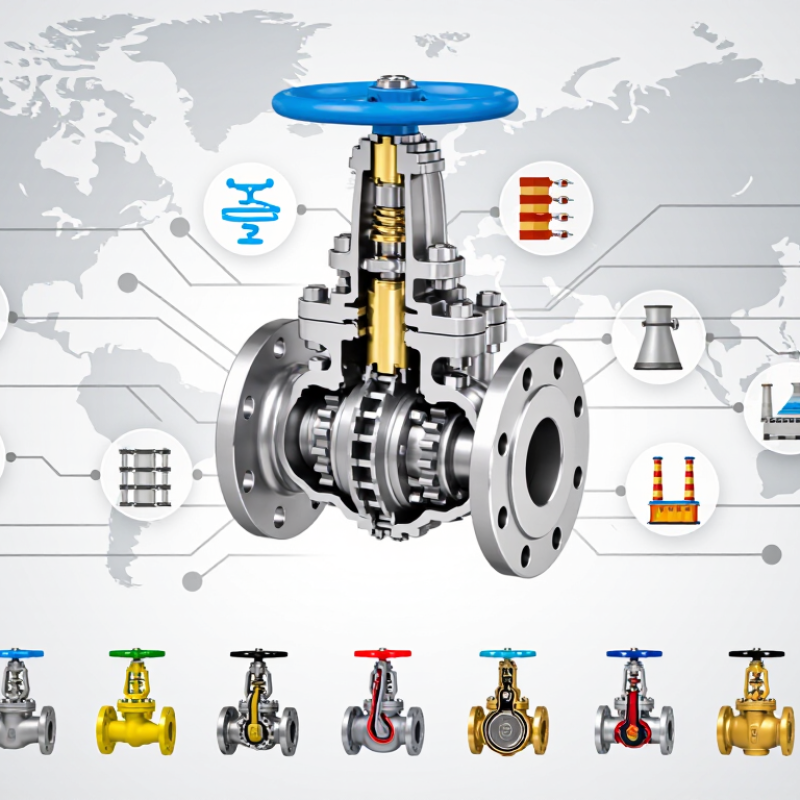
What Are Electric Valves and How Do They Work?
Electric valves are flow-control devices operated by an electric motor or solenoid. They open, close, or regulate passages for water, air, steam, oil, and other approved fluids. A controller sends a signal, and the actuator converts electrical energy into movement. That movement turns a stem or lifts a plunger. Simple in principle. Selection is not.
An electric actuator usually receives a two-position, modulating, or proportional command. In a shutoff valve, the motor drives the stem until a limit switch detects full travel. In a regulating valve, feedback helps match the opening to pressure, temperature, or flow requirements. A manual override can be valuable during power loss. It may also expose a design weakness if operators depend on it too often.
During specification, verify voltage, signal type, torque, pressure rating, temperature range, connection size, and enclosure protection. A valve sized only by pipe diameter can respond poorly. For example, a valve installed on a 25-millimeter water line may still need different trim for corrosive fluid or frequent cycling. Check fluid compatibility charts. They are easy to overlook.
Installation affects service life. Keep wiring sealed, support heavy assemblies, and follow the indicated flow direction. After installation, test open and closed positions under real operating conditions. Listen for grinding, inspect for leakage, and confirm the actuator stops correctly. In practice, many failures begin with incorrect voltage or neglected maintenance, not with the valve itself.
10 Best Electric Valves for Global Buyers? - What Are Electric Valves and How Do They Work?
Electric valves use an electrical signal to open, close, or regulate fluid flow. A solenoid coil provides rapid on/off movement, while an electric motor or actuator turns a valve stem, ball, disc, or plug to control flow. The specifications below are typical industry ranges for general selection and can vary by material, seal, connection standard, actuator, and service conditions.
| Rank | Electric Valve Type | How It Works | Typical Size Range | Typical Pressure Range | Typical Temperature Range | Flow Control | Typical Actuation | Best For | Main Advantages | Important Limitations |
|---|---|---|---|---|---|---|---|---|---|---|
| 1 | Electric Ball Valve | An electric actuator rotates a quarter-turn ball with a drilled passage to start, stop, or divert flow. | DN8–DN100 1/4–4 in |
Up to approximately 40 bar, depending on construction | Approximately −20°C to 180°C | Excellent shutoff; suitable for basic two-way or three-way control | Quarter-turn electric actuator | Water, air, fuel, chemical lines, and general industrial isolation | Low pressure loss, compact design, reliable shutoff, and relatively fast operation | Standard models are not ideal for precise throttling; actuator duty cycle must be checked |
| 2 | Electric Butterfly Valve | An electric actuator rotates a disc positioned inside the pipe to regulate or isolate flow. | DN50–DN1200 2–48 in |
Approximately PN6–PN25 | Approximately −20°C to 200°C, depending on seat material | Good isolation and moderate throttling capability | Quarter-turn electric actuator | Large-diameter water, HVAC, fire protection, and process pipelines | Lightweight, economical for large pipe sizes, and requires less installation space | Disc remains in the flow path; performance depends strongly on seat and disc materials |
| 3 | Electric Globe Valve | An electric linear actuator moves a plug against a seat to vary the opening area. | DN15–DN300 1/2–12 in |
Approximately 10–250 bar | Approximately −29°C to 400°C, depending on design | Very good throttling and flow regulation | Linear electric actuator | Steam, heating systems, process control, and applications requiring accurate modulation | Good control accuracy, stable regulation, and broad pressure-temperature availability | Higher pressure drop, larger size, and higher cost than simple isolation valves |
| 4 | Electric Gate Valve | An electric actuator raises or lowers a gate perpendicular to the flow path. | DN50–DN1200 2–48 in |
Approximately PN10–PN40 | Approximately −29°C to 425°C, depending on materials | Primarily full open or full closed | Multi-turn electric actuator | Pipeline isolation, water distribution, oil and gas, and high-temperature services | Low pressure loss when fully open and suitable for large pipelines | Slow operation; not recommended for continuous throttling because of seat and gate damage |
| 5 | Electric Solenoid Valve | An energized coil creates a magnetic field that moves a plunger to open or close an orifice. | DN2–DN50 1/16–2 in |
Approximately 0.5–16 bar for common general-purpose models | Approximately −10°C to 120°C | Fast on/off control | Direct-acting or pilot-operated solenoid | Compressed air, water, dispensing equipment, laboratory systems, and automation | Very fast response, compact size, simple wiring, and relatively low purchase cost | Many models require minimum differential pressure; continuous energization can create heat |
| 6 | Electric Diaphragm Valve | An electric actuator moves a diaphragm against a weir or seat without placing a stem in the fluid stream. | DN8–DN100 1/4–4 in |
Approximately 0–10 bar | Approximately −10°C to 150°C, depending on diaphragm material | Good isolation and moderate regulation | Motorized linear or quarter-turn actuator | Corrosive, abrasive, hygienic, and contamination-sensitive fluids | Good fluid isolation, minimal dead space, and no packing contamination in many designs | Diaphragm wear limits service life; pressure and temperature ratings are material-dependent |
| 7 | Electric Pinch Valve | An electric actuator compresses a flexible sleeve to stop or regulate the flow of fluid and solids. | DN25–DN600 1–24 in |
Approximately 0–16 bar | Approximately −20°C to 150°C, depending on sleeve material | Good shutoff and suitable for abrasive slurry control | Motorized linear or mechanical actuator | Mining slurry, wastewater, powders, granules, and fluids containing suspended solids | No obstruction in the open position, excellent abrasion resistance, and simple wetted construction | Sleeve replacement is a normal maintenance item; unsuitable sleeve selection can cause rapid wear |
| 8 | Electric Control Valve | An electric actuator positions a plug, stem, or disc according to a control signal such as 4–20 mA or 0–10 V. | DN15–DN600 1/2–24 in |
Approximately 10–100 bar, depending on trim and size | Approximately −40°C to 400°C, depending on materials | High-precision continuous modulation | Modulating linear or rotary actuator | Temperature, pressure, level, and flow control in automated process systems | Accurate positioning, feedback capability, and integration with PLC or building-management systems | Requires correct sizing, commissioning, and control-loop tuning; generally costs more than on/off valves |
| 9 | Electric Mixing Valve | An electric actuator rotates an internal plug or disc to mix two inlet streams or direct flow between outlets. | DN15–DN150 1/2–6 in |
Approximately PN6–PN16 | Approximately 0°C to 120°C for common hydronic models | Three-way mixing, diverting, or temperature regulation | Quarter-turn or rotary modulating actuator | Heating, cooling, radiant systems, domestic hot-water control, and process blending | Supports automatic temperature control and can reduce the need for multiple separate valves | Correct port orientation and flow-direction installation are essential for proper performance |
| 10 | Electric Proportional Needle Valve | A motor-driven fine stem moves gradually within a small orifice to provide precise flow adjustment. | DN3–DN50 1/8–2 in |
Approximately 0–100 bar, depending on orifice and fluid | Approximately −20°C to 180°C | Fine, low-flow proportional control | Stepper-motor or servo actuator | Gas dosing, laboratory instruments, calibration equipment, and low-flow process control | Fine resolution, repeatable positioning, and suitability for automated dosing | Limited flow capacity; particles can damage the seat or interfere with precise movement |
Note: Pressure, temperature, size, electrical protection, connection standards, and control-signal requirements must be verified against the final valve datasheet before purchase or installation.
Related Posts
-
Why Understanding Hydraulic Parts is Essential for Your Machinery Efficiency
-
Why Hydraulic Flow Control Valves Are Essential for Optimal Machinery Performance
-
Exploring the Future of Control Valves: Innovations and Trends Driving Efficiency in Industry
-

Top 2025 Trends in Directional Control Valves You Need to Know
-

7 Best Pressure Reducing Valves You Should Consider for Optimal Performance
-
How to Choose the Right Hydraulic Solenoid Valves for Your System?