skip to Main Content
Choosing packaging for international trade involves more than finding a low unit price. Global buyers also assess material sourcing, factory consistency, food-contact suitability, and shipping performance. An Eco Friendly Box can reduce virgin fiber use, but its real impact depends on production and disposal. That detail matters. This guide introduces ten suppliers serving different global purchasing needs. We focus on practical evidence, not attractive sustainability language alone.
Our review considers recycled paper content, FSC certification where applicable, water-based inks, and responsible adhesives. We also examine minimum order quantities, prototype services, print accuracy, lead times, and export communication. A supplier may offer compostable packaging, yet local facilities may not accept it. Claims require context. Buyers should request current certificates, material specifications, factory photographs, and pre-production samples. These checks reveal whether a supplier can maintain quality across repeated orders. They also expose gaps that polished websites may hide.
The selected companies serve different needs, from small custom orders to high-volume retail packaging. Their strengths are not identical. Some compete on design flexibility, while others provide stronger capacity or regional delivery options. We avoid treating sustainability as a marketing slogan. Instead, we connect each supplier’s promises with practical purchasing questions and measurable evidence. There is no universal winner. A careful decision balances environmental goals, product protection, budget, and destination requirements. The result is useful guidance, though supplier data can change and should be verified before contracting.
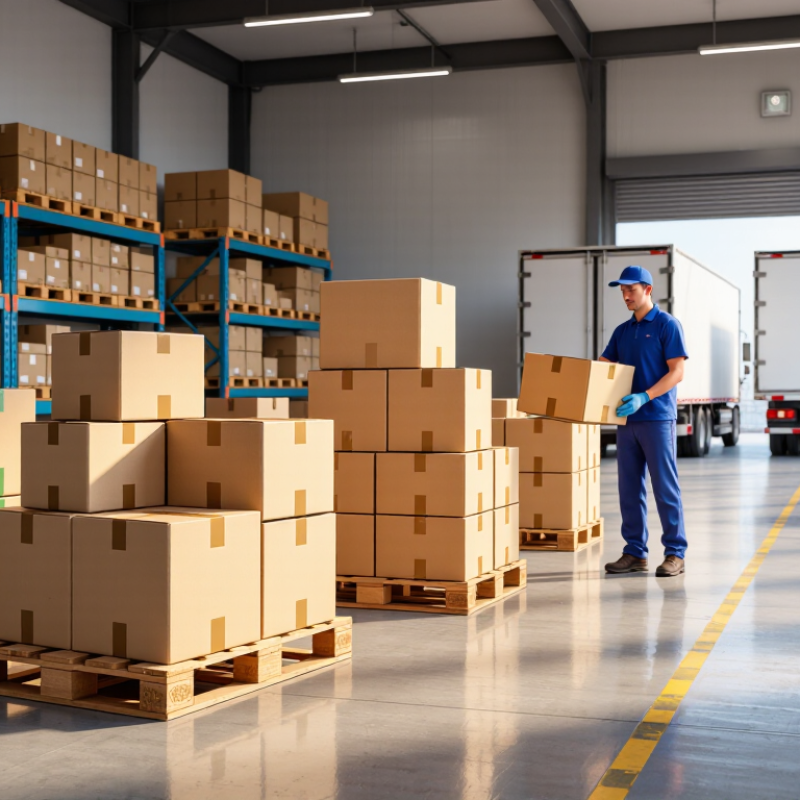
What Makes an Eco-Friendly Box Supplier Suitable for Global Buyers
An eco-friendly box supplier must offer more than recycled paper. UNEP’s Global Waste Management Outlook 2024 projects municipal waste will rise from 2.3 billion tonnes in 2023 to 3.8 billion tonnes by 2050. Packaging choices matter, but disposal systems differ sharply between countries. A suitable supplier should explain the box’s fiber content, coatings, inks, and end-of-life options. Clear documentation matters. Vague green claims do not.
Material transparency is a practical test. Buyers should request recycled-content percentages, responsible-forestry certificates, and chain-of-custody records. They should also ask whether adhesives and coatings affect recycling. McKinsey’s 2023 global packaging research reported that 60% to 70% of consumers would pay more for sustainable packaging. Still, willingness does not excuse weak performance. A box that collapses in humid transit creates waste, returns, and extra freight.
Performance testing is essential. Reliable suppliers provide compression, drop, moisture, and dimensional reports for export conditions. They should optimize flat-pack size, pallet loading, and shipping weight. Those details reduce emissions and landed costs. International buyers also need consistent production, traceable batches, accurate customs documents, and realistic lead times. No supplier is perfectly green. I would treat compostable claims carefully, because many require industrial facilities that local buyers cannot access. The honest supplier admits these limits and proposes a workable material choice.
The chart presents a practical procurement scorecard for comparing eco-friendly box suppliers. The criteria reflect widely used global packaging requirements, including recyclable fiber packaging, responsible forestry certification, environmental management systems, supply-chain traceability, and international logistics capability. The percentages are suggested evaluation weights rather than ratings for any specific company.
10 Best Eco Friendly Box Suppliers for Global Buyers
Top Ten Eco-Friendly Box Suppliers and Their Key Strengths
The recycled paper specialist offers strong post-consumer content and reliable print quality. The molded fiber supplier uses agricultural waste for protective inserts and sturdy trays. The corrugated box manufacturer provides efficient stacking for warehouse shipments. The kraft paper producer supports natural finishes and easy recycling. The water-based ink supplier helps create clearer graphics without solvent-heavy printing. The compostable packaging maker serves buyers seeking certified fiber materials. The lightweight box supplier reduces shipping weight while maintaining compression strength. The custom die-cut producer handles unusual product shapes and precise internal fit. The small-batch workshop supports testing, seasonal packaging, and lower minimum orders. The large-scale export supplier offers stable production schedules and container-ready packing.
Material evidence matters more than attractive claims. Buyers should request recycled-content percentages, fiber certifications, ink details, and recent test reports. A sample box should survive stacking, humidity, and a short drop test. Ask for production photos, factory addresses, and documented quality procedures. These checks reveal whether a supplier’s sustainability message matches its daily operations.
No supplier is perfect. A recycled box may weaken in damp storage, while a compostable coating may cost more. I have seen packaging choices fail because buyers tested appearance but ignored transport conditions. A dependable supplier explains those trade-offs openly. Global buyers should compare lead times, communication speed, order flexibility, and end-of-life instructions before signing a purchase agreement.
Sustainable packaging suppliers now offer more than ordinary corrugated boxes. Global buyers can choose recycled kraft board, post-consumer fiber, molded pulp, and agricultural-waste paper. These materials reduce virgin fiber use, but performance still matters. A box that collapses during humid shipping creates more waste than it prevents.
Experienced suppliers usually provide several packaging options for different products. Corrugated boxes can include recycled liners, water-based inks, and paper tape. Folding cartons may use lightweight board, soy-based inks, and plastic-free coatings. Molded pulp inserts protect glass jars, electronics, and cosmetics without foam. Some suppliers also produce reusable fabric wraps or returnable boxes for repeated delivery cycles.
Ask for clear evidence, not attractive claims. Request fiber percentages, coating details, product testing, and certification records. Moisture resistance should be tested under realistic warehouse conditions. I have found that “compostable” packaging can confuse buyers when local facilities cannot process it. That label needs careful review. Suppliers should also explain minimum order quantities, recycled content consistency, and how they manage color differences between batches.
Design affects sustainability as much as material choice. Right-sized boxes reduce empty space, shipping volume, and protective filler. However, thinner board is not always better. A packaging engineer should check compression strength, drop performance, and stacking requirements. Buyers may compare samples before placing large orders, especially when packaging crosses climates, ports, and long distribution routes.
| Supplier Profile | Primary Market | Main Sustainable Materials | Packaging Formats | Typical Recycled or Renewable Content | Common Certifications or Documentation | Customization Options | Typical MOQ Range |
|---|---|---|---|---|---|---|---|
| Supplier Profile 01 | East Asia | Recycled corrugated fiberboard, kraft paper, molded paper pulp | Shipping boxes, mailer boxes, folding cartons, protective inserts | Recycled fiber content commonly ranges from 30% to 100%, depending on board grade | FSC chain-of-custody documentation, recycled-content declarations, material test reports | Structure, size, printing, inserts, and surface finish | 500–5,000 units |
| Supplier Profile 02 | South Asia | Recycled kraft paper, agricultural-fiber paper, corrugated board | Retail cartons, subscription boxes, gift boxes, paper bags | Paper-based products may contain 50% to 100% recycled or agricultural fibers | FSC documentation, recycled-content evidence, packaging safety test reports | Die-cutting, offset or flexographic printing, embossing, and inserts | 1,000–10,000 units |
| Supplier Profile 03 | Europe | Recycled paperboard, virgin fiber from managed forests, molded fiber | Food cartons, e-commerce mailers, cosmetic boxes, display packaging | Common board specifications include 60% to 100% recycled fiber, subject to product requirements | FSC or PEFC documentation, EU packaging compliance files, recyclability statements | Water-based inks, low-plastic designs, custom coatings, and structural engineering | 1,000–25,000 units |
| Supplier Profile 04 | North America | Recycled corrugated board, post-consumer recycled paper, molded pulp | Shipping cartons, subscription packaging, retail-ready cases, protective packaging | Corrugated board commonly contains a substantial recycled portion, often above 50% | FSC certification options, recycled-content certificates, ISTA-style transit testing | Digital printing, flexographic printing, box compression testing, and inserts | 250–5,000 units |
| Supplier Profile 05 | Southeast Asia | Bamboo fiber paper, recycled kraft, molded pulp, agricultural residue fiber | Takeaway boxes, retail packaging, mailers, trays, and protective components | Renewable-fiber content may range from 20% to 100%, depending on the material blend | Material composition reports, food-contact documentation where applicable, fiber-origin records | Natural textures, water-based printing, custom die-cuts, and plastic-free formats | 1,000–20,000 units |
| Supplier Profile 06 | Latin America | Recycled kraft board, sugarcane-fiber board, recycled corrugated paper | Produce boxes, food-service cartons, retail boxes, and transport packaging | Fiber content may include 30% to 100% recycled or agricultural residue material | Forest-management documentation, recycled-content declarations, food-packaging compliance files | Flexographic printing, moisture-resistant paper treatments, and custom dimensions | 1,000–15,000 units |
| Supplier Profile 07 | Oceania | Recycled corrugated fiberboard, recycled paper, molded cellulose fiber | E-commerce cartons, wine shippers, mailers, retail cartons, and inserts | Many standard grades use 70% or more recycled fiber, with higher levels available | FSC documentation, recycled-content declarations, transport-performance testing | Water-based inks, recyclable closures, custom cushioning, and small-batch printing | 500–10,000 units |
| Supplier Profile 08 | Middle East | Recycled kraft paper, corrugated board, recycled paperboard | Shipping boxes, food cartons, retail packaging, and promotional boxes | Typical recycled content ranges from 30% to 90%, depending on strength and finish requirements | Recycled-content documentation, food-contact declarations where relevant, quality-control reports | Custom sizing, multi-color printing, window-free designs, and paper-based inserts | 1,000–20,000 units |
| Supplier Profile 09 | Eastern Europe | Recycled paperboard, corrugated fiberboard, certified virgin kraft paper | Folding cartons, rigid-style paper boxes, mailers, and shelf-ready packaging | Recycled fiber content commonly ranges from 50% to 100% for suitable product applications | FSC or PEFC documentation, recyclability assessments, packaging compliance records | Precision die-cutting, embossing, foil-free decoration, and water-based coatings | 1,000–30,000 units |
| Supplier Profile 10 | Africa | Recycled kraft paper, locally sourced fiber, corrugated board, molded paper pulp | Retail cartons, agricultural packaging, shipping boxes, and presentation boxes | Available products may contain 30% to 100% recycled or locally sourced renewable fiber | Fiber-source records, recycled-content declarations, product specifications, and test reports | Simple structural customization, one- to four-color printing, and paper-based inserts | 500–10,000 units |
Global buyers need more than attractive packaging samples. Reliable eco-friendly box suppliers should show clear shipping procedures, current certifications, and practical customization support. Ask for factory location, production lead time, carton dimensions, and pallet plans before placing an order. Small details matter.
International shipping can change the real cost quickly. Suppliers should provide accurate packing lists, commercial invoices, HS code guidance, and export documents. Confirm whether prices include freight, insurance, duties, or delivery to your warehouse. Moisture-resistant wrapping is essential for long sea shipments. A low freight quote can mislead. Verify the final landed cost in writing.
Certifications deserve careful review. Request documents for recycled content, responsible fiber sourcing, quality management, or compostability claims. Check the certificate holder, material scope, issuing body, and expiration date. A logo alone proves little. For custom boxes, discuss dielines, print colors, inserts, closures, minimum order quantities, and sample approval. Test stacking strength with a physical sample. Digital images cannot reveal weak corners or poor folding. Suppliers with transparent revisions are usually easier to manage, although even experienced teams may overlook a color shift or measurement error. Build extra time into production schedules.
When comparing eco-friendly box suppliers, begin with evidence, not green promises. Request material specifications, recycled content percentages, coating details, and test reports. A reliable supplier should explain whether boxes use recycled fiber, certified virgin fiber, or a blend.
Ask for samples. Check odor, edge strength, print clarity, and performance after light moisture exposure. Small details matter. In warehouse trials, record box dimensions, compression results, and damage rates across several shipments. One sample proves little.
Cost comparison should include the complete delivered price. Add tooling, artwork changes, minimum order quantities, freight, duties, and rejected units. A cheaper box may require thicker filler or fail during stacking. That creates hidden waste.
Ask suppliers to quote identical specifications and shipping terms. Then compare cost per usable box, not cost per printed unit. Payment terms and production lead times also affect cash flow. Written tolerances for size, color, and strength improve reliability. However, some suppliers avoid precise promises. That hesitation deserves attention.
Environmental impact needs measurable boundaries. Request recycled content proof, fiber sourcing documents, production energy data, and waste-handling practices. Check whether adhesives and inks suit your disposal system.
Compostable is not universal. It may require industrial facilities unavailable to customers. Calculate emissions from production and transport, especially for bulky boxes shipped long distances. Certifications can support trust, but verify their scope and expiry date.
Ask what happens when an order is rejected. Honest answers may reveal imperfect processes, yet they are more useful than polished claims.
