Top 10 Benefits of Using Automated Valves in Industrial Applications?
In the dynamic world of industrial applications, the importance of automated valves cannot be overstated. Experts like Dr. Emily Thompson, a renowned figure in fluid control technology, emphasize their efficiency. She states, “Automated valves enhance precision and safety in operations.” This highlights why many industries rely on them for various processes.
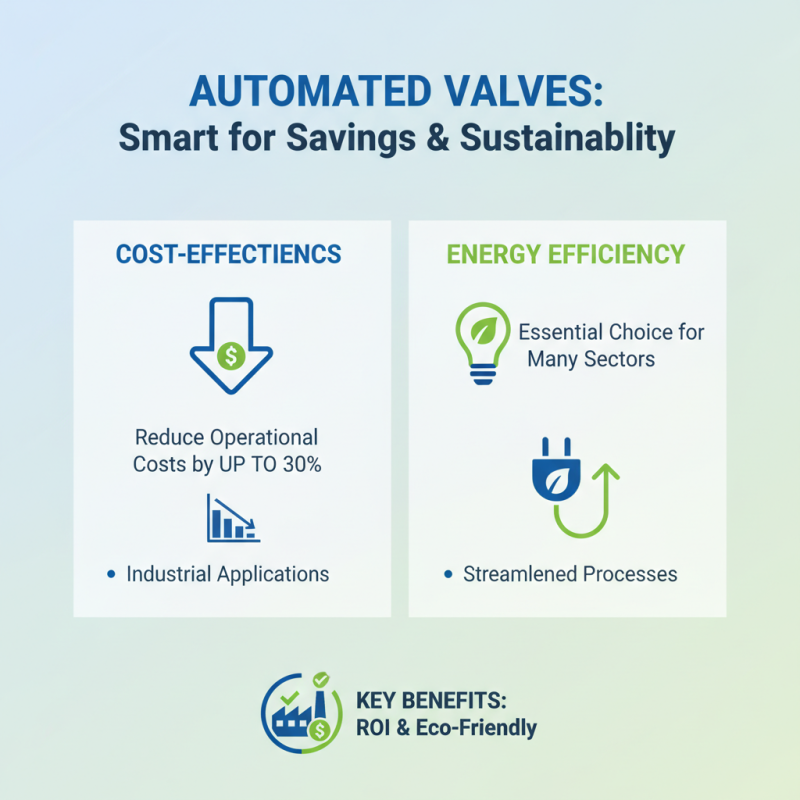
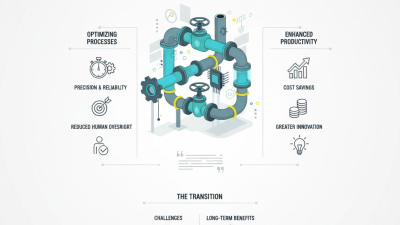
Automated valves offer numerous advantages that can transform operations. Their ability to function without manual intervention increases productivity significantly. By automating flow control, companies minimize human error, leading to safer environments. One example includes reducing leaks in critical systems, which can have dire consequences if not managed properly.
Despite these benefits, some challenges remain. The initial investment can be high. Additionally, there is a learning curve for staff to adapt to new technology. Nevertheless, the long-term gains often outweigh these drawbacks. Overall, adopting automated valves in industrial settings can lead to improved efficiency and safer processes.
Overview of Automated Valves in Industrial Settings
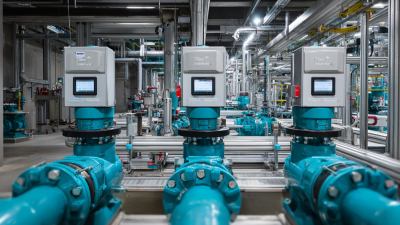
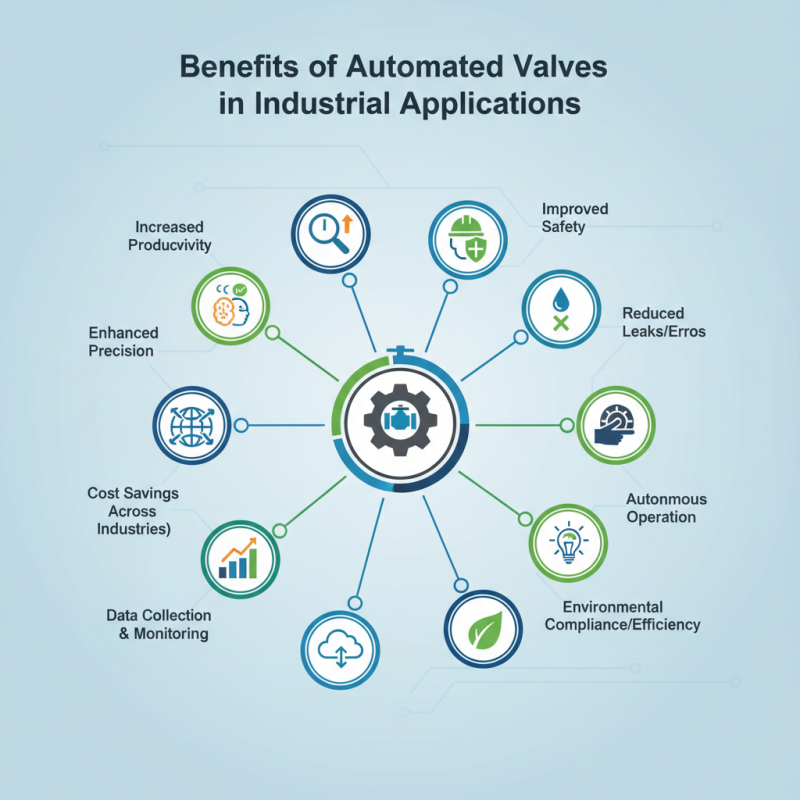
Automated valves play a crucial role in industrial settings. They provide precise control over fluid flow and enhance operational efficiency. These valves reduce the need for manual intervention, leading to quicker responses and fewer errors. Their integration simplifies processes and minimizes human-related risks.
In many facilities, automated valves can operate in harsh environments. They withstand extreme temperatures and pressures, making them reliable in demanding conditions. Regular maintenance is essential, though. Neglect can lead to malfunctions or inefficiencies. Monitoring their performance helps prevent unexpected failures. Proper training is vital for staff to understand their functionalities.
A downside exists. Automated systems can be costly to install initially. This investment may not be feasible for smaller operations. However, the long-term savings in labor and downtime often justify the expense. Education and planning are keys to successful implementation. Automated valves, when used correctly, can greatly enhance productivity in various industries.
Enhanced Process Control through Automation Technology
Automated valves significantly enhance process control in industrial settings. Through automation technology, these valves provide precise and timely responses to changing conditions. This leads to improved efficiency and reduced waste. Industries can achieve higher productivity levels with less manual intervention.
Automated valves also enable real-time data collection. This data allows operators to monitor process variables. Consequently, adjustments can be made instantly to maintain desired conditions. Less downtime translates to higher profits and better resource management. However, implementing these systems may require initial investment and training.
Tip: Regular maintenance checks are vital for automated valve systems. Neglect can lead to failures. Investing time in routine inspections pays off in the long run.
Furthermore, automation may lead to over-reliance on technology. Mistakes can happen if operators do not fully understand the system’s operations. A balance between manual oversight and automated processes is key to success. Adopting a hybrid approach can yield the best outcomes.
Top 10 Benefits of Using Automated Valves in Industrial Applications
| Benefit |
Description |
Impact on Industry |
| Increased Efficiency |
Automation allows for faster response times and continuous operation. |
Improves overall process throughput and productivity. |
| Enhanced Precision |
Accurate control of flow rates and pressures. |
Minimizes errors and improves product quality. |
| Reduced Labor Costs |
Less manpower needed for valve operation and monitoring. |
Allows workforce to focus on higher-value tasks. |
| Improved Safety |
Minimizes human intervention in hazardous environments. |
Reduces risk of accidents and injuries. |
| Remote Monitoring |
Enables control from distant locations through digital interfaces. |
Enhances operational oversight and control flexibility. |
| Data Collection |
Automated systems gather real-time operational data. |
Facilitates analysis for better decision-making. |
| Energy Savings |
Optimizes power usage through precise control. |
Reduces operational costs over time. |
| Reliability |
Less downtime due to fewer mechanical failures. |
Ensures consistent production and service delivery. |
| Scalability |
Easy to expand and integrate into existing systems. |
Supports business growth and adaptation to demand. |
| Customization |
Automated valves can be tailored to specific processes. |
Enhances process optimization and efficiency. |
Improved Safety Standards in Industrial Operations
In industrial operations, safety is paramount. Automated valves enhance safety standards significantly. By minimizing human intervention, these valves reduce the risk of accidents. For instance, they can quickly respond to emergencies, shutting down processes when necessary. This capability prevents potential disasters and protects both workers and equipment.
When implementing automated valves, consider a few key tips. Regular maintenance is crucial. A malfunctioning valve can lead to unsafe conditions. Train staff on emergency protocols. They should know how to act if a valve fails. Get feedback from operators on valve performance. This helps identify areas needing improvement.
Despite the advantages, challenges exist. Not all systems work perfectly together. Some automated valves may not integrate well with older infrastructure. This can create unexpected risks. Always evaluate compatibility before installation. Understand the limitations of each valve type. Continuous education on new technologies is also essential. It ensures that your safety standards keep pace with innovation.
Reduction in Maintenance Requirements and Downtime
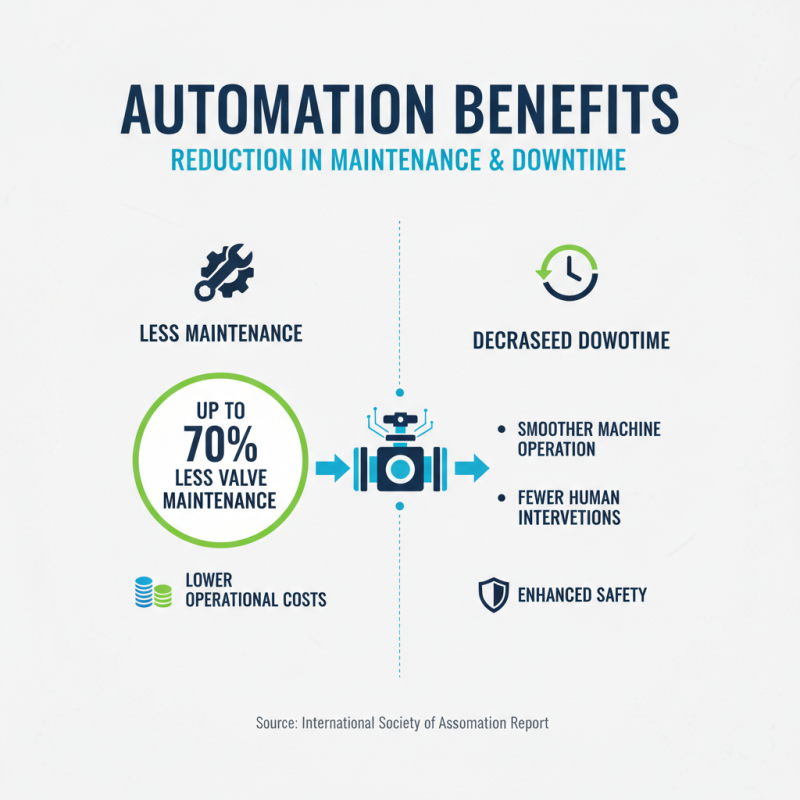
Automated valves significantly reduce maintenance requirements in industrial settings. According to a report by the International Society of Automation, up to 70% of valve maintenance can be minimized through automation. This leads to lower operational costs. When machines run smoothly, downtime decreases. Fewer human interventions are needed, which enhances safety.
Some facilities report a 40% reduction in unexpected failures after switching to automated systems. However, not all automated valves perform equally. In practice, selecting the right valve is crucial. Poor choices can lead to increased maintenance needs. Installation and calibration errors can still occur, requiring technician oversight. Regular monitoring is essential for optimization.
The implementation of automated valves often requires a shift in workforce skills. Training is necessary to ensure staff can handle automated systems effectively. Despite these challenges, the long-term benefits are substantial. More efficient operations drive productivity gains. Facilities can achieve higher throughput rates while using fewer resources. This balance between efficiency and oversight is key to successful automation.
 skip to Main Content