2026 Best Pneumatic Actuator Types for Global Buyers Guide?
In the evolving landscape of automation, the role of the Pneumatic Actuator is vital. According to a recent industry report, the global pneumatic actuator market is projected to reach $8.4 billion by 2026, growing at a CAGR of 5.8%. This growth indicates increased demand in sectors like oil and gas, chemicals, and manufacturing.
Pneumatic actuators are favored for their quick response times and reliability. They convert compressed air energy into mechanical motion, making them suitable for various applications. Despite their advantages, challenges such as energy efficiency and maintenance concerns can arise. Many buyers often underestimate the complexity of these systems.
Understanding the nuances of different pneumatic actuator types is essential for making informed choices. Each type serves distinct functions, with varying benefits and limitations. The decision-making process can be daunting, requiring careful consideration of operational needs and environmental factors. With this guide, we aim to support global buyers in navigating these intricacies.
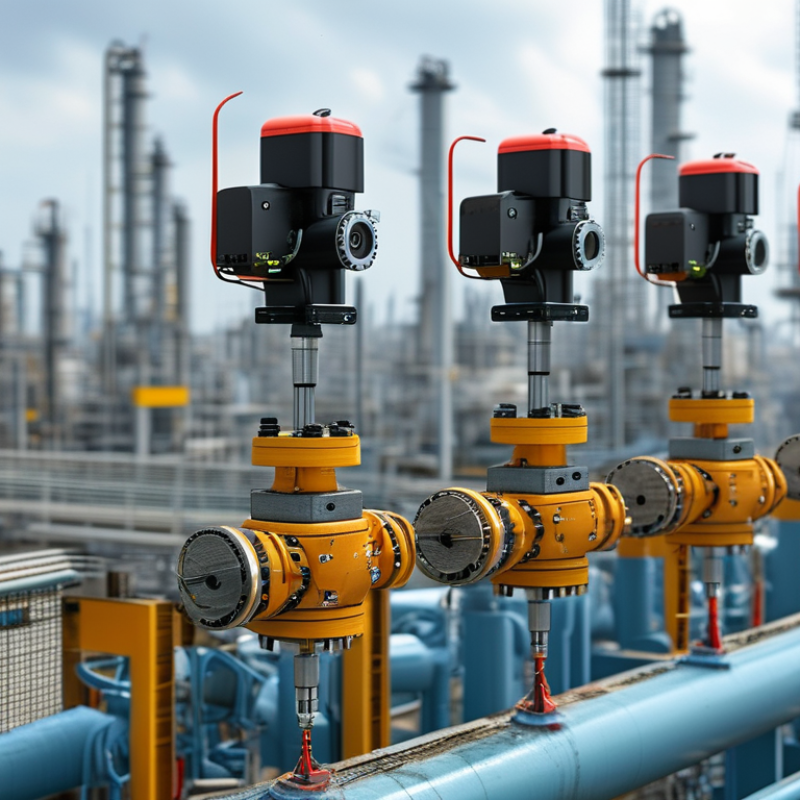
Overview of Pneumatic Actuators: Types and Applications
Pneumatic actuators play a crucial role in various industries, functioning by converting compressed air into mechanical motion. These devices are widely used in automation systems, offering precise control in applications such as valve operation and machinery movement. According to a recent market report, the global pneumatic actuator market is projected to grow significantly, driven by rising demand in oil and gas, food and beverage, and pharmaceutical sectors.
There are several types of pneumatic actuators, including double-acting and spring-return actuators. Double-acting actuators use air pressure to move in both directions, providing reliable performance. In contrast, spring-return actuators automatically return to a fail-safe position when pressure is released. This feature is particularly important in safety-critical applications, as highlighted by industry standards.
Despite their advantages, pneumatic actuators present challenges. For instance, maintaining consistent air pressure can be complex. Furthermore, the environmental impact of compressed air systems requires careful consideration. In some cases, inefficiencies in energy use can lead to increased operational costs. Addressing these issues is essential for companies aiming to optimize performance and sustainability in their operations.
Key Factors to Consider When Choosing Pneumatic Actuators
Choosing the right pneumatic actuator requires careful consideration of several key factors. One critical aspect is the actuator's size and compatibility with your existing systems. It's essential to match the actuator dimensions with the available space in your setup. Look for a design that can fit comfortably, allowing for proper functionality without hindrance.
Another significant factor is the operating pressure required for your application. Different pneumatic actuators operate at varying pressure ranges. Selecting an actuator that meets your pressure requirements ensures optimal performance. You might want to reflect on your current pressure settings. Are they adequate? Many overlook this aspect, leading to inefficiencies.
Additionally, consider the materials used in the actuator's construction. If your environment includes corrosive substances, using a corrosion-resistant material is vital. Materials can affect not only performance but also longevity. Many buyers realize too late that their first choice was inadequate. Investing in the right materials enhances reliability and reduces the need for frequent replacements. Think critically about your needs, and choose wisely.
Comparison of Top Pneumatic Actuator Types for 2026
In 2026, the market for pneumatic actuators continues to evolve. Understanding the main types will help buyers make informed decisions.
The most common types include diaphragm, piston, and rotary actuators. Each has unique features that cater to different applications. Diaphragm actuators are compact and ideal for low-pressure tasks. Piston actuators, known for their force, handle larger loads. Rotary actuators provide efficient linear motion, especially in tight spaces.
Tip: Consider the specific application needs before choosing an actuator type. The right choice impacts efficiency and performance significantly.
Pneumatic actuators can exhibit variations in performance based on their design and materials. Buyers should consider factors like operating pressure and environmental conditions. Sometimes, the cost may reflect quality. However, not all expensive options guarantee reliability.
Tip: Always assess the long-term maintenance needs of the actuator. This ensures greater reliability and minimizes operational disruptions.
Global Market Trends and Innovations in Pneumatic Actuators
The global market for pneumatic actuators is evolving rapidly. Innovations are emerging as companies seek efficient solutions for automation. Modern designs focus on durability and versatility. These innovations boost performance while lowering energy consumption. Manufacturers are integrating smart technologies, enhancing operation control and feedback. This advancement allows for real-time monitoring and adjustment.
Trends show a shift toward compact and lightweight actuators. End-users favor these designs for easier installation and maintenance. The demand for materials that withstand harsh environments is increasing. This need drives research into corrosion-resistant materials and innovative seals. Improved responsiveness in actuator designs is another focal point. It leads to faster operation cycles and more precise control.
A challenge remains in managing costs. While innovations enhance functionality, they can also raise prices. Companies must balance cost and quality. Customers often seek the best value, which isn't always synonymous with the latest technology. As the market grows, ongoing education about these trends will aid buyers in making informed choices. This knowledge is crucial for navigating the complexities of today's pneumatic actuator market.
2026 Market Trends in Pneumatic Actuators
This chart illustrates the projected market share of various types of pneumatic actuators in 2026. Rotary and Linear actuators are expected to dominate the market, while Compact actuators take a smaller share.
Maintenance and Performance Optimization for Pneumatic Actuators
Pneumatic actuators play a crucial role in various industries. Proper maintenance ensures optimal performance and longevity. Regular inspections can detect wear and tear early. Checking for leaks and air pressure is vital. Consider using high-quality filters to prevent debris entry. This simple step can enhance actuator life.
Lubrication is another critical factor. It reduces friction and wear on moving parts. Yet, over-lubrication can cause issues too. Finding the right balance is essential. Periodically analyze the performance data. Unexpected fluctuations may signal deeper problems. Addressing these can save time and costs.
Training operators is essential for efficient use. They should understand the actuator's working principles. Knowledge helps in identifying issues quickly. Encouraging a culture of feedback can reveal maintenance gaps. This collaborative approach improves overall system reliability. Small changes can lead to significant performance gains.
2026 Best Pneumatic Actuator Types for Global Buyers Guide
| Actuator Type | Application | Advantages | Disadvantages | Maintenance Frequency | Optimal Performance Temperature (°C) |
| Double Acting Cylinder | Heavy machinery | Higher torque, reliable | More components, bulky | Monthly | -10 to 60 |
| Spring Return Actuator | Aerospace | Safe, compact design | Limited force, slower | Quarterly | -20 to 70 |
| Rotary Actuator | Automotive | High precision, quick response | Higher cost, complex setup | Biannual | 0 to 50 |
| Pneumatic Bladder Actuator | Food processing | Clean, smooth operation | Size limitation, less force | Monthly | -10 to 40 |
 skip to Main Content
